


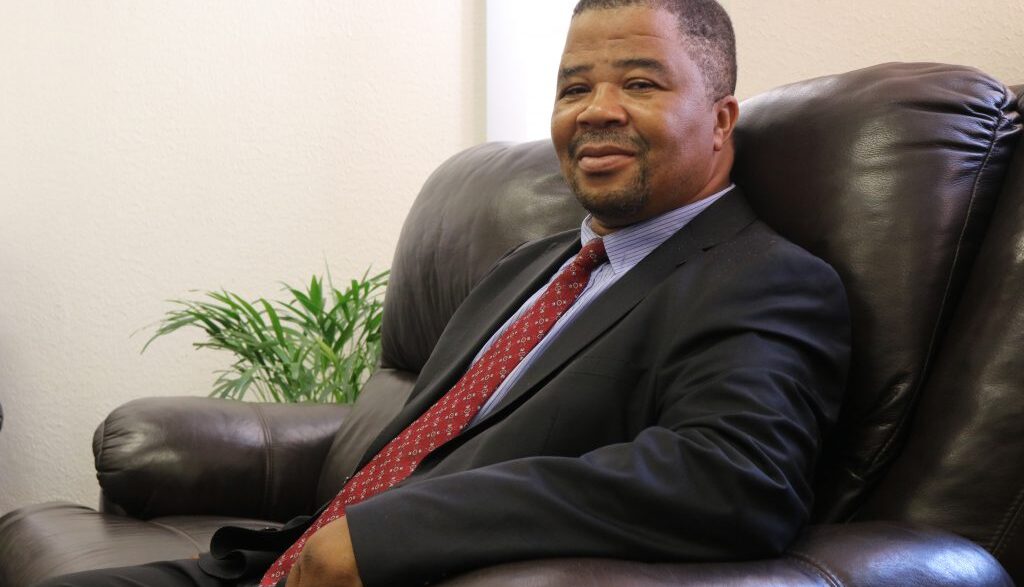
Kwaluseni – The University of Eswatini is taking frantic steps to close the development shortfall through research, the academic institution’s vice chancellor, Professor Justice M. Thwala, said at the inaugural Eswatini National Science Month.
“Our academic staff and students are actively involved in research, addressing critical challenges in climate change, environmental sustainability, food security, water resources management, renewable energy, the public sector, artificial intelligence, digital technologies, and industrial innovation,” he said.
Professor Thwala stated that the university maintains partnerships with government ministries, industry, regional institutions, international organisations, and development partners to ensure that research findings are translated into practical solutions that improve people’s lives and contribute to national development. 
“Science thrives when curiosity is nurtured and innovation is encouraged. Every major scientific discovery begins with a question. Every technological breakthrough began with an idea, and every solution to a social or societal challenge began with something daring to ask, “How can we do this better?” he said, supporting the National Science Month initiative.
UNESWA is a bridge for learners, students, researchers, innovators, policymakers, and industry leaders and creates a platform where they can interact, exchange ideas, and inspire one another, cultivating a culture of scientific inquiry and innovation that is essential for national progress.
The country has held a STEM expo and innovation showcase featuring interactive demonstrations, emerging technologies and artificial intelligence applications. The Ministry of ICT has also launched the Indian Mission Shaktisat, which placed Eswatini among 108 participating girls pursuing a global scientific journey. Professor Thwala says such initiatives provide young people with opportunities to experience science firsthand and appreciate the possibilities that STEM careers can offer.
Professor Thwala said exposure of this nature is critical if the country is to inspire the next generation of scientists, engineers, innovators, entrepreneurs, and technology leaders.
“Your commitment to promoting STEM education, scientific research, innovation, and digital transformation is helping to build a stronger foundation for a prosperous Swati future. I also commend the work of the honourable minister of ICT for her continued support of STEM education and, in particular, for the Liswati girl child. As a university we reaffirm our commitment to supporting the Kingdom of Swaziland’s development agenda through high-quality education,” he said.