

Maseru Bridge – As South African anti-immigrant protests continue, Basotho migrants remain unsure of their safety.
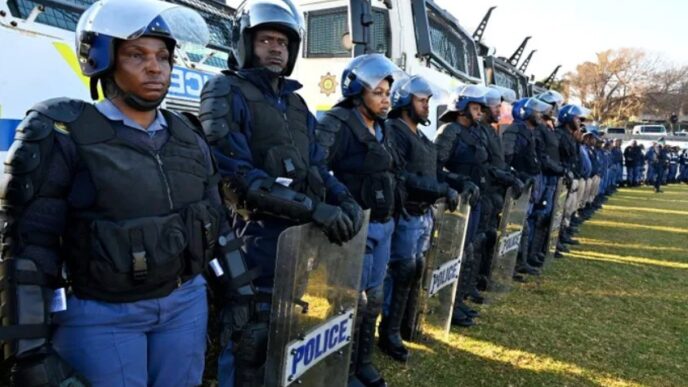
Despite Lesotho’s Ministry of Foreign Affairs and International Relations’ statement on Sunday asking Basotho residents in South Africa to contact their embassy if they felt threatened, the treatment of them by anti-immigrant protesters is unusual.
Lesotho is completely bordered by South Africa, with 14 points of entry. Lesotho’s Ministry of Home Affairs claims that its migration strategy prioritises security, good governance, and compliance with international responsibilities along its border with South Africa. The government offers dual citizenship and various types of permits, such as a 90-day temporary permit, a two-year residency permit, a four-year study permit, and an unlimited permit. 
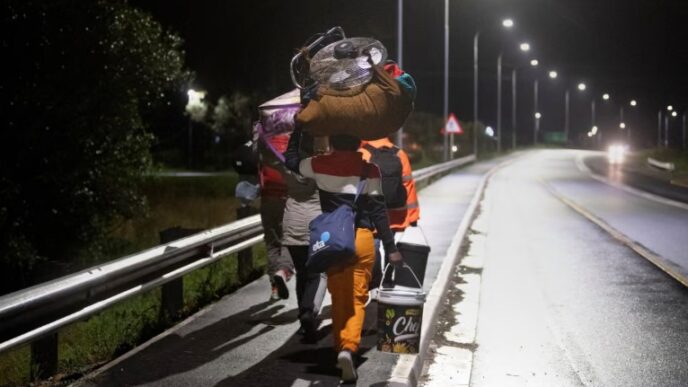
Ahead of the planned marches against unauthorised immigrants, the Lesotho embassy has scheduled at least five buses to carry Basotho from KwaZulu-Natal province who are ready to return home. Countries in the region, including Eswatini, have issued similar announcements and initiated repatriation procedures.
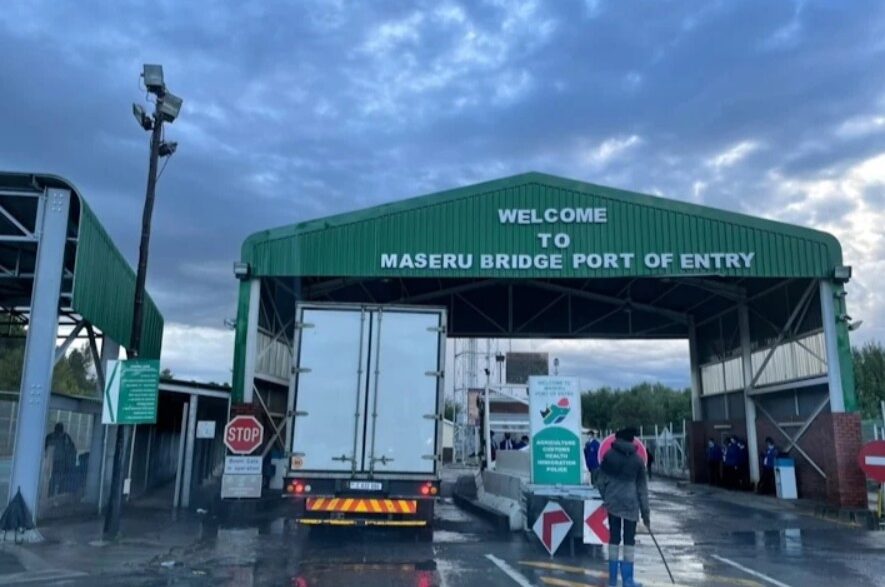
SABC News had been following the situation at the Maseru Bridge earlier on Tuesday, and their correspondent Rapelang Radebe described it as ‘quite a bit of activity’ but said it appeared to be ‘a normal month-end’. He also suggested that the activity could be prompted by school closures in South Africa, resulting in a bit of a frenzied movement.
“But the government of Lesotho has also issued that statement saying those who are feeling unsafe and those who feel like they need to be created should consult the nearest embassy or the closest offices that they can talk to. We have tried to follow up on the buses, but it wasn’t as hectic,” he said when asked if the buses were there.
Buses began arriving overnight and grew gradually this morning, ferrying some people across into Lesotho. Taxi activity was also observed overnight, although there was less truck traffic from South Africa to Lesotho.
“Looking at it this morning, it was quite empty, suggesting that people are taking a bit of caution. The movement into South Africa and into Lesotho is quite restricted, and not much activity is happening at this point,” Radebe said.
The situation was still concerning for some Basotho running tuck shops and vending as the anti-immigrant protests proceeded.
Putting us into perspective, Radebe had this to say, “They are the ones mostly who tend to say they are there in the line of fear when it comes to this protest and marches and are the ones that we’ve seen coming crossing into the country but mostly saying they are going to renew their papers or they are going to make sure that they are well documented.”