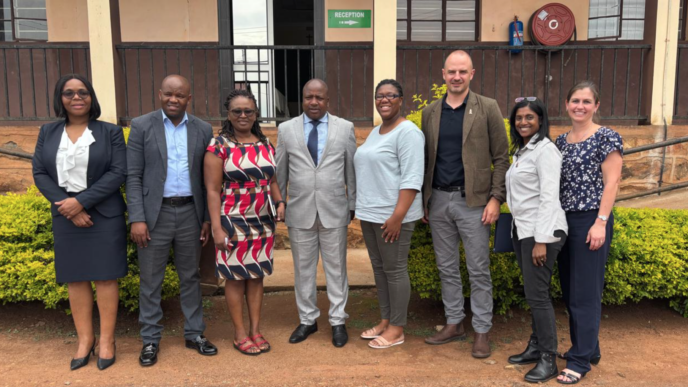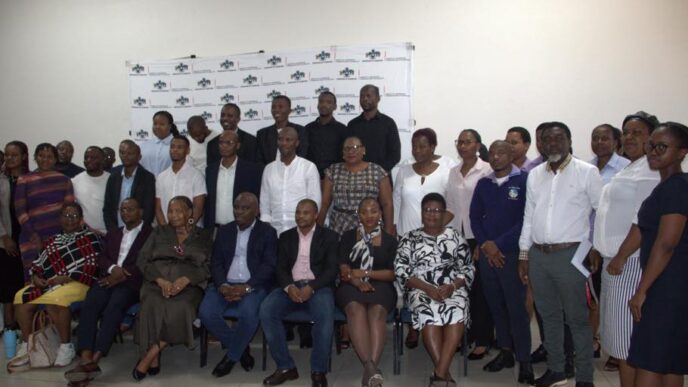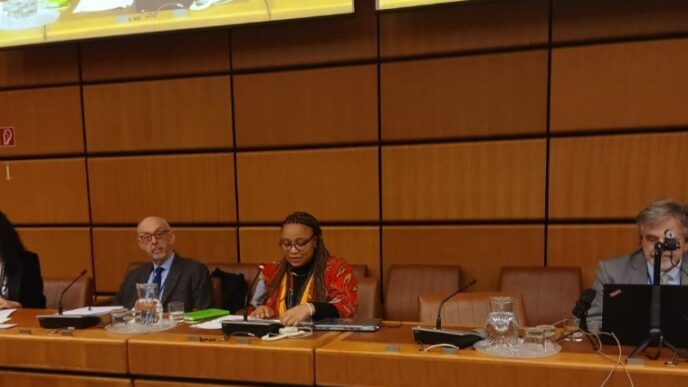



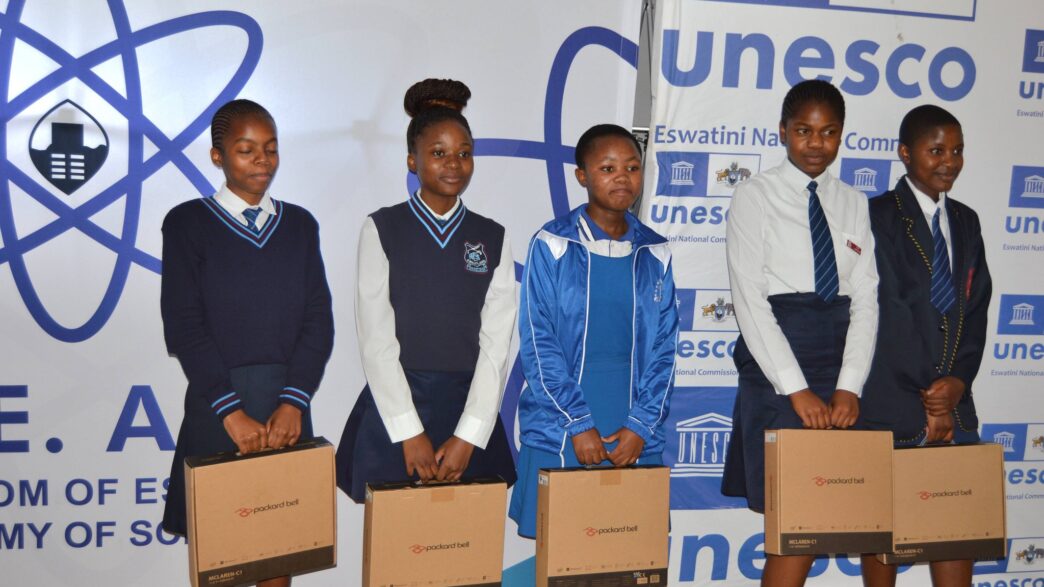
The Eswatini National Commission for UNESCO has rolled out a science and technology initiative in the Shiselweni Region aimed at encouraging more girls to pursue careers in STEM fields.
The programme, carried out in collaboration with the Kingdom of Eswatini Academy of Sciences, is anchored on findings from a study examining challenges faced by girls currently studying STEM subjects as well as those aspiring to enter the fields.
Organisers say the activation is guided by UNESCO values that promote equity and inclusion in science, gender equality, innovation and scientific excellence, while ensuring that no one is left behind. 
The initiative is designed to expose learners to opportunities within science, technology, engineering and mathematics, with a focus on addressing barriers that limit participation among girls.
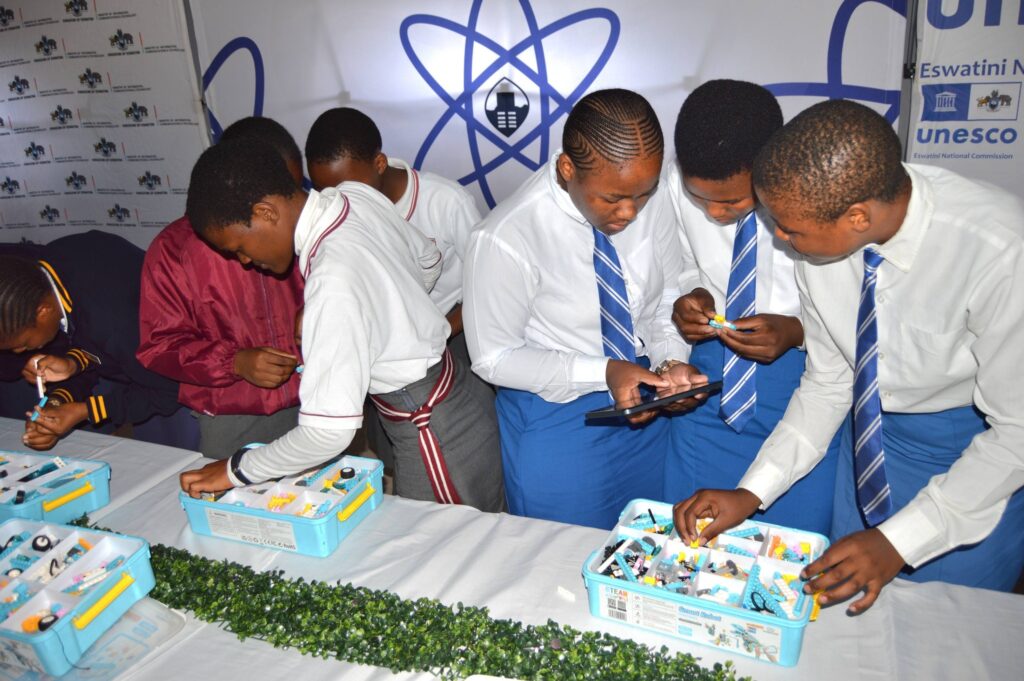
“This initiative serves as a powerful reminder to learners that their potential is limitless that they can become anything they set their minds to. It reinforces a critical truth you cannot aspire to what you have not been exposed to,” the Commission said.
Through the programme, stakeholders aim to expand access, visibility and opportunities for learners, particularly in underserved communities, as part of efforts to build a knowledge driven and sustainable society.
The Commission also acknowledged the role played by the Ministry of Education and Training and the Ministry of Information, Communications and Technology for supporting the rollout of inclusive STEM education initiatives across the country.