

Western Cape, South Africa – Fuel rationing has begun affecting parts of South Africa as supply pressures and rising global tensions push farmers into crisis, with concerns growing over the impact on food prices.
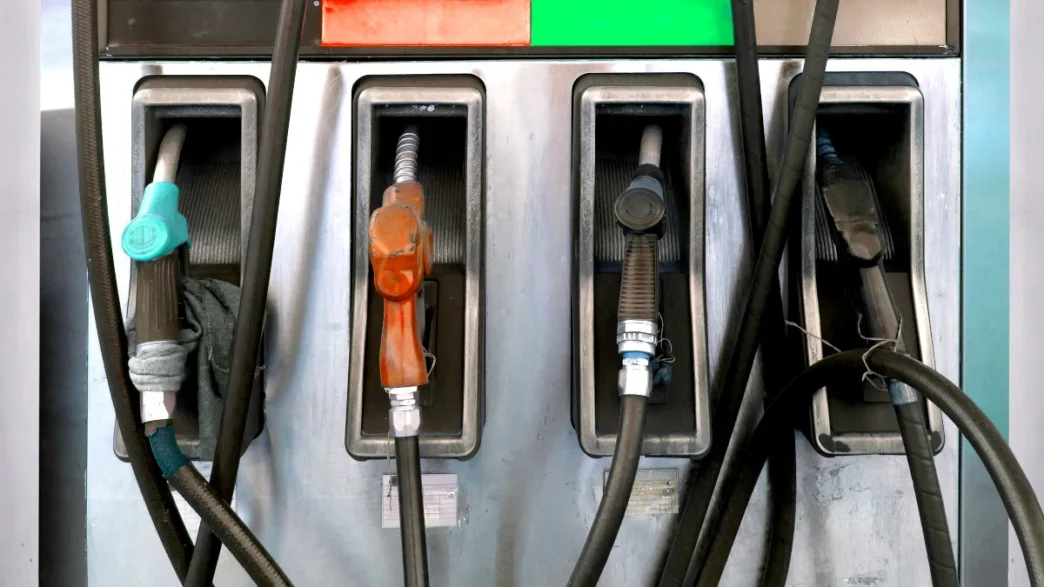
Reports from the Garden Route, Klein Karoo and Hessequa regions indicate that service stations have started limiting diesel purchases, while deliveries to farms are being delayed. The situation comes as motorists brace for a steep fuel price increase expected at the start of April.
The shortages are linked to instability in global energy markets following conflict involving the United States and Israel in Iran, which has triggered uncertainty around supply and pricing. 
Despite this, the Department of Mineral Resources and Energy said last week that fuel supply remains stable in the short term. The Fuels Industry Association of South Africa has also cautioned against panic buying, urging the public not to stockpile petrol or diesel.
On the ground, however, farmers say the reality is different. Notices seen at some fuel stations indicate strict limits, with one reading, “Due to current economic and supply constraints, fuel will be limited to 50L of diesel per vehicle customer per day. No fuel is to be dispensed into containers.”
Chairperson of Agri Western Cape Laubscher Coetzee said farmers are under pressure to secure fuel ahead of expected price increases, particularly during a critical planting and harvesting period.
Diesel shortages are already disrupting operations. Farmer Dean Barnard from Waboomskraal near George said orders placed early last week have still not been fulfilled. “Our orders have been placed, but so far, no deliveries have been possible. We approached two separate companies last week, but neither was able to supply the fuel. Hopefully, some diesel will come through somewhere. Until then, we wait.”
Agri Western Cape CEO Jannie Strydom said feedback from producers suggests the situation is more severe than official reports indicate. “70 to 75% of the feedback indicated that they do not have access to fuel,” he said, adding that some farmers are receiving as little as 20% of their usual diesel allocations.
Rising fuel costs are also driving up the price of key agricultural inputs such as fertiliser, which accounts for between 35% and 50% of production costs for crops like maize. Reduced usage due to higher costs could lower yields, placing further strain on food supply and pushing prices higher for consumers.
Western Cape Premier Alan Winde said the Provincial Disaster Management Centre is monitoring the situation closely in coordination with industry bodies, including the Fuels Industry Association of South Africa and Agri Western Cape.
“We understand the growing concern around fuel availability, especially as global tensions in the Middle East begin to impact prices and create uncertainty. Let me reassure you: there is currently enough fuel in the Western Cape. However, we are aware of reports of issues in certain areas.
“These are being taken seriously, and we are actively investigating where and why supply disruptions are occurring, engaging with the fuel industry for accurate information and monitoring the impact on key sectors like agriculture and transport,” Winde said.
Government spokesperson Lerato Ntsoko said authorities are working with industry stakeholders to secure crude oil and refined petroleum from a range of sources. “Fuel consignments scheduled for March and early April 2026 were secured prior to the recent escalation in global tensions. These deliveries have commenced and are expected to adequately sustain national supply over the coming weeks.”
Data from the Central Energy Fund shows significant under recoveries in fuel prices for March, pointing to sharp increases ahead. Petrol 93 is under recovered by 507 cents per litre, while petrol 95 stands at 562 cents.
Diesel users are expected to be hardest hit, with under recoveries of 937 cents for 0.05% sulphur diesel and 950 cents for 0.005% sulphur diesel.
If current projections hold, fuel prices from April 1 could rise sharply, with petrol increasing by over R5 per litre and diesel by more than R9 per litre, placing further pressure on farmers and consumers in South Africa and neighbouring countries such as Eswatini that rely on imports from the region.