


JOHANNESBURG, South Africa: South Africa has launched its Electronic Travel Authorisation system at four major international airports as part of efforts to simplify travel, strengthen border controls and attract more tourists, investors and business travellers.
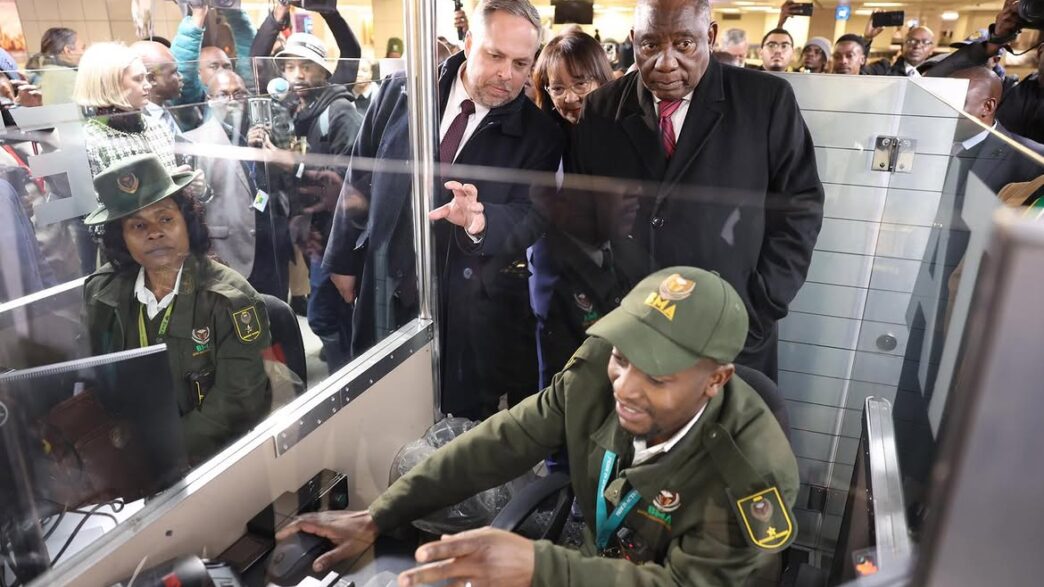
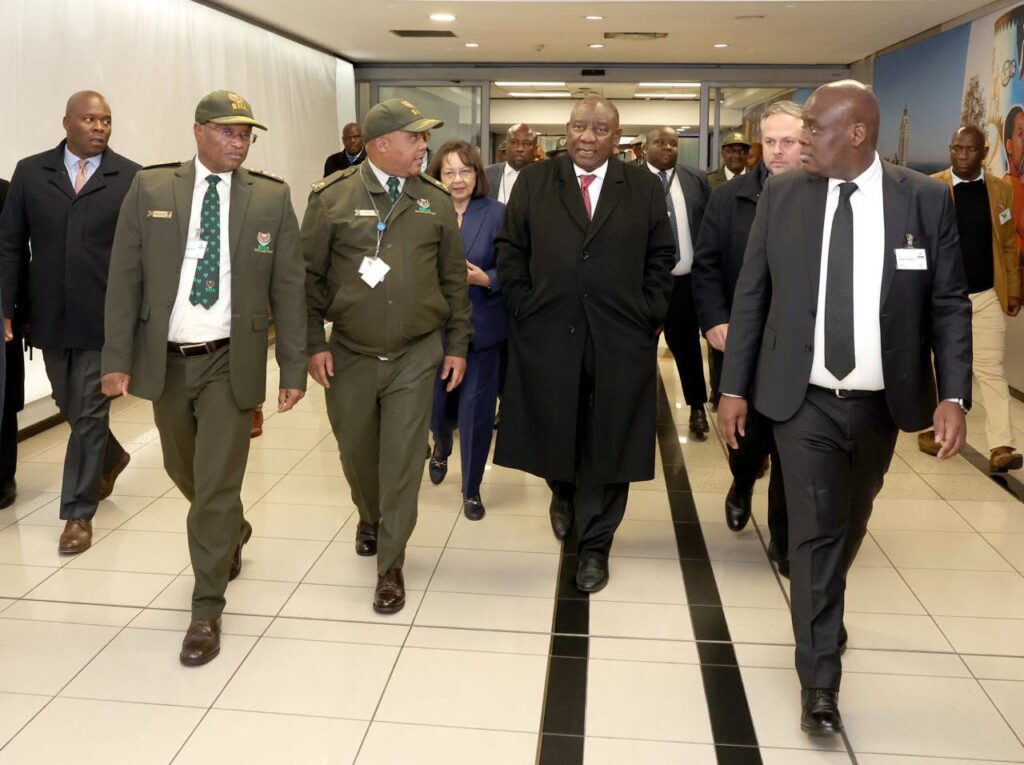
The system was officially launched by President Cyril Ramaphosa at OR Tambo International Airport on 12 August 2026. Home Affairs Minister Dr Leon Schreiber, Tourism Minister Patricia de Lille, Deputy Home Affairs Minister Njabulo Nzuza and other senior government officials attended the launch.
The ETA is currently operational at OR Tambo International Airport, Cape Town International Airport, King Shaka International Airport and Lanseria International Airport. It allows eligible travellers to apply online, verify their contact details, scan their passports and upload a selfie before travelling to South Africa. 
Applicants can receive approval within 24 hours. Once approved, the ETA can be stored in a smartphone’s digital wallet.
The system uses biometric technology to match an applicant’s face with the photograph in their passport. It also conducts automated risk screening using more than 40 checks to assess the authenticity of travel documents and identify possible fraud.
Since its pilot phase began in October 2025, 6 126 fraudulent applications have been identified and rejected. These included cases involving fraudulent passports, manipulated documents and other indicators of fraud. The rejected applications accounted for 2.8 per cent of submissions received from the pilot countries.
The pilot was initially introduced for travellers from China, India, Indonesia and Mexico during South Africa’s hosting of the G20 Presidency. Government plans to add more countries as the system expands.
Minister Schreiber said the platform was designed to make South Africa more accessible to legitimate travellers while improving immigration enforcement.
“The launch of the ETA represents a quantum leap forward for our country’s immigration system, both by unlocking economic growth through tourism, investment and legitimate travel, and by landing a decisive blow against visa fraud and illegal immigration,” Schreiber said.
President Ramaphosa said the system would give authorities access to information about travellers before they arrived in the country.
“Technology allows us to know more about travellers before they arrive, rather than after they enter,” Ramaphosa said.
He described the reform as both an immigration and economic measure, saying countries compete not only through the strength of their economies and infrastructure, but also through the ease with which people can visit, invest, trade, study and do business.
Ramaphosa warned that unnecessary delays and complicated border procedures could direct travellers and investors towards competing destinations.
Wider immigration reform
The ETA forms part of the Department of Home Affairs’ broader digital transformation programme. Government intends to expand the platform beyond short visits and tourism to cover additional visa categories, including work and study visas.
The system is also expected to support applications for eligible travellers who wish to extend their stay by a further 90 days.
The long-term plan is to make the ETA part of an end-to-end digital immigration system covering all visa categories.
The ETA is expected to become compulsory for short-stay visitors from countries whose nationals require visas at South African ports of entry.
Schreiber said the system would be expanded to additional countries, with embassies informed as each country is added.
Biometric border controls
The Department of Home Affairs is working to connect the ETA with the Border Management Authority’s upgraded Electronic Movement Control System, known as EMCS 2.0, and the automated eGates operated by Airports Company South Africa.
The planned integration would reduce the need for manual passport stamping and allow travellers to be processed through facial recognition technology.
When an ETA traveller arrives in South Africa, facial recognition will be used to confirm that the person is the same individual who received authorisation to enter the country.
The system will also verify the traveller when they leave South Africa. Travellers who fail to leave within the authorised period will receive communication from the Department of Home Affairs warning them that they may be overstaying and could face prosecution.
“If someone’s face has not been recorded as exiting in time, they will receive direct communication from Home Affairs warning them that we know about them and that they are at risk of overstaying and prosecution,” Schreiber said.
The minister said the system’s security features would support immigration enforcement where such warnings were ignored.
The connection between the ETA, EMCS 2.0 and ACSA’s automated eGates is still being developed. Government also plans to extend the technology to land and seaports in the coming months.
Once fully integrated, the system is expected to allow South African citizens and foreign travellers using the ETA to move through entry and exit points with fewer delays.
The new platform is being positioned as part of South Africa’s efforts to support tourism, international business, investment, trade, conferences and skills exchange.
Government expects easier travel procedures to increase demand for accommodation, restaurants, airlines, tour operators, conference venues and other businesses linked to international travel. It also expects improved access to support investment and business activity that could contribute to job creation.