


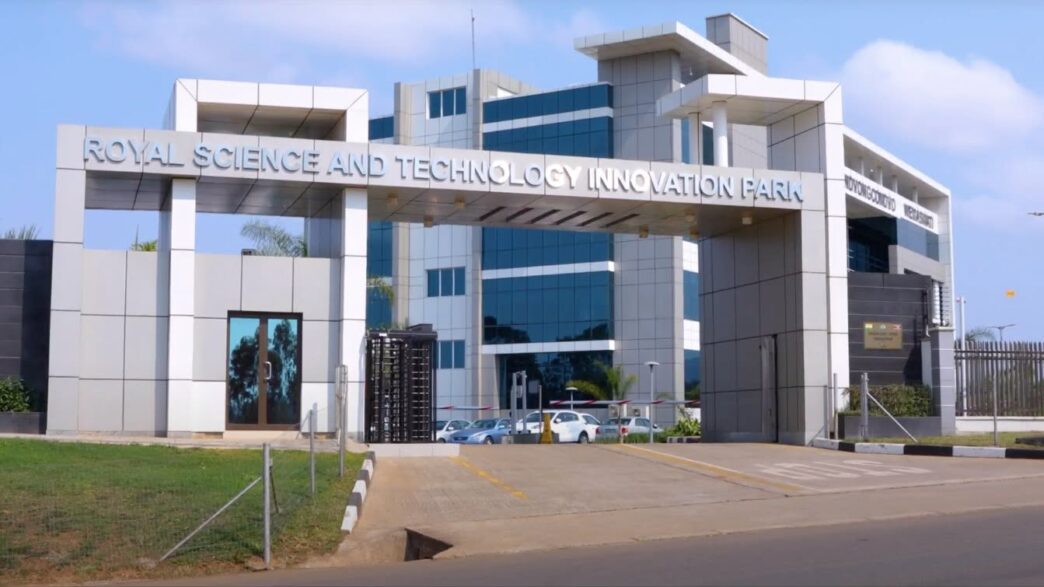
Mbabane – The Royal Science and Technology Park has called on young innovators and businesses in Eswatini to apply for the African Continental Free Trade Area Digital Innovation Challenge.
RSTP Communications Officer Senzo Malaza made the call during an interview on Eswatini TV’s Market View programme. He said the initiative seeks African solutions to challenges affecting trade between countries on the continent.
The 2026 challenge is being conducted under the theme, “Realising the AfCFTA for MSMEs through Digital Solutions.” Applications opened on 4 August and will close on 4 September 2026. 
Malaza said the initiative was created to give African innovators, especially young people, an opportunity to develop technology based solutions that can help improve the implementation of the African Continental Free Trade Area.
He said the agreement faced challenges such as limited technology for facilitating trade between African countries. The challenge therefore seeks homegrown solutions from innovators across the continent, including Eswatini.
The RSTP is sharing the opportunity with local innovators through its membership of AfriLabs and other continental networks. Malaza said Eswatini had capable innovators who could develop solutions that benefit micro, small and medium enterprises across Africa.
“We want to make sure that trade within Africa is not only a reserve for big businesses, but we also want to make sure that the micro, small and medium enterprises are not left out,” he said.
The challenge is seeking digital platforms that can support several stages of cross border trade. These include electronic commerce platforms that allow traders to market products across Africa, payment systems for businesses and tools that connect buyers with logistics providers.
Malaza said a successful solution should enable a buyer in one part of Africa to purchase and pay for goods sold by a trader in another part of the continent. It should also assist with the movement of the product to the buyer.
“It shouldn’t be just about marketing a product, but it should be a solution that is going to enable the trader to market the product, but it can also enable the buyer to purchase and probably even pay for that product. And then there should be a way of linking that trade or that solution to the logistics component,” he said.
Individuals, teams, start ups and enterprises from African Union member states are eligible to apply. The programme has a particular focus on young innovators between 18 and 35 years, while applicants must present digital solutions that are already operational or ready to scale.
Malaza said participating innovators could gain exposure, build networks and develop solutions with commercial potential. He said applicants could generate income from their intellectual property through transaction based models.
“For example, you can say whatever one percent of whatever transaction that is happening is what you’re going to be getting as the person who came up with the solution,” he said.
The RSTP is also offering support through its business incubation programme. Malaza said local innovators selected for the opportunity could receive guidance on business development and the commercialisation of their ideas.
He said technical experts such as software developers might have strong products but lack business experience. The RSTP’s role would be to help them understand how to turn their technical capabilities into viable enterprises.
Malaza urged applicants to develop solutions that can work beyond Eswatini’s borders. He said entries should be designed for use across the continent and should connect with existing systems, particularly in the financial technology sector.
He said interoperability would be important because a platform that allows traders to market goods but cannot process payments or connect with logistics services would not fully address the challenges facing African businesses.
Local innovators have been encouraged to access the application details through the RSTP’s social media platforms and follow the instructions provided, including scanning the available QR code. Applications close on 4 September 2026.