

CAPE TOWN, South Africa, September 21, 2026 Africa will need almost US$240 billion in annual energy investment by 2030 to meet growing electricity demand, support industrialisation and close major infrastructure gaps, according to figures from the International Energy Agency (IEA).
The call for increased investment comes as African economies experience rising demand for electricity, new industrial activity and growing requirements for modern energy infrastructure.
The scale of the investment requirement covers almost the entire energy value chain, including electricity generation, transmission and distribution, renewable energy, battery storage, oil and gas, grid modernisation, digital infrastructure and emerging technologies. 
The IEA estimates that annual energy investment in Africa needs to rise to almost US$240 billion by 2030 under its Sustainable Africa Scenario, with about half of that investment required in the electricity sector.
Despite the continent’s significant energy needs and investment opportunities, Africa continues to attract a relatively small share of global clean energy financing.
The IEA’s World Energy Investment 2025 report states that Africa accounts for about 20 per cent of the world’s population but receives only around 2 per cent of global clean energy investment.
Africa has substantial energy resources, including strong solar and wind potential, hydropower resources and natural gas reserves. There are also expanding opportunities in geothermal energy, green hydrogen and other emerging technologies.
However, available resources do not automatically translate into infrastructure and economic development.
Energy projects require financing, while infrastructure development also depends on technology, engineering capacity and specialised expertise. Investors, meanwhile, require projects that are financially viable and supported by predictable regulatory frameworks.
This has placed greater attention on how African countries can connect their energy opportunities with international capital, technology and technical expertise.
Governments are unlikely to finance the continent’s infrastructure requirements on their own. Private investors, development finance institutions, commercial banks, institutional investors and infrastructure funds are expected to play an increasingly important role in funding projects.
The Africa Energy Indaba says international partnerships should also extend beyond financing to include technology, skills development, local participation, knowledge transfer and long term market development.
Energy development is also closely linked to Africa’s broader economic ambitions, with reliable and affordable power needed to support mining, manufacturing, beneficiation, agriculture, digital infrastructure, transport and other economic activities.
“We should not simply be asking how many megawatts Africa is adding. We should be asking what economic activity those megawatts will enable,” says Liz Hart, Managing Director of the Africa Energy Indaba.
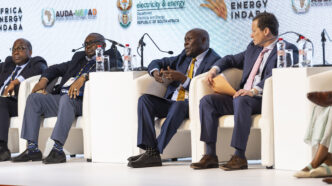
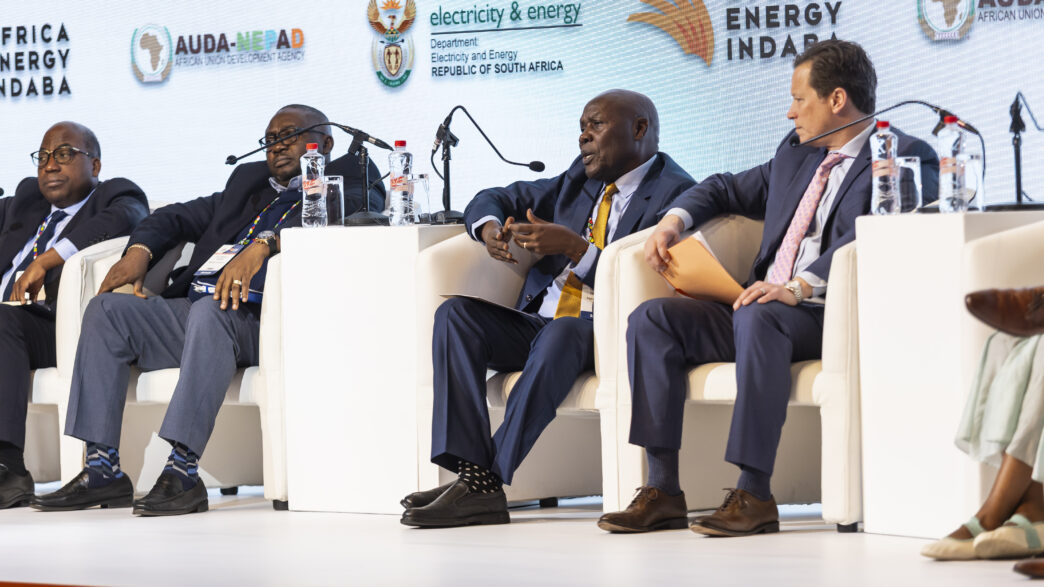
The issue of connecting energy projects with capital, technology and expertise will form part of discussions at the Africa Energy Indaba 2027, scheduled for March 2 to 4, 2027, at the Cape Town International Convention Centre in Cape Town.
The event is expected to bring together African governments, utilities, regulators, project developers, independent power producers, investors, financiers, development institutions, technology companies and major energy users.
International organisations looking to enter, expand or strengthen their presence in African energy markets are also expected to participate.
For governments and project developers, the Indaba is positioned as a platform to engage investors, financiers, technology companies and development partners.
Investors and financiers will have opportunities to engage directly with governments, utilities and project owners, while technology and energy companies will be able to assess market requirements, build partnerships and explore business opportunities across African markets.
“Africa has spent many years discussing its energy challenges. The next decade must increasingly be about implementation,” adds Hart.
“Africa has the resources, demand and opportunity. The world has capital, technology and expertise. Our task now is to connect them – and turn Africa’s energy potential into infrastructure, investment, industrialisation and economic growth.”