

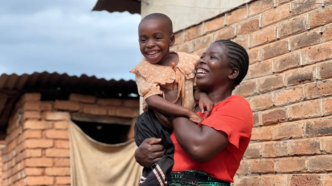
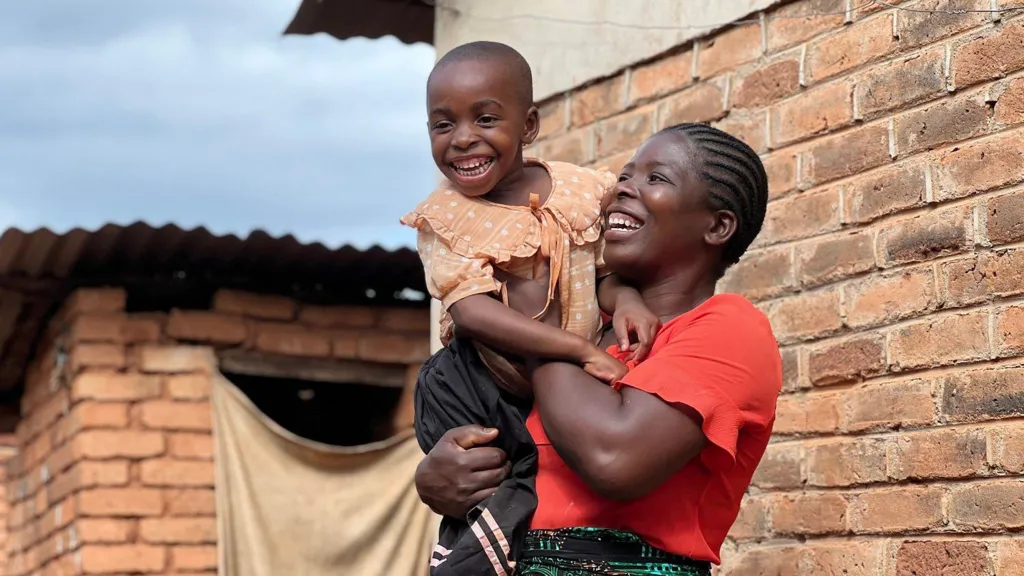
Mzuzu, Malawi – Martha Ongwane’s life transformed after her four-year-old daughter Rachael was diagnosed with autism. Two years ago, Rachael was non-verbal, constantly moving, and prone to biting, leaving Martha feeling desperate and overwhelmed. At one point, Martha even considered ending her daughter’s life, saying, “I told myself it would be better if she died because that would mean she would rest and that would be the end of our problems. My heart didn’t let me. I changed my mind and cried so much.”
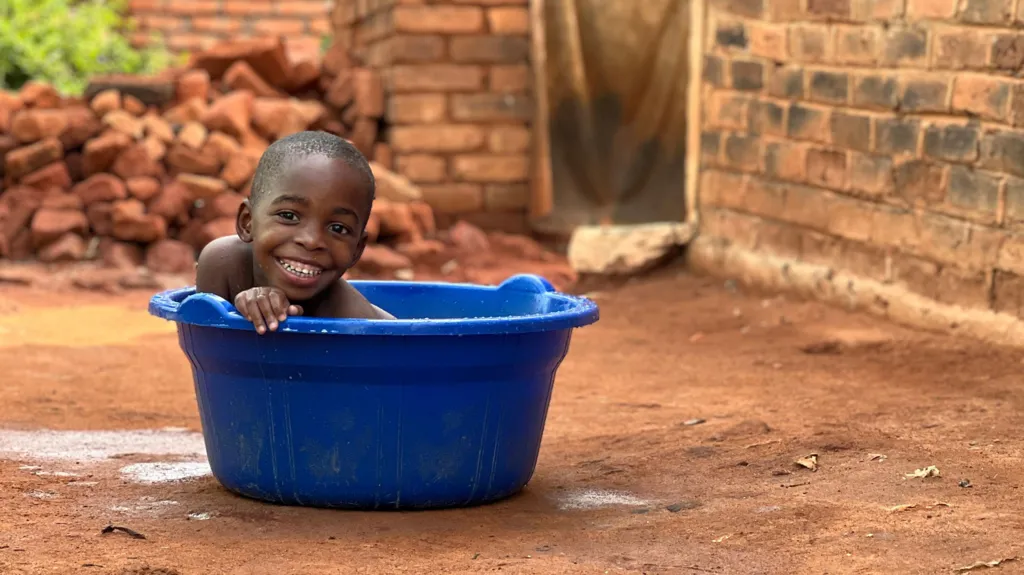
Now, Martha adores her daughter, who giggles and climbs onto her lap as they share daily routines, including preparing nsima, a thick maize porridge, for lunch. The change came after visits to Mzuzu Central Hospital led to Rachael being referred to Saint John of God, a Catholic-supported organisation providing community-based mental health services and schooling for children with special educational needs. Martha and her husband also received counselling, helping them cope with the challenges of raising a child with autism. According to a report by BBC, this access to support has been crucial to Rachael’s improvement.
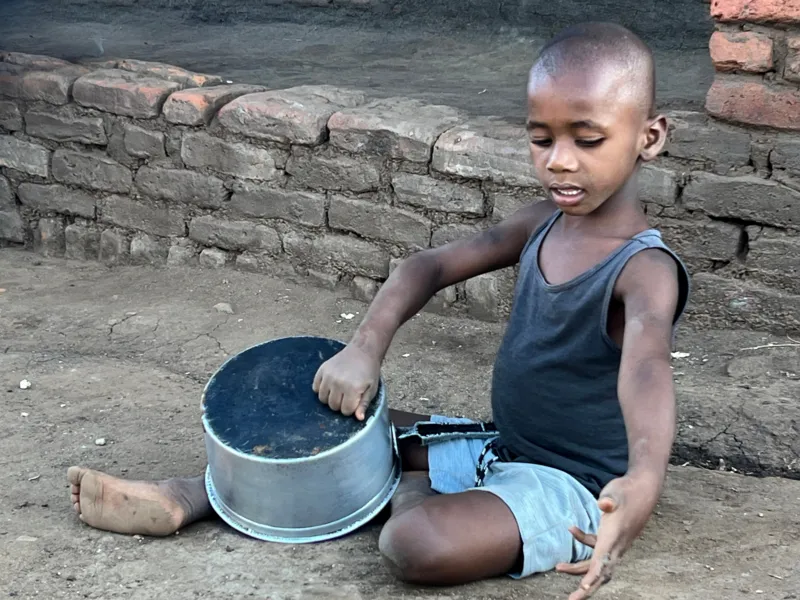
Autism, or autism spectrum disorder, is a neurodevelopmental condition affecting communication, social interaction, and behaviour. According to the World Health Organization, more than 60 million people worldwide are on the autism spectrum. In Malawi, awareness is extremely limited. The country has only two developmental paediatricians and three consultant psychiatrists for over 22 million people. The term autism does not exist in Chichewa, the most commonly spoken language, and is often translated as “ozelezeka” meaning mentally challenged, or “ofuntha” meaning troublesome. 
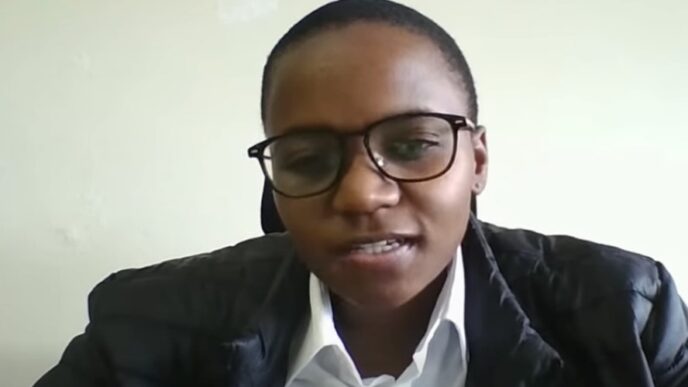
Saint John of God works to change perceptions through community awareness sessions. Christopher Mhone, programme manager, says, “For a woman to come to a point where she feels like she should kill her child, as a nation we have failed her. Her burden has become so impossible to bear that she does not have the emotional and psychological capacity to cope.” Religious elders from Christian and Muslim communities often attend these sessions, where myths linking autism to witchcraft are addressed, and practical strategies for managing the condition are shared.
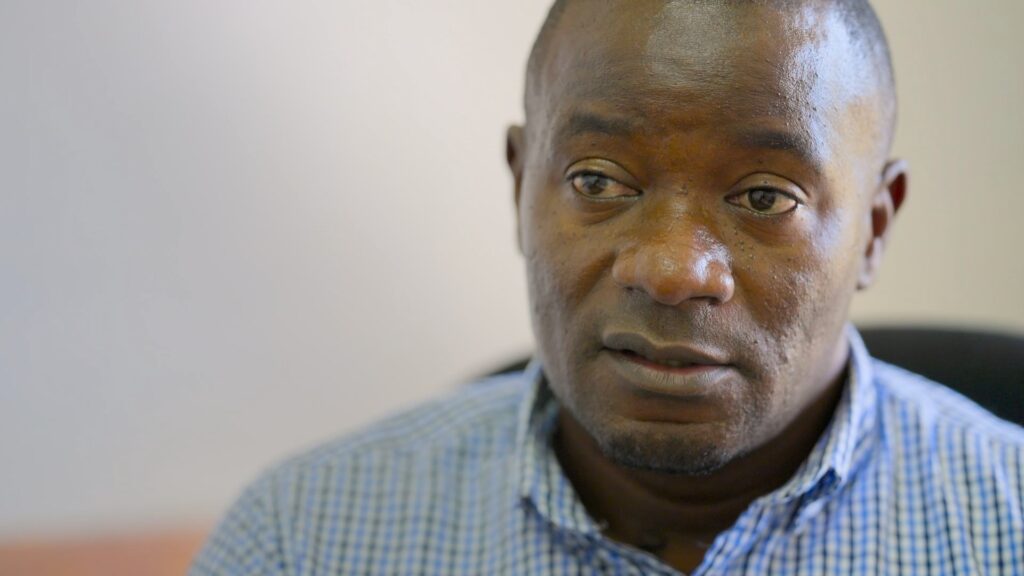
Programme manager, Saint John of God. Photo by BBC
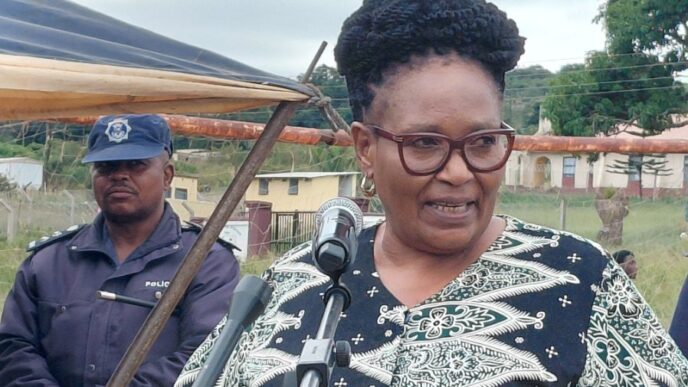
Access to government healthcare remains limited. Most mental health support comes from NGOs or charities, with only one government psychiatric referral facility in Malawi, located at Zomba Central Hospital. Autism is not mentioned in the country’s Disability Act, leaving many families without guidance. Attempts to reach Health Minister Madalitso Baloyi for comment on national support for children with autism were unsuccessful, BBC reports.
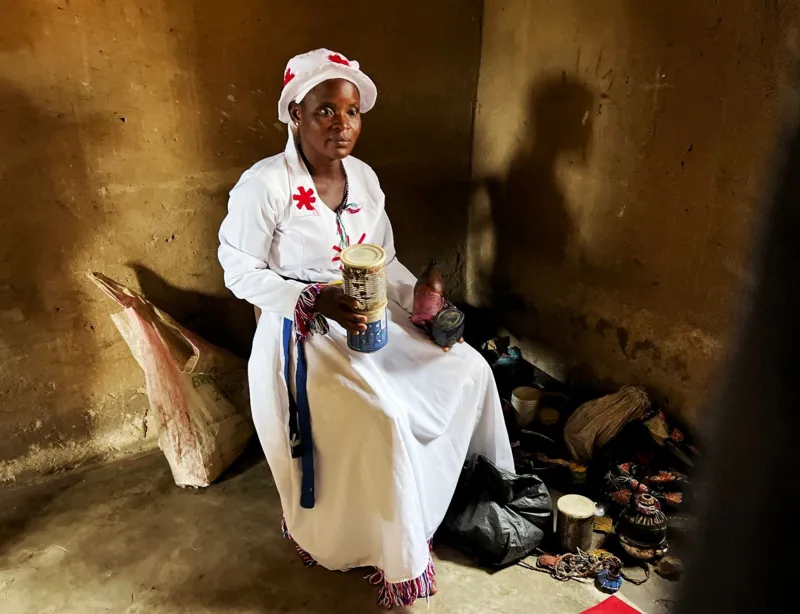
Many families still rely on traditional healers. Natasha Lusinje, from outside Lilongwe, took her five-year-old son Shalom, who is non-verbal and cannot feed himself, to a traditional healer. The healer, who has no medical qualifications, claimed Shalom’s autism was caused by evil and administered herbal remedies and small cuts on his skin. After three weeks, there was no improvement, and the healer admitted failure. Natasha continues to hope for a cure through faith, according to BBC.
At Saint John of God in Mzuzu, Rachael now attends school, learning to speak and engage with peers. The centre serves more than 600 children annually, providing education, therapy, and activities for those with autism, Down’s syndrome, and cerebral palsy. Mhone says, “I want us to conceptualise disability in a positive way. Disability is ability, in a different way. And if society begins to understand that, then there will be less stigmatisation, and they will be looking at the positive things that can come out of those with disabilities.”
Martha reflects on the journey with both guilt and relief. “When I look at her, I feel so guilty. Every day I think about the fact that my daughter could have been dead. I adore her now,” she says, watching Rachael play happily in their home.