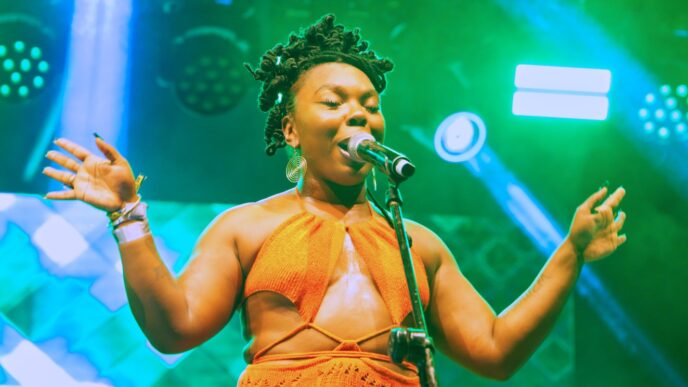


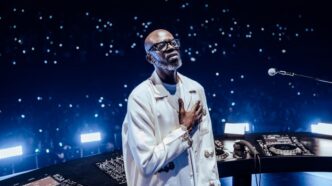
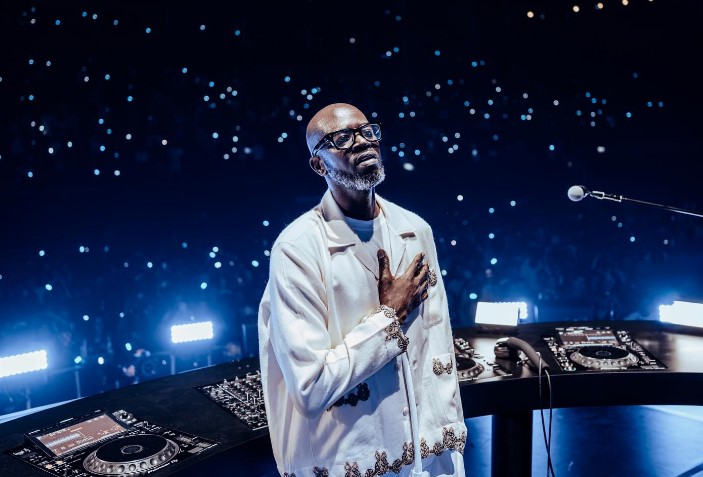
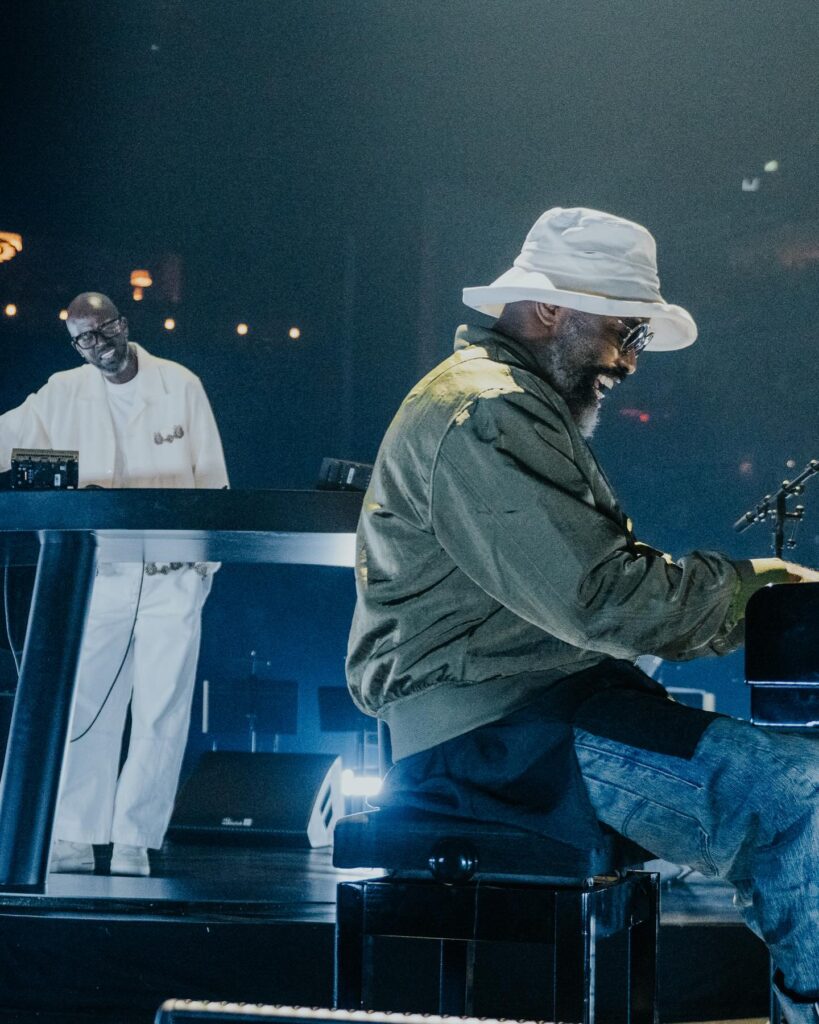
London – South African DJ and Grammy Award winner Black Coffee made history on May 22, 2026, becoming the first African DJ to sell out the 20,000-capacity O2 Arena in London, delivering a three-hour spectacle that blended Afro-house with a live orchestra, a 360-degree stage and a surprise appearance by American superstar Alicia Keys.

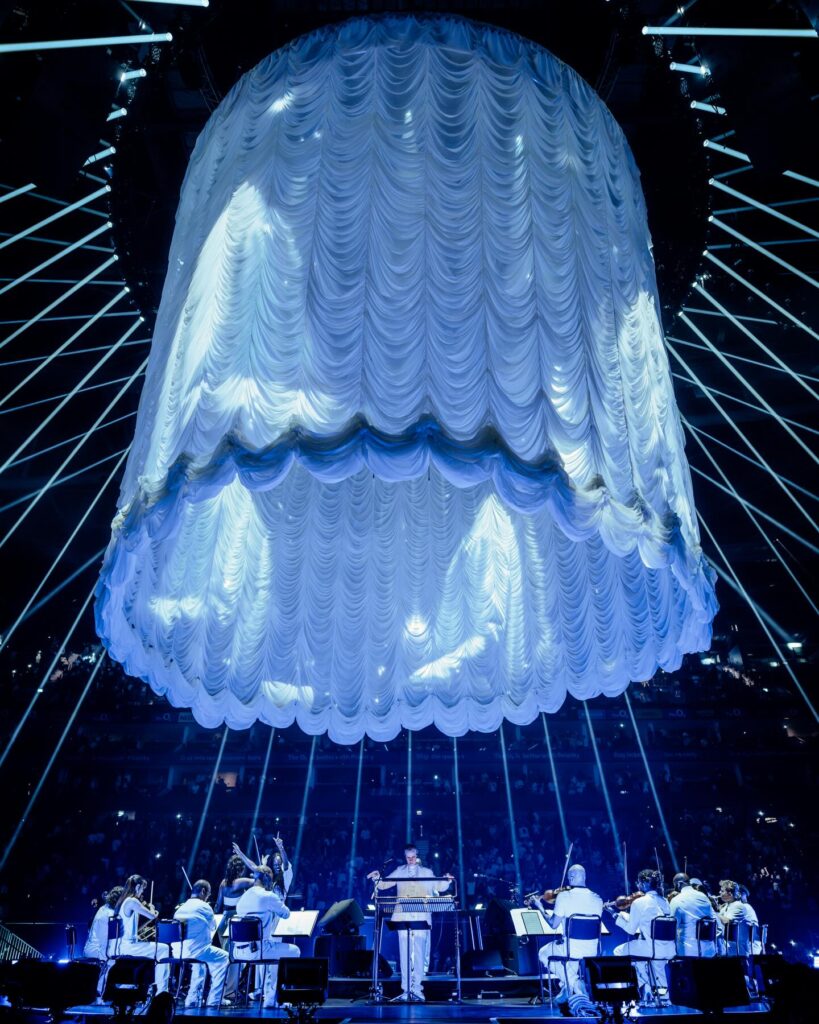
The sold-out show, titled Afropolitan House, featured a 12-piece live orchestra, a choir, live percussion and cinematic projections beamed onto a massive circular curtain suspended above the stage. Keys performed “In Common” live for the first time alongside Black Coffee, sending the crowd into a frenzy.
Born Nkosinathi Maphumulo, Black Coffee is known for hits including The Rapture Pt.III and Drive. Speaking to the BBC ahead of the performance, he was calm despite the enormity of the occasion, even pausing the interview to acknowledge that Keys was waiting backstage. 
“I’m keeping her waiting for you guys and this interview,” he said, smiling.
For the DJ, the O2 night was the result of years of building his presence in London, a city he credits with helping launch his international career.
“I’ve been here before,” he said. “I played in the Indigo room before, so it was always a big thing for me to move to the next room, the big one.”
He said London’s deep clubbing culture shaped how he approached the set.
“London is known for clubbing for so many years. There’s a very big relationship with Ibiza. They’re just a clubbing community. London is punchier, groovier. So I had to build a different set for tonight.”
The performance comes after previous orchestral milestones including a sold-out show in Nîmes, France, and a performance at Madison Square Garden in New York.
Behind the glittering career lies a story of hardship. In 1990, during celebrations marking the release of Nelson Mandela from prison, Black Coffee was involved in a car accident in which two people died and that left him with a serious injury to his left arm.

“It changed my entire life,” he said quietly. “It was a setback. I was still a kid and I always wanted to be a DJ. One day I just made a decision not to stop.”
That decision carried him to the top of the global music industry, though he remains critical of the lack of support structures for young artists in South Africa.
“We haven’t built sustainable structures that can take artists from zero to one,” he said. “Every artist tries their own way. Some make it, some don’t. What we need are systems that guide talent step by step.”
He is equally blunt about how African artists position themselves on the world stage, pushing back against the idea of celebrating “African excellence” as a separate category.

“I don’t like the wording,” he said. “I just want excellence. If we want to be global players, we should come as global players, not African global players.”
He added that artists from the continent must stop waiting for opportunities from Europe or America.
“Whatever opportunities we’re not given, we need to create ourselves and stop waiting to be invited to the table.”
That thinking guided his Grammy Award strategy. Black Coffee deliberately chose not to compete in categories set aside for African music, instead entering alongside mainstream international artists.
“That win was very strategic,” he said. “I wanted to be nominated amongst my peers, people I tour with, travel with and work with. We don’t need a smaller table.”
He said the Grammy victory carries a significance beyond personal achievement.
“It may not make sense to a lot of people now, but it was an important moment in the history of music from the continent.”
Following the London show, Black Coffee flew out to begin his summer residency in Ibiza.