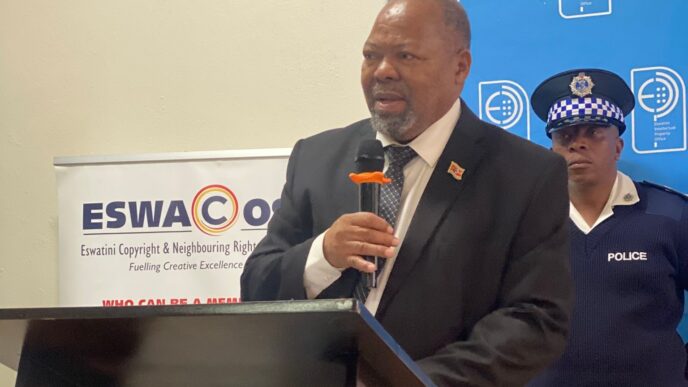




Manzini – Eswatini Intellectual Property Office (EIPO) Registrar, Dr Celucolo Dludlu, believes it is critical to disseminate SiSwati stories to children and the rest of the globe via digital channels. He said it was necessary to catch up with the times while not losing national heritage.
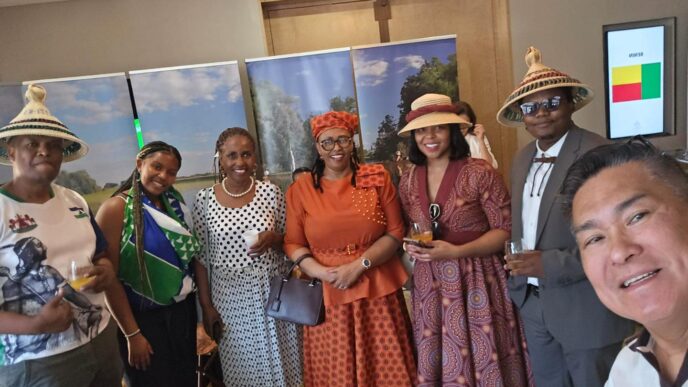
Dr Dludlu was one of the speakers at the observance of World Book and Copyright Day 2026, which was held at The George Hotel on Thursday under the local theme: “Promoting SiSwati Stories in the Digital Age”.
The registrar said it was important to keep the tradition of telling stories to children and around fires alive, reminiscing that in the past, Emaswati grew up listening to stories from parents and grandparents. 
“Stories were told around fires. We have folk tales. Wisdom was shared through that conversation of stories.
“Stories entertained us. They educated us. They taught us values, and they shaped how we understood ourselves and our communities. That was our first classroom. That was our first entertainment platform,” he said, making a call to parents and guardians to return to ways of the past.
Dr. Dludlu stated that while folk tales were the society’s original educational system, stories are now one-sidedly disseminated on social media platforms and that children listen, read and watch them on streaming platforms and gadgets.
“They are on digital books, podcasts, gaming platforms, and virtual worlds,” he said, adding that society runs the risk of neglecting telling authentic stories and folk tales.
He asked; “If Emaswati stories are missing from digital platforms, who is telling their story? Because in the digital age, stories are no longer just, you know, cultural expressions, but they are economic assets. These stories create jobs and industries. They attract investment. They can be commercialised, monetised and exported.”
Dr Dludlu said it was important to go beyond conversations and get in on it.
Also speaking at this event was the Minister of Commerce, Industry and Trade, Manqoba Khumalo, represented by the Minister of Economic Planning and Development, Dr Thambo Gina, who emphasised the importance of protecting creativity, preserving cultural identity, and empowering local creators in the digital era.
The Eswatini National Commission for UNESCO, Lwandle Simelane, said local artists need to take copyright seriously and also labelled culture the missing Sustainable Development Goal (SDG).
Executive Director of the Eswatini Copyright and Neighbouring Rights Society Executive Mmeli Hlanze said they have covered ground in about two years since formation by teaching artists about their rights to earnings from their craft and urging creatives to get registered with them.