

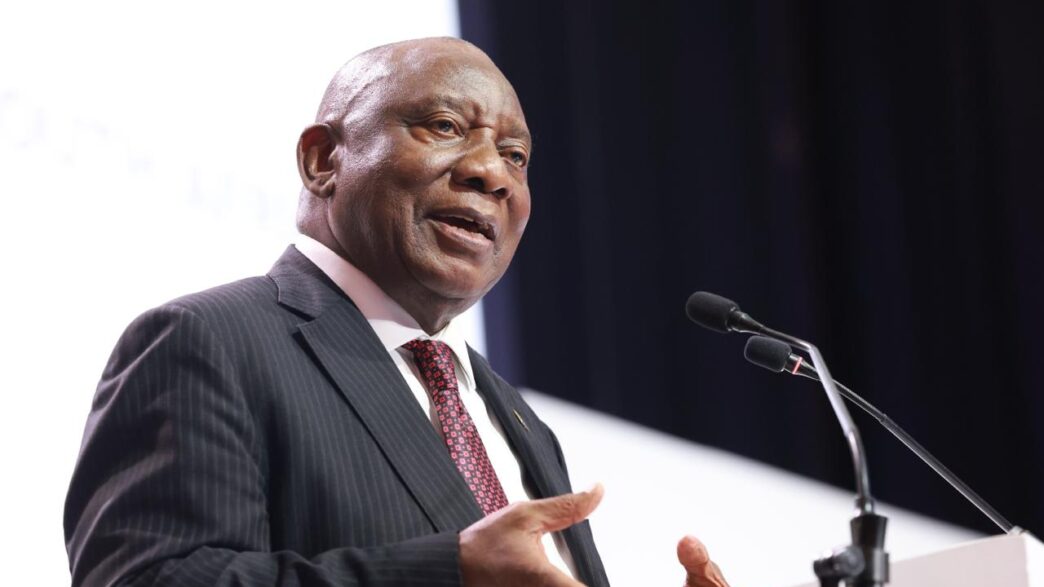
Pretoria – South African President Cyril Ramaphosa has announced a sweeping set of measures to tighten the enforcement of immigration and labour laws, including increased workplace inspections, stiffer penalties for employers hiring undocumented workers, and the establishment of dedicated immigration courts.
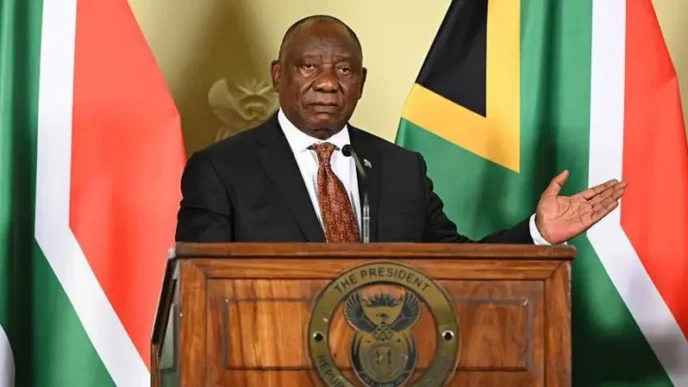
Addressing the nation, Ramaphosa acknowledged failures in how migration has been managed, saying the government accepts responsibility for gaps that have eroded public confidence.
“There have been weaknesses in the way migration has been managed in our country. There have been weaknesses in rigorous and focused enforcement. We admit that. And there have been weaknesses of corruption,” he said. 
The president said concerns raised by South Africans about safety, security and the rule of law are legitimate and deserve a response.
“They’re concerned about safety, security, and the rule of law. These concerns are real. They deserve to be heard and they deserve to be addressed,” Ramaphosa said.
He outlined five pillars of the government’s approach: cracking down on violations of immigration and labour laws; securing borders; stamping out corruption within the immigration system; strengthening immigration legislation; and working with other African countries on a continental response to migration.
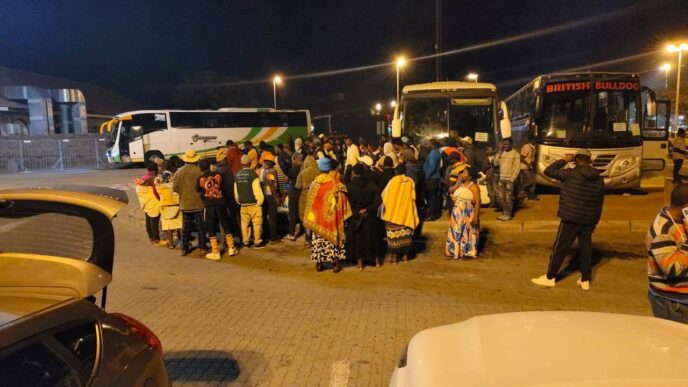
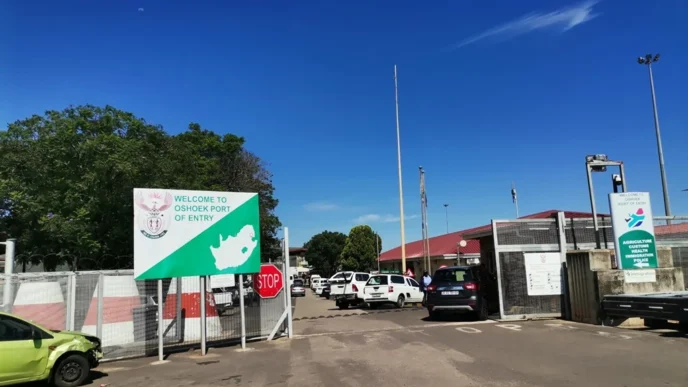
On enforcement, Ramaphosa said the Department of Home Affairs, the Border Management Authority, the South African Police Service and other agencies would intensify efforts to identify and deport undocumented foreign nationals. He added that over 450,000 people attempting to enter South Africa illegally were intercepted in the past year alone.
The Department of Employment and Labour has begun recruiting 10,000 additional labour inspectors for the current financial year, a commitment Ramaphosa first made during the State of the Nation Address in February.
Employers found guilty of hiring undocumented workers face significantly harsher consequences under the proposed changes, including imprisonment.
“We cannot have a situation where employers, who after being charged and found guilty of violating our laws, merely pay a fine and continue employing undocumented foreign nationals whom they exploit,” Ramaphosa said.
The government also announced plans to build an intelligent population register containing biometric data for every person in the country, and to phase out the green identity book, which Ramaphosa said has been exploited for identity theft. The Department of Home Affairs will set a date after which the green ID books will no longer be recognised.
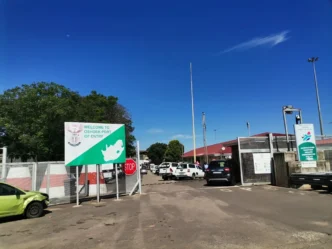
Refugee reception centres are to be relocated closer to border posts, beginning with the Tzaneen centre this year, to allow asylum applications to be processed more efficiently at points of entry.
Ramaphosa warned that no person other than authorised government officials may demand proof of identity from individuals in public spaces, and he condemned attempts by groups to exploit immigration concerns to incite violence.
“We will act against forces who are exploiting the concerns of our people about illegal immigration to further their own political, personal and criminal agendas,” he said.
The Employment Services Amendment Bill, which would empower the Minister of Employment and Labour to set quotas on the employment of foreign nationals in specific economic sectors, has been approved by Cabinet for introduction to Parliament.
Cabinet has also finalised a National Labour Migration Policy proposing maximum quotas for documented foreign nationals in employment, and the Department of Small Business Development is working with the South African Local Government Association to ensure small and informal businesses are properly registered.
Ramaphosa said South Africa cannot solve migration pressures through enforcement alone, and committed to engaging other African countries through SADC, the African Union and bilateral channels.
“South Africa’s future is inseparable from the future of our African continent. Migration pressures cannot be addressed through enforcement measures alone. They require peace where there is conflict, economic growth where there is stagnation and opportunity where there is poverty,” he said.
He said he would be sending envoys to a number of African countries to outline the measures announced and to pursue cooperative solutions to migration challenges across the region.
An Inter-Ministerial Committee on Migration will coordinate the government’s response across departments, with Cabinet committing to regularly review progress in implementing the measures.