




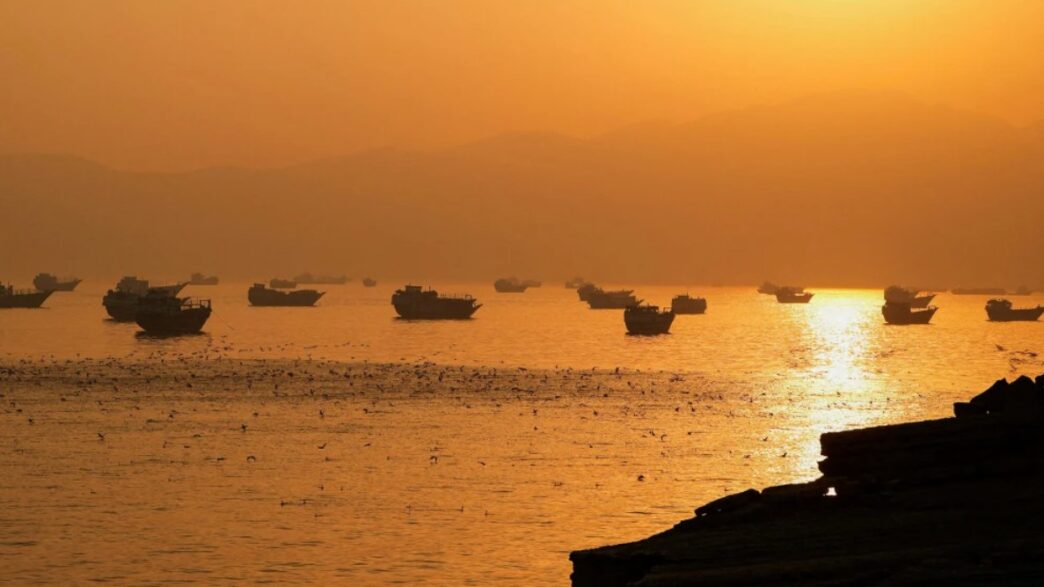
DUBAI, United Arab Emirates — Iran will immediately take steps to reopen the Strait of Hormuz once a tentative deal with the U.S. to end the war is signed and will be allowed to sell its oil without restrictions, according to leaked copies of an interim agreement that officials say broadly matches the document.
The accord, due to be signed in Switzerland on Friday, also envisions Iran receiving at least $300 billion to rebuild after the war and says the U.S. would work to end all American and United Nations sanctions imposed on Tehran — if a final agreement addressing Iran’s nuclear program is reached.
The U.S. and Israel went to war on Feb. 28 in part to prevent Iran from ever getting a nuclear weapon — although U.S. President Donald Trump’s goals in the conflict have repeatedly shifted. 
The interim deal stops the war before that aim is secured — instead opening a two-month period for nuclear negotiations — and appears to offer Iran several benefits up front while extracting little in return.
The U.S. agreement to immediately allow Iran to sell its oil freely and the offer to eventually lift all sanctions, for instance, represent major concessions that outstrip the terms of Iran’s 2015 nuclear deal with world powers that Trump withdrew America from in his first term, declaring it the “worst deal ever.”
The accord likely will draw intense criticism in Washington — and appears to be a major setback for Israeli Prime Minister Benjamin Netanyahu, who is coming under intense criticism at home as the details emerge.
Much of the agreement would restore the status quo before the war, including ending hostilities, restarting negotiations between the U.S. and Iran over Tehran’s nuclear program, and reopening the strait, which is a crucial passage for the world’s oil and natural gas and whose closure created a historic energy crisis.
The deal includes an end to the fighting in Lebanon between Israel and the Iranian-backed militia Hezbollah. That is one of the most delicate parts of the agreement because Israel has maintained it will continue to defend itself and to occupy vast swaths of Lebanon. Iran has said Israel must withdraw under the deal although the leaked versions make no mention of withdrawal.
A person who was briefed on the memorandum of understanding after it was signed and another who viewed a copy beforehand said it largely matched the text of what was published by the Saudi-owned broadcaster Al Arabiya, which reported details of the deal Tuesday. The two people spoke on condition of anonymity because of the sensitivity of the discussions.
AP


