

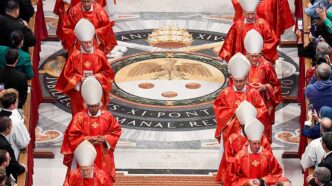
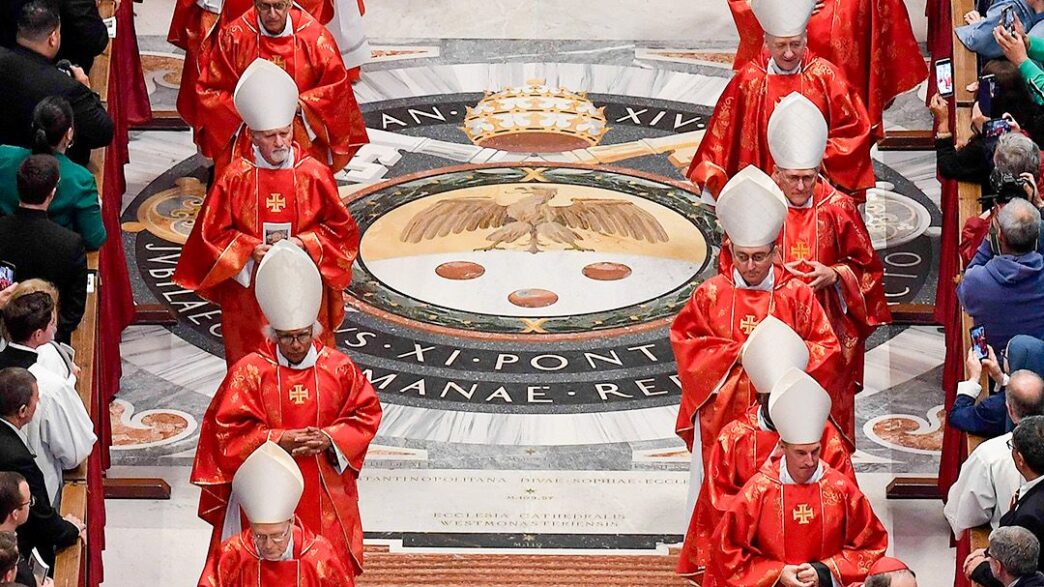
Catholic cardinals have commenced the process of electing a new pope inside the Sistine Chapel in Rome, Italy, marking what is widely described as the most unpredictable conclave in the Church’s history.
The voting began on Wednesday afternoon under Michelangelo’s The Last Judgment fresco, as 133 cardinals—more than ever before—gathered for the papal election following the death of Pope Francis last month at the age of 88.
The cardinals, representing diverse theological and geographical perspectives, have been meeting daily since April 28 to deliberate on the future of the Church. Among them are traditionalists hoping to reverse some of Francis’s reforms, and progressives seeking to carry forward his legacy. Archbishop Ignatius Suharyo Hardjoatmodjo of Jakarta, who arrived last, remarked on Monday that the volume of voices and ideas has made it difficult to reach consensus. 
On Tuesday morning, they met one final time before moving into the Casa Santa Maria residence, where they surrendered their mobile phones and entered a period of complete seclusion. All Vatican staff assisting the process—including drivers, cooks, and cleaners—have also sworn an oath of secrecy.
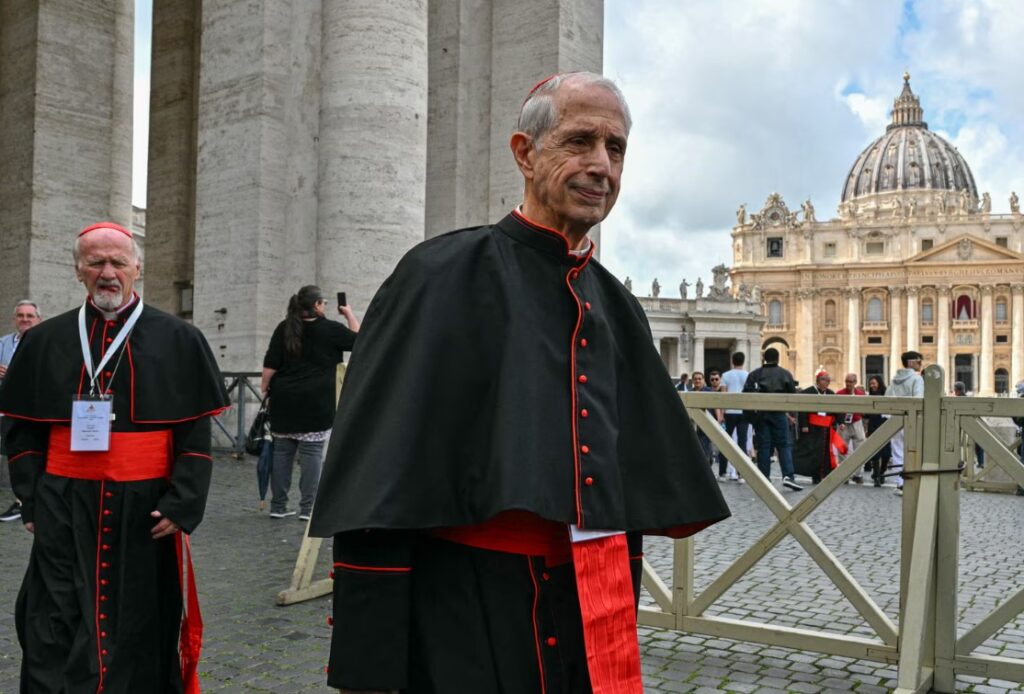
Voting is expected to take place twice daily, with smoke signals indicating progress: black for no decision, white for a successful election. If no pope is chosen after three days of voting, the cardinals are scheduled to pause for reflection before continuing.
Speculation on potential successors has been growing, with American cardinal Robert Prevost emerging as a strong contender. Known for his calm demeanor and listening skills, Prevost is seen as a unifying figure. Other names being circulated include Vatican secretary of state Pietro Parolin, Philippine cardinal Luis Antonio Tagle, and traditionalists like Péter Erdő of Hungary and Robert Sarah of Guinea.
Despite these forecasts, Vatican watchers warn that frontrunners rarely emerge victorious. Jorge Mario Bergoglio—later Pope Francis—was not seen as a top contender in 2013 but was elected after several rounds of voting.
Inside Vatican circles, there is broad consensus that the next pontiff must be capable of navigating a fractured Church and addressing global moral crises. Severina Bartonitschek, a German correspondent covering the conclave, said unity will be a major task for the new pope, alongside confronting clerical sexual abuse.