


Ezulwini – Eswatini uses the VAT system from Sri Lanka as a benchmark for digital invoicing, which affects exporters’ ability to send their schedules and invoice information electronically.
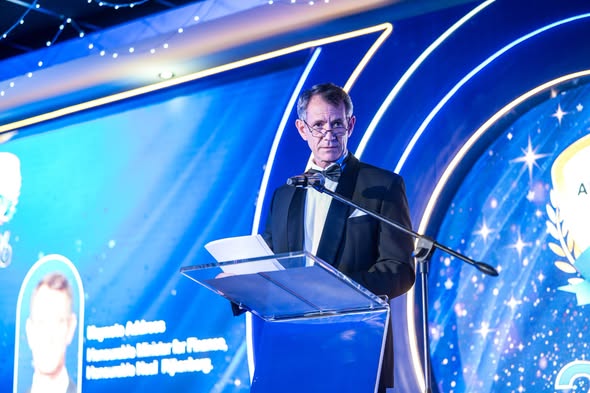
Eswatini completed the legislative framework early this month, according to Finance Minister Neal Rijkenberg, allowing the implementation to start with the wholesale and retail sectors as the initial phase.
“I’m also pleased to announce that the legislative framework to support this solution has now been gazetted with the value-added tax amendment of the third schedule notice 270 of 2026, which speaks to electronic fiscal documents. This legislation came into effect on the 3rd of July 2026 last week, marking an important milestone in strengthening the legal foundation for the digitalisation of invoicing in Sri Lanka,” he said. 
Sri Lanka rolled out the programme first in October 2025, and it is expected to complete it late into the current year, allowing for seamless, real-time transmission of invoice data from taxpayers’ systems directly to the government’s platform.
The e-invoicing programme supports jobs, makes goods, and serves households while contributing meaningfully to the national revenue, the minister said.
He said the sectors need to grow in a fair and sustainable manner through tax systems that place equal terms.
“A well-functioning e-invoicing system involves transparency, strengthens record-keeping, and gives the ERS better visibility of transactions. It also reduces opportunities for the new leakage and helps protect honest businesses from unfair competition. I therefore encourage businesses, particularly those in the wholesale retail industry, to embrace this technology with the seriousness it preserves,” the minister said.
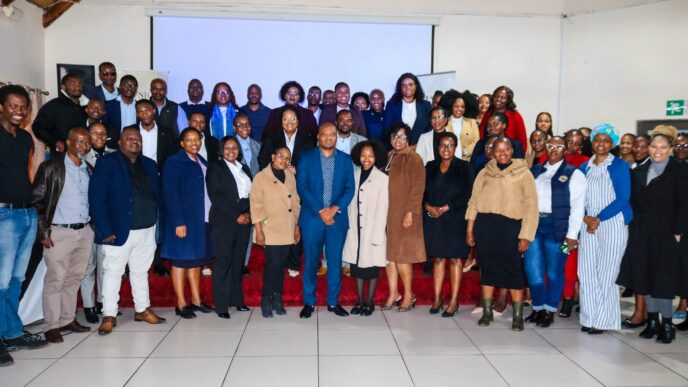
The minister encouraged taxpayers to attend training sessions, ask questions and prepare their systems together with their teams.
The minister also acknowledged that some businesses and individuals may be struggling to meet obligations from varied business and household impacts.
“Some of us have to make difficult choices to keep operations going, protect jobs, and meet day-to-day responsibilities. In such moments, keeping our tax obligations may become challenging. Not because taxpayers do not value their contribution, but because circumstances sometimes make it difficult to meet every obligation on time,” he said, encouraging taxpayers to get closer to the ERS than to run away from them.
He stressed that running away from tax obligations could become costly in the long run, advising them of ERS’s Sondzela Sikhulume campaign.
Sondzela Sikhulume is ERS’s way of inviting taxpayers to come forward to have an honest conversation about their challenges in meeting tax obligations. It enables taxpayers to strike practical debt and management deals.
Beyond the mercy, the ERS is given access to enforce the terms of necessary laws.
“The message is simple and relational. Come closer. Let’s talk,” he said.
“It allows businesses and individuals with outstanding tax debt to explore arrangement plans and begin the process of regularising their repairs. However, I must emphasise one important point. The responsibility to come forward rests with the taxpayer,” he said.