

EZULWINI – Stakeholders in Eswatini’s creative industry have raised concerns about poor access to information, lack of policy implementation, and limited collaboration—factors they say continue to hinder the growth and sustainability of the sector.
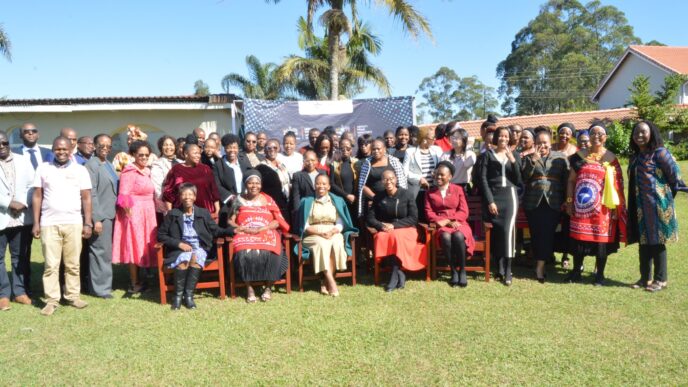
Speaking during the MTN Bushfire UN Live Dialogues on May 9, ESWACOS Executive Director Mmeli Hlanze said the country is lagging behind in preparing young people to thrive in the digital economy. He noted that while several policies exist to support the arts, their implementation is often delayed due to lack of funding and poor information dissemination.
“We’re not doing enough. There’s a serious gap between creating policy and making people aware of those policies,” said Hlanze, stressing the need for increased internet access, public education on new laws, and stronger commitment to funding implementation. 
Participants also noted the lack of awareness around the 2005 UNESCO Convention and copyright issues that affect artists and content creators. Hlanze insisted that unless youth are fully informed and have the tools to engage in the digital space, opportunities in the creative sector will continue to pass them by.

Adding to the conversation, a young creative urged fellow youth to show greater willingness to learn, noting that the success of available interventions depends on active participation and self-education. “We can’t rely solely on workshops or platforms; we need to seek knowledge and understand how to use policies to our advantage,” she said.
Festival organiser Nomathemba Xaba lamented the absence of a clear policy framework for event funding. “When I need funding, I knock on doors and mostly get vague responses. There is no checklist or process that supports festival organisers,” she said. Xaba called for the establishment of formal funding channels and support systems to help festivals thrive.

Addressing artist readiness, Xaba said many aspiring performers underestimate the expectations of international platforms such as Bushfire. “That stage can be intimidating. Artists must ask themselves if their work is of a standard that can represent Eswatini to the world,” she said.
Creative producer Ndumiso Dlamini stressed the importance of building ecosystems within the industry, pointing out that festivals and artists depend on one another. He urged young professionals in PR, management, photography and marketing to collaborate with artists in developing well-rounded brands. “A strong brand makes it easier for festivals to spot and book talent,” he said.
On the side of organisers, MTN Bushfire representatives said the festival has programs in place to empower local artists. One such initiative is the Firefly showcase, which helps emerging talent gain exposure and earn spots on the festival’s main stage. Bushfire also partners with international festivals, such as Colombia’s Petronio Alvarez, to expand cultural exchange.
Organisers admitted, however, that more effort is needed to communicate the work being done. “We’re making strides, but we must communicate better,” said one of the festival’s representatives. The team said they are working closely with local bodies, including the Eswatini Environment Authority, to amplify efforts and promote behavioural change around sustainability and waste management at events.