

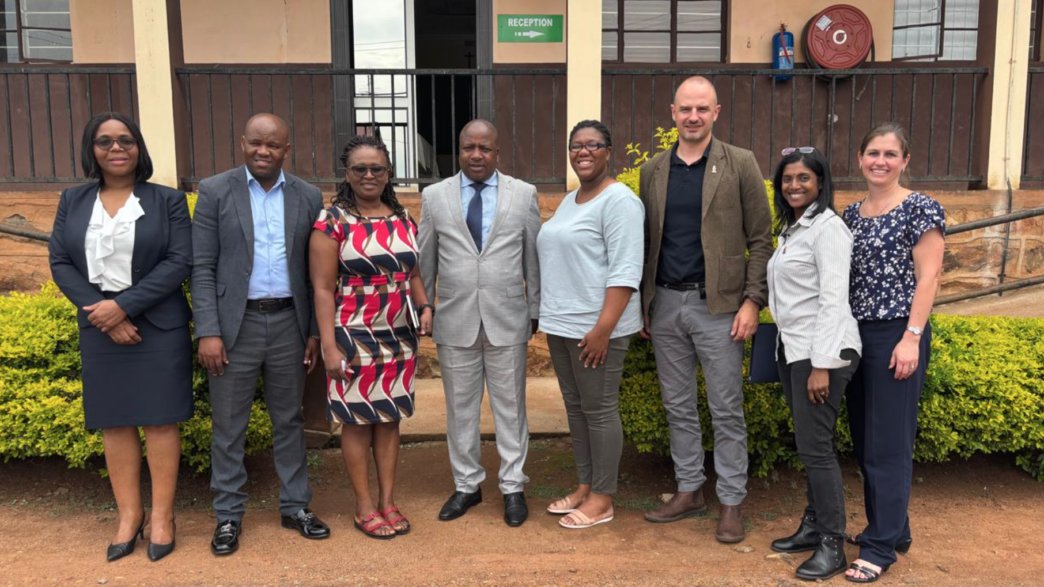
Pretoria – The University of Pretoria (UP) has joined forces with the Good Shepherd Catholic College of Health Sciences (GSCCHS) in the Kingdom of Eswatini to launch the country’s first physiotherapy degree programme. The partnership aims to address the shortage of rehabilitation healthcare professionals in Eswatini, where only about 33 physiotherapists currently serve the population.
Associate Professor Carel Viljoen, Head of the Department of Physiotherapy at UP, said access to rehabilitation services is one of the most overlooked parts of healthcare across many African countries. “Developing a local training programme is essential for Eswatini’s long-term self-sufficiency in rehabilitation healthcare,” he said. “With a small number of physiotherapists serving the entire country, many patients have limited or delayed access to rehabilitation services. This affects people recovering from injury, surgery, stroke or chronic illness, and can lead to long-term disability that might otherwise have been prevented. The shortage also means that physiotherapy services are often concentrated in urban hospitals and clinics, leaving rural communities particularly underserved.”
Currently, Eswatini relies on recruiting foreign physiotherapists or sending its students abroad for training, which increases costs and makes it difficult to maintain a steady workforce. The new programme will offer a four-year Bachelor of Physiotherapy degree, marking the first locally based physiotherapy training in the kingdom. 
UP will lead the development of the curriculum, drawing on its experience in training physiotherapists for African health systems, particularly in Southern Africa. The programme will be designed to reflect Eswatini’s local disease patterns, healthcare structures, and resource constraints. A curriculum development committee chaired by Prof Viljoen has been established, including academic staff from both institutions and key stakeholders from neighbouring countries to ensure regional relevance and alignment with international standards.
Prof Viljoen said the programme could realistically start with 10 to 15 students per year, with potential to expand as capacity grows. He added: “Partnerships between African institutions often work well because they share similar health challenges, resource constraints and training needs. In the current global climate, there is increasing recognition that African countries need to strengthen their own training capacity rather than relying entirely on support from outside the continent. Collaborations within Africa make it possible to develop healthcare educational programmes that are locally relevant, sustainable and better aligned with regional priorities, while meeting international academic standards.”