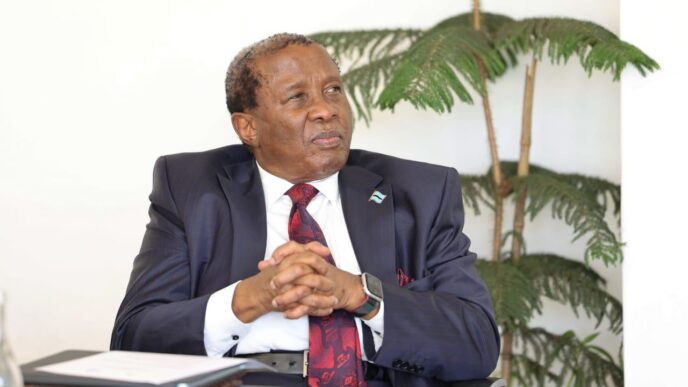


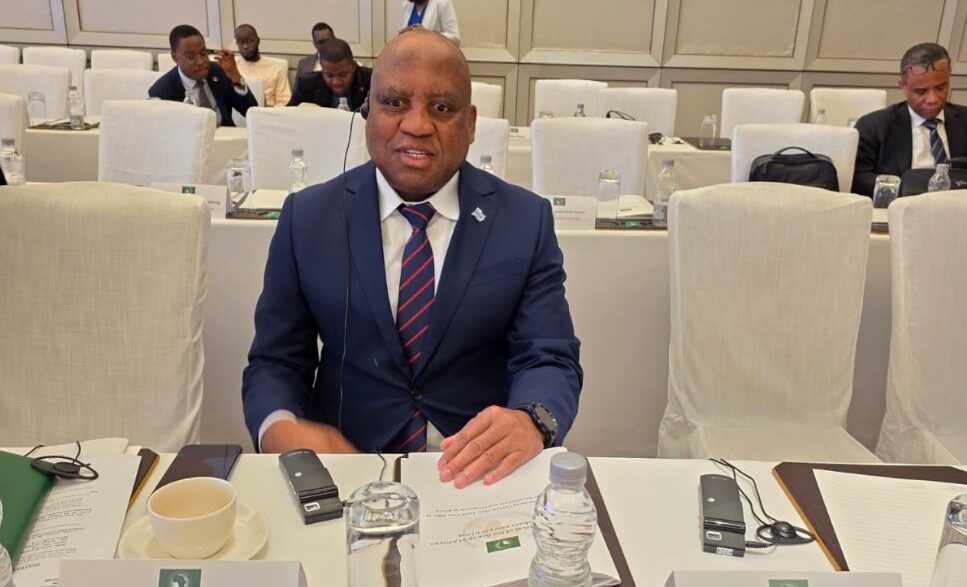
Botswana’s Ambassador to China, Professor Lekoko S. Kenosi, is attending the Annual Retreat of the Group of African Ambassadors in China, held from 23 to 24 April 2026, where discussions are centred on how African nations can take full advantage of China’s sweeping zero-tariff initiative.
The retreat is being held under the theme “Leveraging China’s 100% Tariff-Free Offer to Foster Development and Prosperity in Africa,” and comes just days before a landmark Chinese policy takes effect on 1 May 2026. Under that policy, goods from 53 African countries with established diplomatic relations with China will gain 100% zero-tariff access to the Chinese market, with no duties and no quotas attached.
The initiative is designed to boost trade, deepen economic cooperation and chip away at Africa’s long-standing trade deficit with China by opening one of the world’s largest consumer markets to African exporters. 
Discussions at the retreat are focusing on the practical steps needed to make the most of the opportunity, including understanding regulatory requirements for accessing Chinese markets, identifying products that are in high demand among Chinese consumers, and aligning African standards and quality infrastructure with what the market requires.
For Botswana, the zero-tariff policy is seen as a real opening to diversify its export markets, stimulate local production and sharpen its competitiveness on the global stage. Authorities expect the policy to drive surplus production for export and position the country to tap meaningfully into expanded Chinese market access.
The development is equally relevant for other Southern African nations, including Eswatini, which stands among the 53 countries set to benefit from the arrangement when it kicks in next week.