

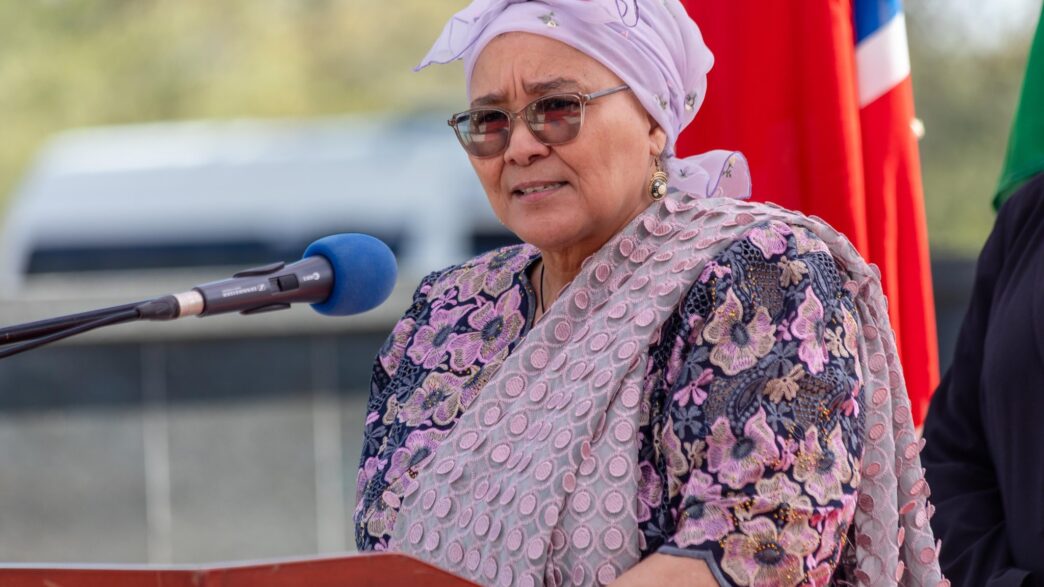
Namibia on Thursday commemorated Genocide Remembrance Day across the country, with Vice President Lucia Witbooi delivering a sombre address in Eenhana in the Ohangwena Region, calling on Namibians to preserve the truth of the 1904 to 1908 genocide committed against the Ovaherero and Nama people under German colonial rule.
The day, which was inaugurated in 2025, honours the tens of thousands of lives lost during one of the darkest chapters in Namibia’s history, when Imperial Germany deployed an overwhelming military force under General Lothar von Trotha following uprisings led by Chief Samuel Maharero and Nama leaders including Kaptein Hendrik Witbooi.
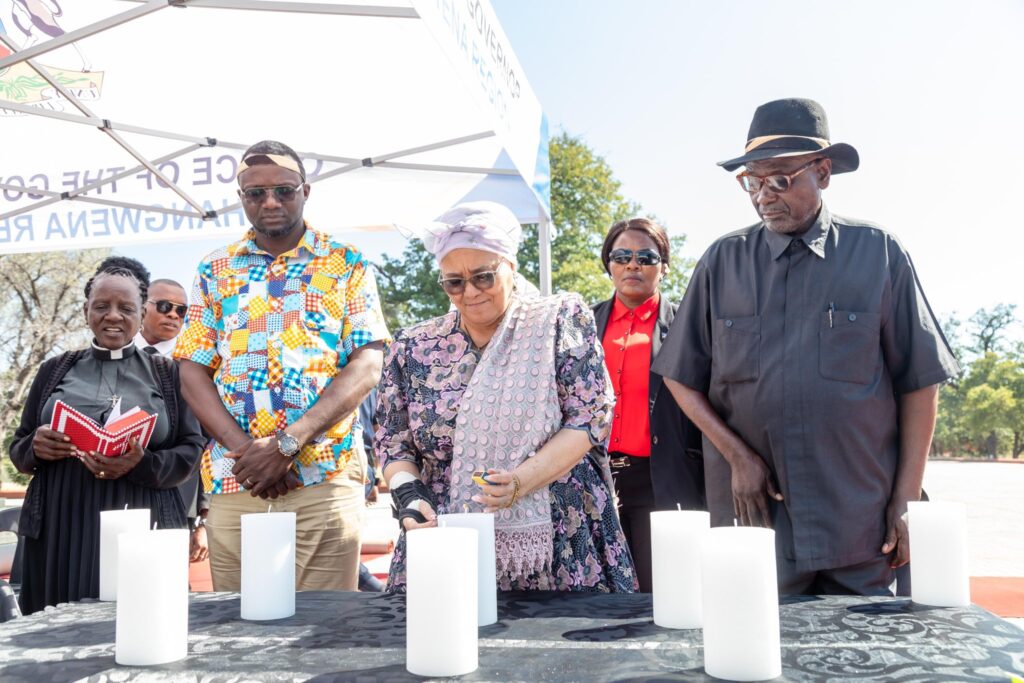
Witbooi reminded those gathered that the resistance began with the Battle of Waterberg, after which extermination orders drove many of the Ovaherero and Nama people into the Omaheke Desert to die of thirst and starvation, while survivors were confined to brutal concentration camps and subjected to forced labour and inhumane racial experiments. 
She quoted President Netumbo Nandi-Ndaitwah’s words from the inaugural commemoration in 2025, when the president declared that “Genocide Remembrance Day enters our calendar of public holidays to symbolize unity of purpose, inclusivity, and nation-building. This Day of memory brings hope, not only to the affected communities, but also to all Namibians who seek to build a future that is grounded in the shared understanding and appreciation of our collective history, including our ongoing efforts in reconciliation and nation-building.”
Witbooi told the gathering that the suffering of those who perished laid the moral and political foundation upon which later generations built the struggle for independence, drawing a direct line from the 1904 resistance to the liberation movement led by Chief Hosea Kutako, Dr Sam Nujoma and Andimba Toivo ya Toivo.
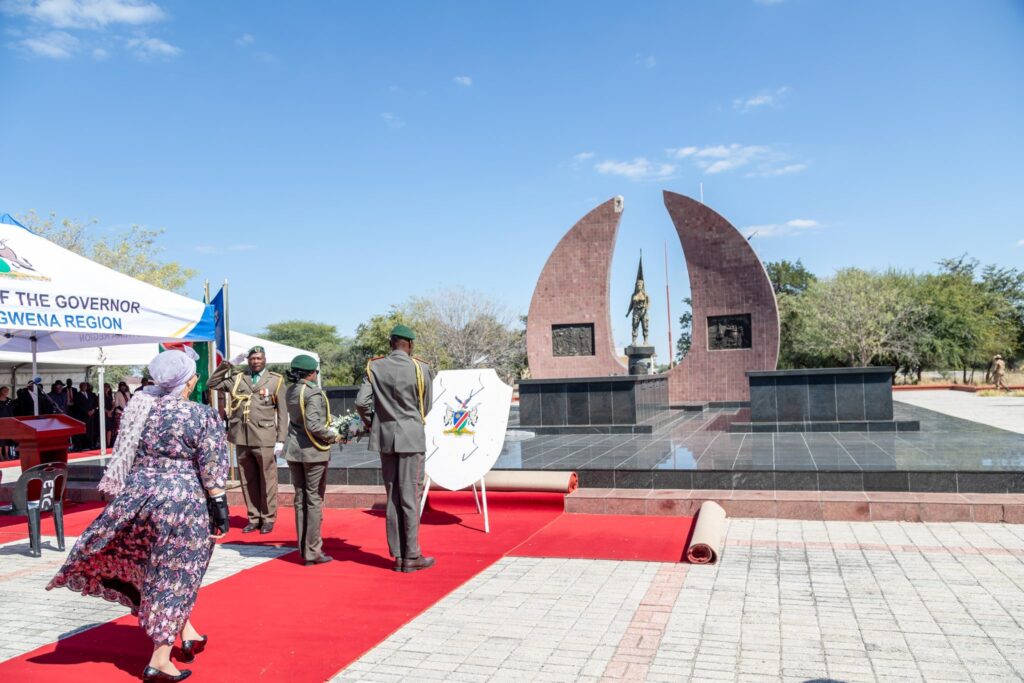
“When we sing in our National Anthem that ‘their blood waters our freedom,’ we are not merely reciting poetic words. We are acknowledging a sacred truth: that the freedom we enjoy today was paid for through the suffering, sacrifice, and blood of those who came before us,” she said.
The Vice President called on academics, researchers, artists, filmmakers, musicians, writers, poets and storytellers to document and preserve the history of the genocide, warning that remembrance without documentation risks silence over time.
“When a people do not document and tell their own story, there is always a risk that the truth may be diluted, distorted, or reduced to a mere footnote in history,” she said.
Witbooi also used the occasion to urge the nation to continue pressing for justice through ongoing negotiations with the German government, calling on Namibians to speak with one voice in pursuit of healing and closure for the affected communities.
She closed with a direct appeal to the youth, urging them to take ownership of Namibia’s economic and social development through educational excellence, innovation and economic empowerment, and calling on all Namibians to reject tribalism, division, hatred and exclusion.
“No Namibian must ever be left behind in our national journey toward dignity, equality, and prosperity. For this is what our forebears stood for,” she said.