

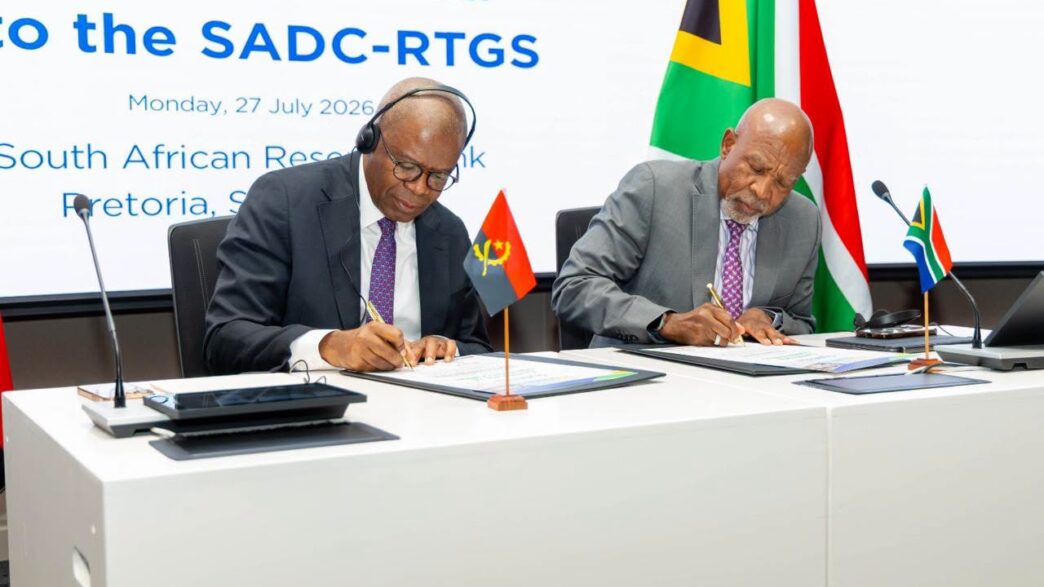
Durban – The Angolan kwanza has officially become the second settlement currency in the Southern African Development Community Real Time Gross Settlement system, a move expected to strengthen regional trade, lower transaction costs and improve cross border payments across Southern Africa.
The announcement was made on 27 July 2026 by South African Reserve Bank Governor and Chairperson of the SADC Committee of Central Bank Governors Lesetja Kganyago together with Banco Nacional de Angola Governor Manuel Tiago Dias.
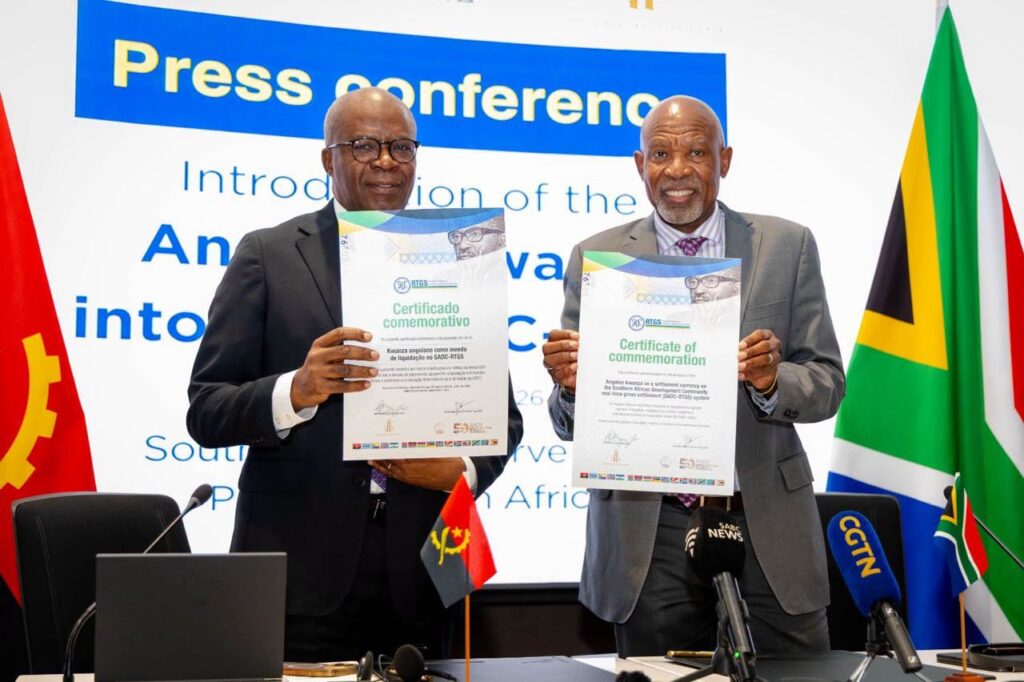
The development forms part of ongoing efforts to deepen financial integration within the SADC region while supporting the Group of Twenty cross border payment agenda, which seeks to reduce payment costs, increase transaction speeds and improve efficiency for international payments. 
For businesses in Eswatini and across the 15 countries participating in the SADC RTGS system, the inclusion of the kwanza means transactions involving Angola can now be settled directly in the Angolan currency without relying on multiple foreign exchange conversions. This is expected to reduce costs for financial institutions, businesses and customers trading with Angola.
The kwanza is only the second settlement currency available on the SADC RTGS platform, which has processed transactions exclusively in the South African rand since the system was launched in 2013.
SADC central banks also intend to introduce more regional currencies into the platform in future, including the Botswana pula, as part of efforts to encourage greater use of local currencies in regional trade.
The expansion of the multi currency settlement system is designed to strengthen regional financial integration, reduce dependence on currencies from outside the SADC region and make cross border trade more efficient.
A wider choice of settlement currencies is expected to make it easier for companies and individuals to conduct business across Southern Africa using local currencies. Faster settlement of payments will also improve cash flow management by allowing businesses to access funds more quickly when trading across borders.
The SADC RTGS system marked 13 years of operation on 13 July 2026. Operated by the South African Reserve Bank on behalf of the SADC Committee of Central Bank Governors, the platform processes transactions worth approximately R250.7 billion every month.
According to figures released alongside the announcement, trade and interbank transactions between Angola and the other 14 SADC member states reached about US$3.77 billion during 2025 across nine different currencies.
South Africa accounted for the largest share of those transactions, recording nearly US$2.99 billion. This represented around 60 percent of transaction volumes and 79 percent of the total value processed between Angola and other SADC countries.
The SADC RTGS system is intended to support economic growth by creating a more connected regional payments network, reducing barriers to trade, encouraging investment and supporting job creation.
Payments made through the system are settled by central banks, providing greater security while reducing delays and risks associated with using multiple commercial banks and foreign intermediaries.