

MBABANE – The European Union has commended Eswatini’s efforts to combat malnutrition through the development of a new National Food and Nutrition Policy and accompanying legislation, describing the initiatives as bold actions that will save lives and secure a healthier future for children.
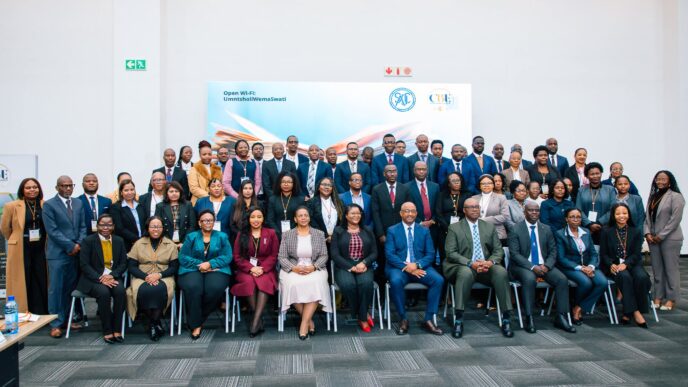
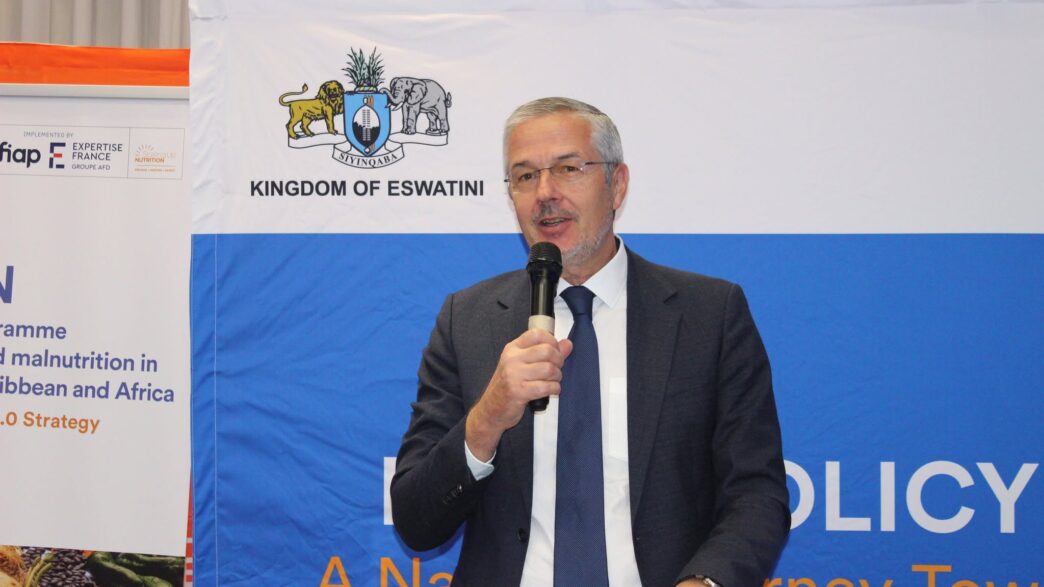
Speaking at the Validation Workshop for Eswatini’s National Food and Nutrition Policy (2026-2035) and the Nutrition Bill at Hilton Garden Inn Hotel in Mbabane on 29 July 2026, EU Ambassador to Eswatini Karsten Mecklenburg said the policy documents represent a critical step in the fight against malnutrition.
The workshop was held under the EU4SUN project, launched in 2023 and implemented by FIAP, the Spanish Development Agency. 
“The Eswatini National Nutrition Policy and the Nutrition Bill are bold actions that Eswatini is implementing on the understanding that when we put nutrition first across all sectors, we save lives, giving hundreds of thousands of children a healthier future,” Ambassador Mecklenburg said.
He said the EU’s alignment with the Scaling Up Nutrition Movement is based on three strategic pillars: country-led ownership, multi-sectoral integration, and systemic operationalisation of SUN Phase 3.0.
“True progress cannot be engineered externally or dictated by top-down mandates. Through the SUN country-owned model, the EU aligns its development architecture directly beneath the national nutrition plans of participating states. We are shifting from a model of external aid to one of national empowerment, ensuring that local governments hold both the steering wheel and the accountability,” he said.
The ambassador noted that this approach reflects the EU’s broader shift in working with partner countries in Africa, including Eswatini, from a donor-recipient logic to genuine partnership.
He said nutrition is not an isolated health issue or a simple agricultural byproduct, but sits at the intersection of clean water, functional sanitation, inclusive education, and robust social safety nets.
“Nutrition is not just a matter of survival. It is dignity, it is opportunity, it is life. The European Union believes in this today more than ever,” Mecklenburg said.
The ambassador said he had reviewed data from the Global Nutrition Report and was pleased to note that Eswatini appears to be on track for several core infant and young child benchmarks.
“I congratulate the Ministry of Health, the government of Eswatini, and the Nutrition Council,” he said.
He added that more work still needs to be done, and having the nutrition policy would advance the course in the immediate future while the legislative piece would go a long way in sustaining gains made.
Ambassador Mecklenburg also thanked the FIAP team, the consultants, and the National Nutrition Council for leading the groundwork on the initiative.