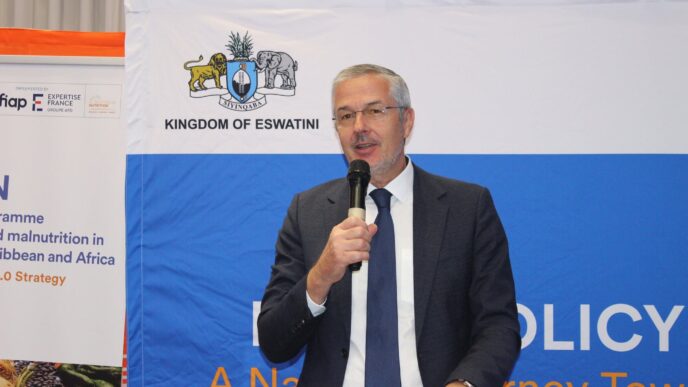



Mbabane – Eswatini’s minister of health, Mduduzi Matsebula, said the past 10 years of the country’s efforts to combat malnutrition have been met with a complex triple burden.
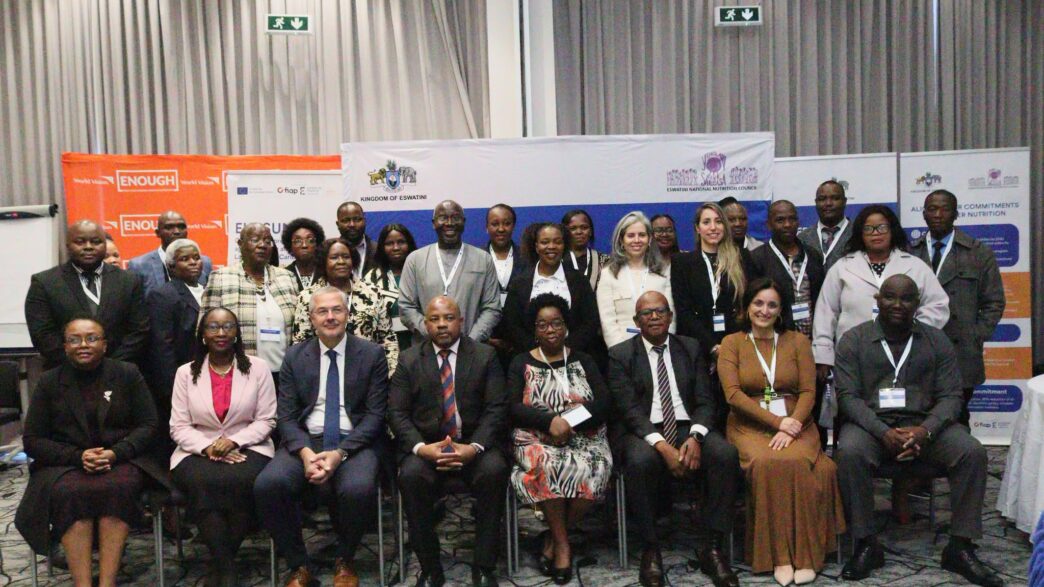
While opening the food and nutrition policy and nutrition bill workshop at the Hilton Garden Inn Hotel on Wednesday, Matsebula said the commendable progress in strengthening healthcare delivery and improving social protection systems faces ongoing challenges.
“On one hand, we continue to combat undernutrition and stunting, particularly among our young children, which quietly robs them of their physical and cognitive potential. On the other hand, we are witnessing a rapid rise in overweight, obesity, and diet-related Non-Communicable Diseases (NCDs) such as diabetes, hypertension, and cardiovascular diseases across all age groups,” Matsebula said. 
Eswatini has not been spared from the global economic shifts, climate-induced disasters, and evolving global supply chain challenges which have exposed its food systems’ vulnerability.
The minister said addressing these challenges requires further health interventions and ‘bold, comprehensive, and updated strategies’.
The revised Eswatini Food and Nutrition Policy provides a blueprint that guarantees food and nutrition security for every emaSwati, with a deliberate focus on our most vulnerable populations.
Matsebula advised that the policy must align with national priorities across agriculture, health, education, social security, and economic planning, further warning that it can only be as robust and effective as the consensus behind it.
“This validation workshop is not a mere formality. It is your platform to scrutinise, refine, and sharpen this document. We need your diverse expertise—from healthcare practitioners and agricultural experts to development partners and community advocates—to ensure that this policy is:
- Practical and Contextual: Rooted in the everyday realities of Eswatini’s urban and rural communities.
- Multi-Sectoral: Clearly defining the roles, synergies, and accountability mechanisms across all sectors.
- Action-Orientated: Supported by measurable outcomes that can be seamlessly implemented and monitored.”
He said the workshop propels Eswatini to be healthier and more resilient as well as to provide the fundamental human dignity of the provision of food and nutrition.
“As the saying goes, “Good nutrition creates a foundation for human potential.” Without a healthy and well-nourished population, our national aspirations for growth and transformation remain out of reach,” he said while thanking the partners who played crucial roles behind the scenes.
The Scaling Up Nutrition (SUN) Movement played an instrumental role in mobilising vital resources and providing unwavering technical support to keep nutrition at the forefront of our national agenda.
The European Union (EU) provided strategic and financial support while World Vision Eswatini is making relentless community-level work that continues to uplift our children and families.
The UN agencies, civil society organisations, non-governmental partners, and private sector stakeholders have invested their wisdom and contribution in the process to ensure that it is inclusive and representative.