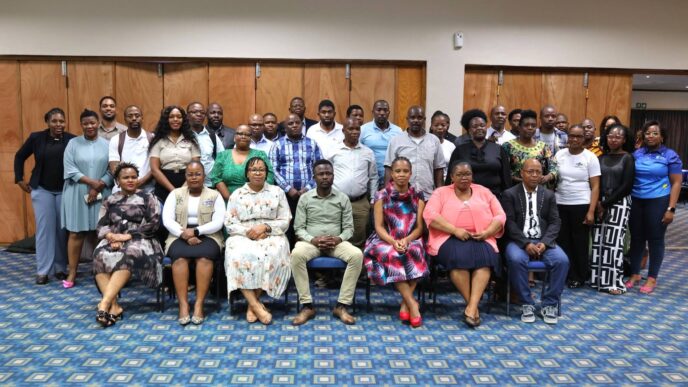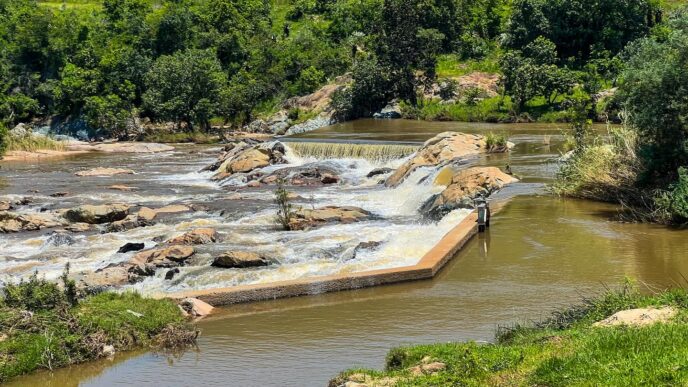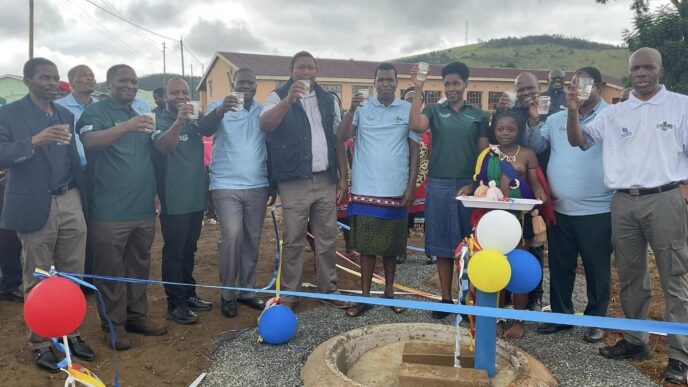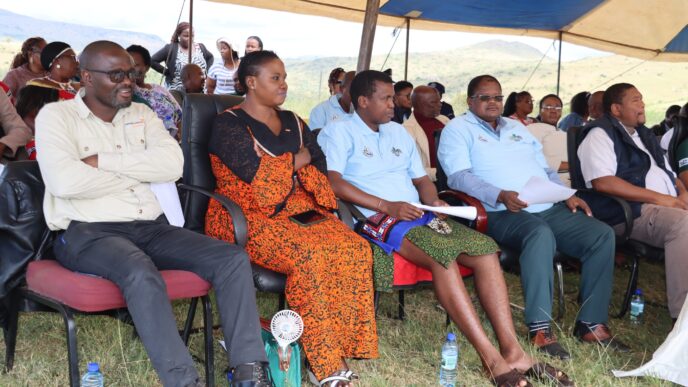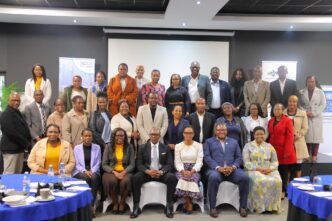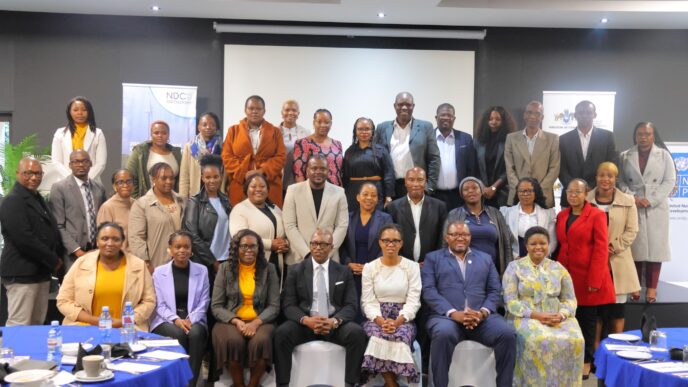


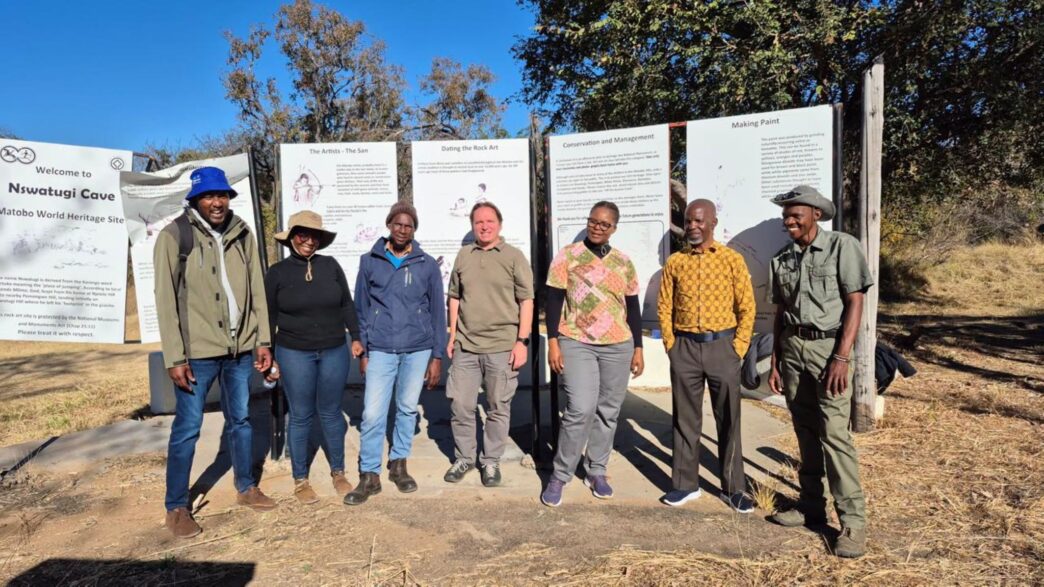
Matobo Hills, Zimbabwe – Heritage practitioners, site managers, community representatives, guides and tourism stakeholders from six southern African countries visited Nswatugi and Pomongwe Caves as well as World View in Matobo Hills, Zimbabwe, as part of a regional training programme on heritage interpretation and storytelling.
The field visit, which took place as part of ongoing training coordinated by the UNESCO Regional Office for Southern Africa (UNESCO ROSA), brought together participants from Botswana, Eswatini, Lesotho, Namibia, South Africa and Zimbabwe.
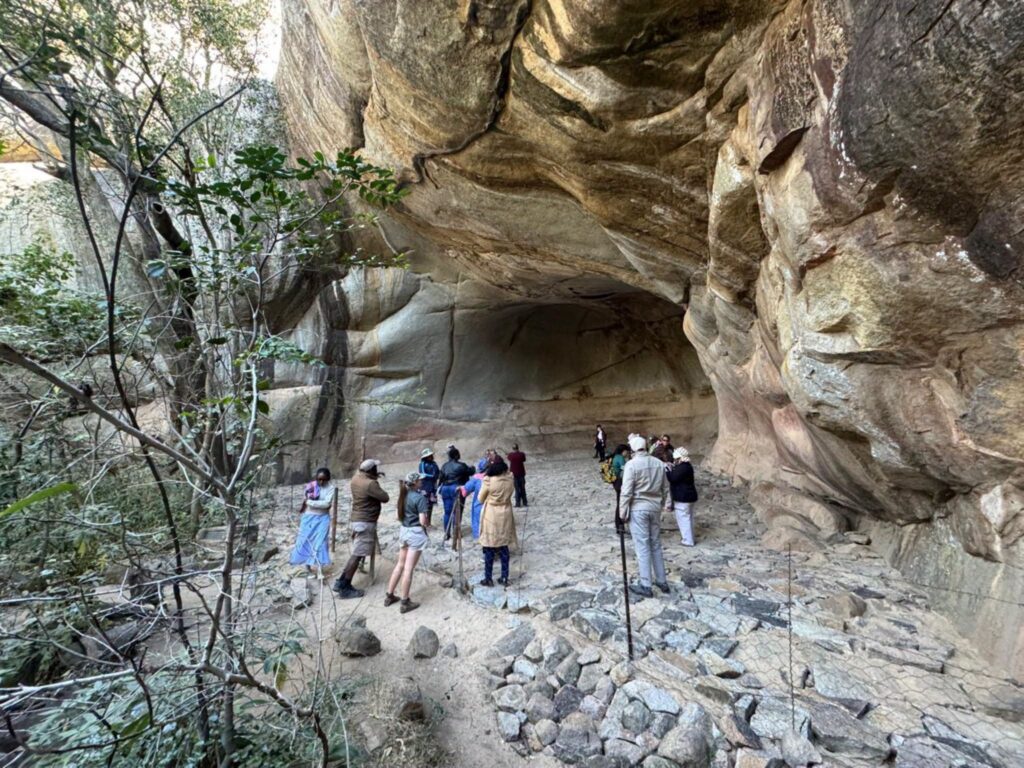
The visit gave participants an opportunity to observe the sites through the lens of a visitor, reflecting on how stories can reveal the significance of landscapes, rock art, cultural traditions and the connections between people and place. 
Organisers said the practical experience was designed to show that interpretation goes beyond sharing facts. It is about uncovering the layers of meaning that make heritage sites memorable, engaging and relevant to diverse audiences, while respecting the authenticity of local knowledge and living heritage.
The site visits are expected to inform the development and refinement of Interpretation and Storytelling Frameworks for six participating heritage sites across the region, ensuring that local voices, community knowledge and cultural values continue to shape authentic and meaningful visitor experiences.
The training forms part of the Africa-Europe Partnerships for Culture programme and is implemented by UNESCO ROSA with the support of the European Commission.