


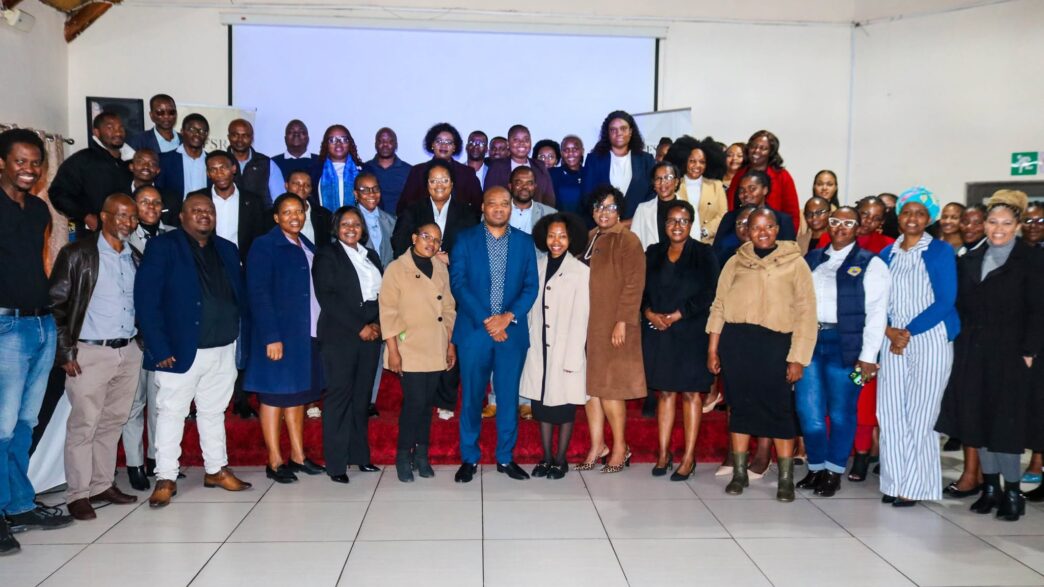
Mbabane – The Financial Services Regulatory Authority (FSRA) brought together compliance officers and industry stakeholders at the Sibanesami Hotel this week for a two-day engagement focused on strengthening the financial sector’s defences against money laundering, terrorism financing and proliferation financing.
The workshop, held from 25 to 26 August 2026, addressed gaps related to Immediate Outcomes 3 and 4, covering institutional risk assessments, Customer Due Diligence (CDD) requirements, the identification and verification of Ultimate Beneficial Ownership (UBO), transaction monitoring, and feedback on Suspicious Transaction Reports (STRs).
FSRA Chief Executive Officer Ncamiso T. Ntshalintshali told attendees that the fight against financial crime goes beyond ticking regulatory boxes. 
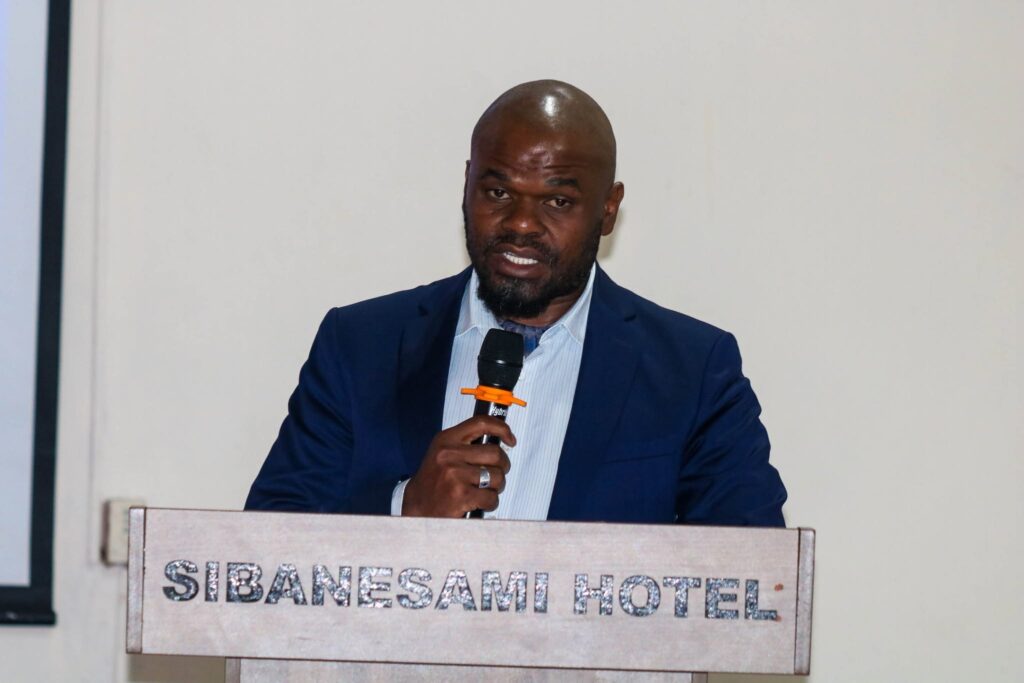
“It demands a shared commitment across the financial sector. Through continuous engagement, collaboration, and knowledge-sharing, stakeholders can strengthen their collective defences and protect the integrity of Eswatini’s financial system,” he said.
General Manager for Market Conduct Zama Dlamini added that having rules and policies on paper was no longer enough.
“It is no longer sufficient to merely have rules and policies in place,” Dlamini said, stressing the need to prove their effectiveness through a risk-based approach, robust risk assessments, enhanced customer due diligence and ongoing training.
Participants described the sessions as informative and valuable, particularly the discussions on Customer Due Diligence, Transaction Monitoring and Suspicious Transaction Reports. They also called for more frequent engagements, practical case studies, sector-specific guidance, deeper training on Beneficial Ownership and the Risk-Based Approach, and greater use of technology in Know Your Customer (KYC) processes, record-keeping, transaction monitoring and STR reporting.