

GABORONE, Botswana – May 1, 2025:
The Southern African Development Community (SADC) Secretariat has initiated a comprehensive review of its donor and member-funded projects under “Channel One” to tackle delays and improve implementation outcomes.
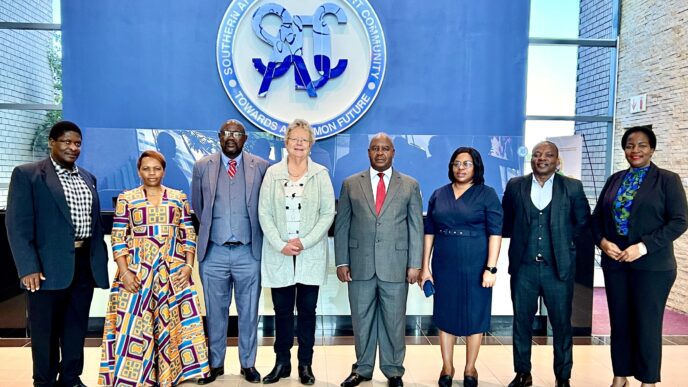
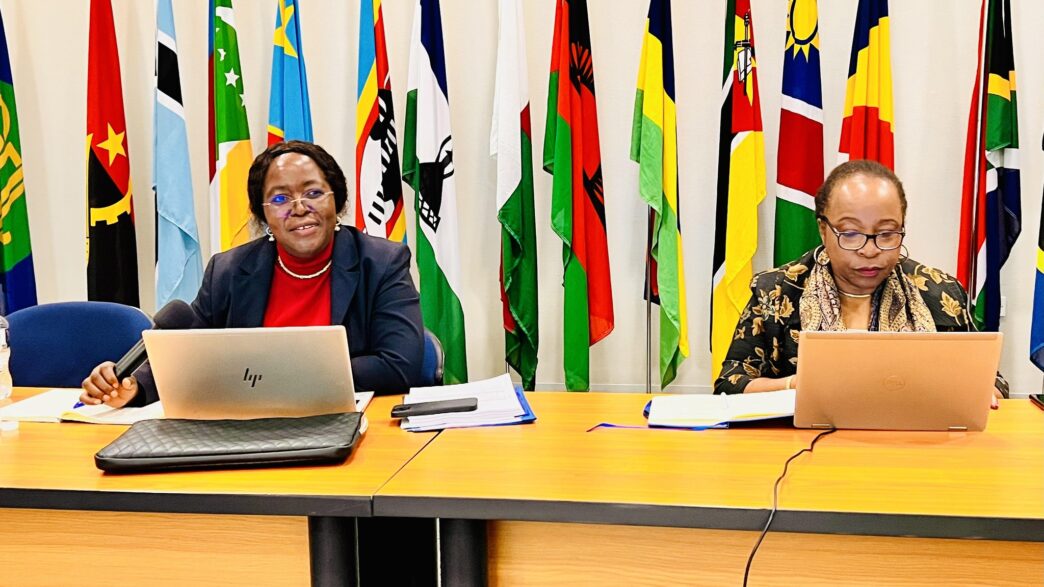
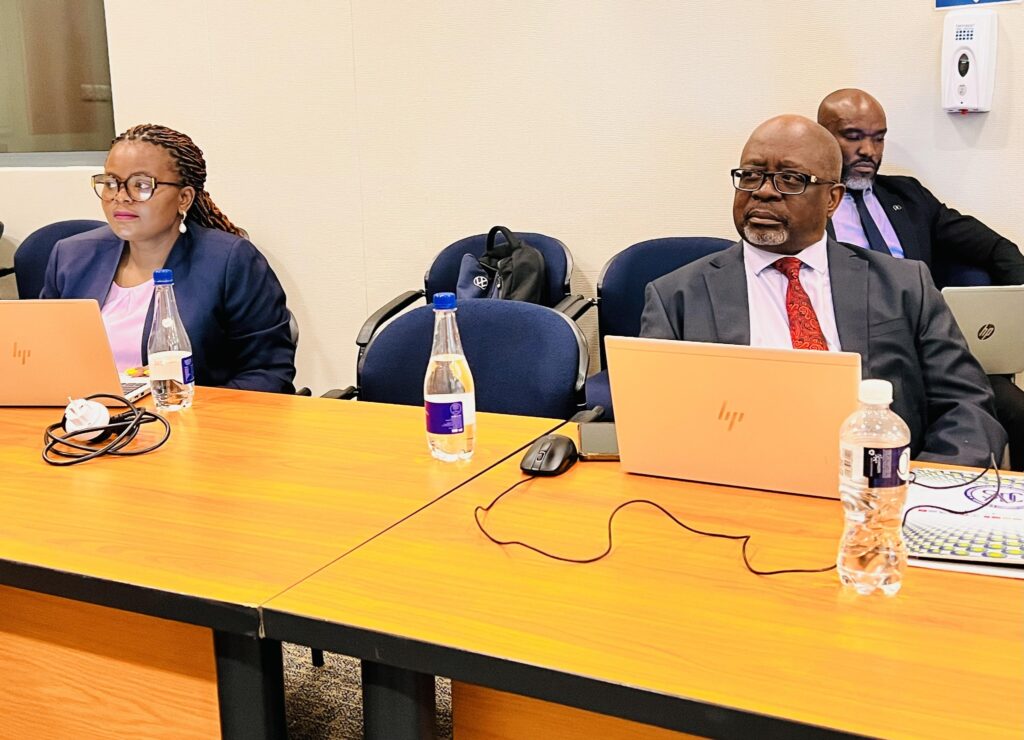
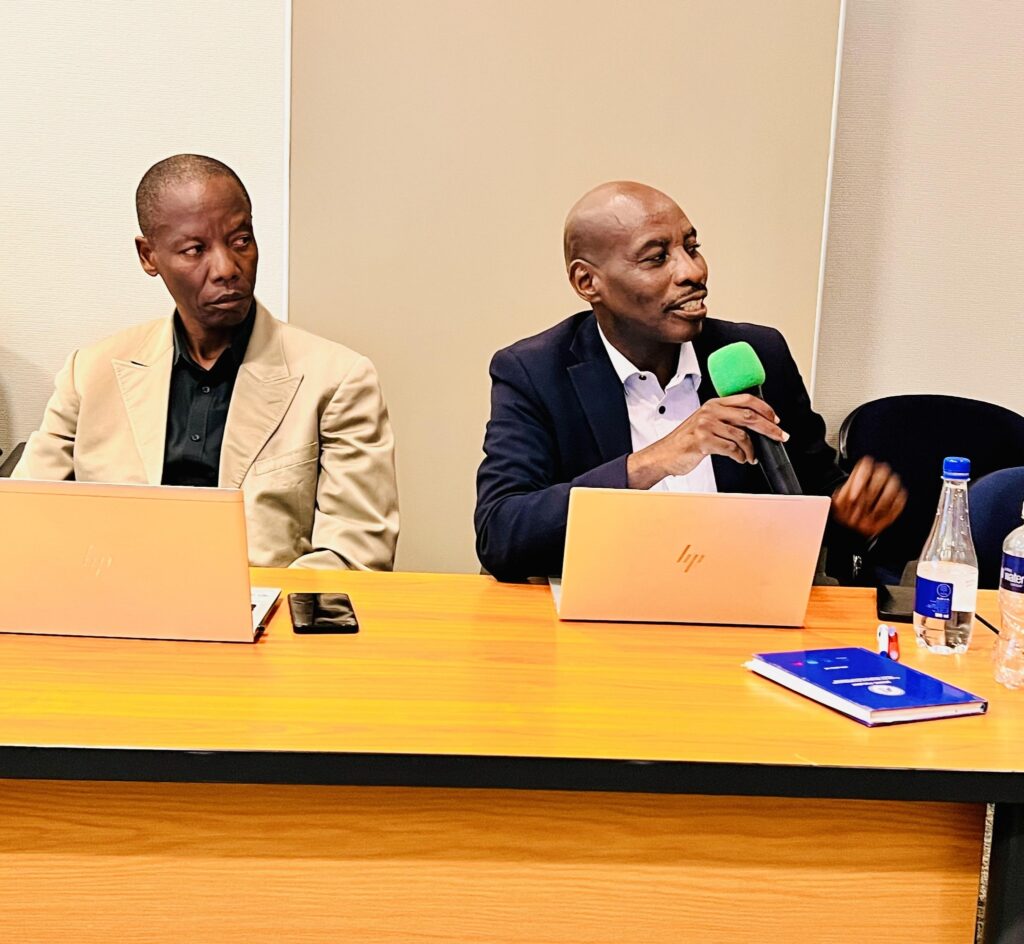
Held at the SADC Headquarters on April 29, the session brought together project managers, directors, and unit heads to assess progress and bottlenecks in programme delivery across the region. The review was led by the Directorate of Policy Planning and Resource Mobilisation, supported by the Project Management Support Unit (PMSU), which presented a detailed analytical report on current projects.
The meeting was co-chaired by Deputy Executive Secretary for Regional Integration Angele Makombo N’Tumba and Deputy Executive Secretary for Corporate Affairs Dr. Judith Kateera. Both officials urged project teams to identify and resolve operational inefficiencies early. They referenced leadership lessons from Arnold Glasow, warning that unaddressed problems often evolve into crises. 
Participants reviewed 12 regional projects across sectors including peace and security, HIV response, disaster management, infrastructure, climate resilience, and economic integration. All projects are aligned with SADC’s 10-year blueprint – the Regional Indicative Strategic Development Plan (RISDP) 2020–2030 and Vision 2050.
Among the projects reviewed was the EU-APSA initiative, funded with €5.1 million to strengthen SADC’s conflict prevention mechanisms. The ECESPA project, worth $13.8 million, also focuses on regional security and bolstering the capacity of non-state actors in early conflict detection.
The SADC HIV Special Fund, funded through member contributions, was also evaluated. It continues to serve as a catalyst for national HIV/AIDS responses and short-term interventions. In the climate space, the Regional Climate Resilience Program (RCRP), backed by $5 million from the World Bank, targets communities vulnerable to extreme weather.
The PROFISHBLUE project, supported by the African Development Bank with over $10 million, was noted for its efforts to promote sustainable fisheries and blue economy initiatives. Meanwhile, the Disaster Risk Management Strengthening initiative, valued at $4.6 million, focuses on strengthening early warning systems and disaster preparedness in partnership with the Red Cross.
Other programmes include the RINAWA project on sustainable waste and natural resource management (€5.8 million), Macroeconomic Stability and Financial Integration ($6.6 million), and the CLIMSA programme (€8 million) on climate data access and response.
On transport and border trade, the Trade and Transit Facilitation Project (TTFP), funded by AfDB, supports customs and transport infrastructure along the North-South Corridor. The SADC Regional Statistics Project, with $10 million support from the World Bank, is working to harmonise data systems and improve access to regional statistics.
Officials at the meeting agreed to step up internal controls, enhance communication, and push for faster implementation to ensure the projects deliver meaningful results to citizens in Eswatini and across the SADC region.




![India’s Foreign Secretary Vikram Misri addresses a press conference, in New Delhi, India on Wednesday [Manish Swarup/AP Photo]](https://swazi24.com/wp-content/uploads/2025/05/AP25127212682141-1746597678-scaled-1-332x227.webp)
![India’s Foreign Secretary Vikram Misri addresses a press conference, in New Delhi, India on Wednesday [Manish Swarup/AP Photo]](https://swazi24.com/wp-content/uploads/2025/05/AP25127212682141-1746597678-scaled-1-688x387.webp)