


Eswatini is working to establish a nationally harmonised standard for meat grading and classification, addressing a long-standing gap that has left producers, abattoirs, traders and consumers without a common framework for assessing meat quality.
The absence of such a standard has resulted in inconsistent pricing, limited incentives for quality improvement and constrained market growth across the livestock sector.
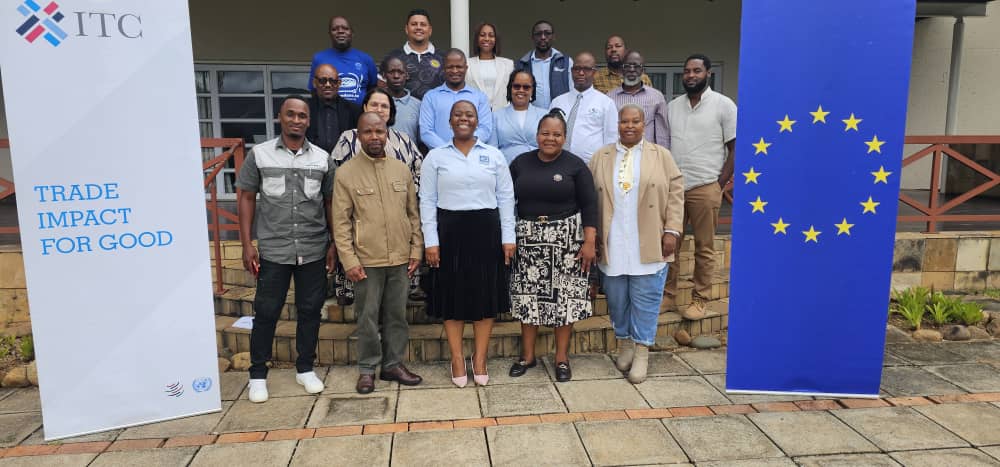
To address this, the Eswatini Standards Authority, known as Eswasa, convened a two-day Technical Committee meeting on Meat and Meat Products, with support from the European Union in Eswatini through the International Trade Centre. The meeting, held under Technical Committee 31, focused on developing a national standard for the grading and classification of meat carcasses. 
The standards are designed to promote transparency and fairness in meat pricing, reducing disputes between farmers, abattoirs and buyers over carcass value.
The initiative directly supports the Ministry of Agriculture’s Eswatini Livestock Value Chain Development Program, which seeks to improve productivity, quality assurance and market access across the livestock sector.
Stakeholders who attended the meeting included representatives from the Ministry of Agriculture, the Ministry of Health, the Eswatini Competition Commission, Happy Horns, the University of Eswatini, Tinsuka TakaNgwane, RES Corporation, the Municipal Council of Mbabane, Umbuluzi Valley Sales, Bushland’s Butcheries and Embiveni Meats, also known as Eswatini Meat Industries.