

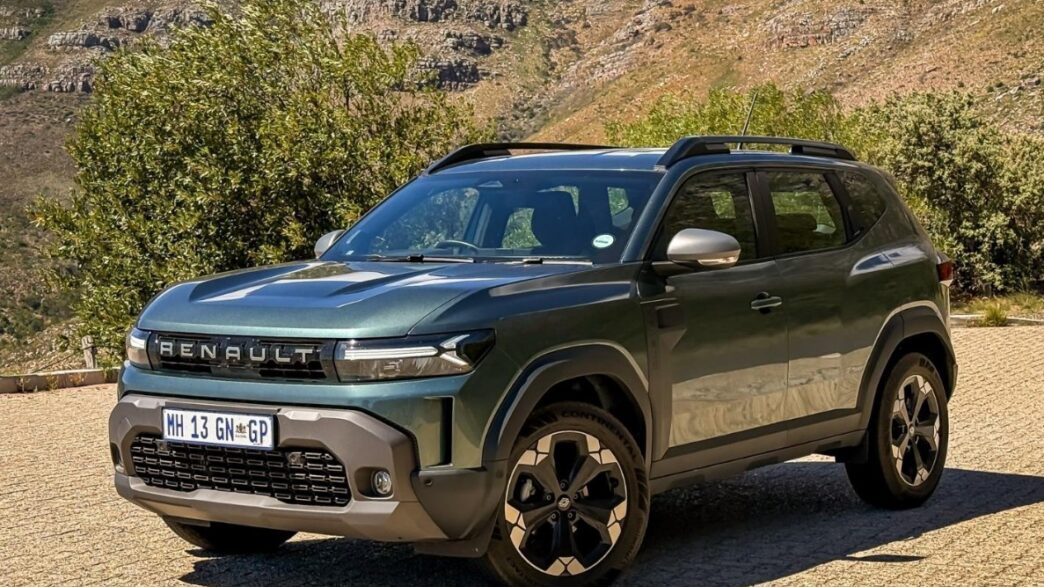
The third-generation Renault Duster has arrived in South Africa, and it is a very different machine from the honest, no-frills SUV that won over so many buyers when it first launched. A new platform, a complete redesign and a turbocharged petrol engine have moved the Duster firmly upmarket, but that shift comes at a cost.
Priced at E519,999, the Duster 1.3T Intens is no longer the budget champion it once was. For emaSwati who frequently cross into South Africa to buy cars, or those simply keeping an eye on the regional market, this is a vehicle worth knowing about.
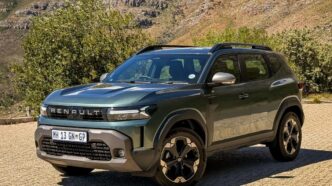
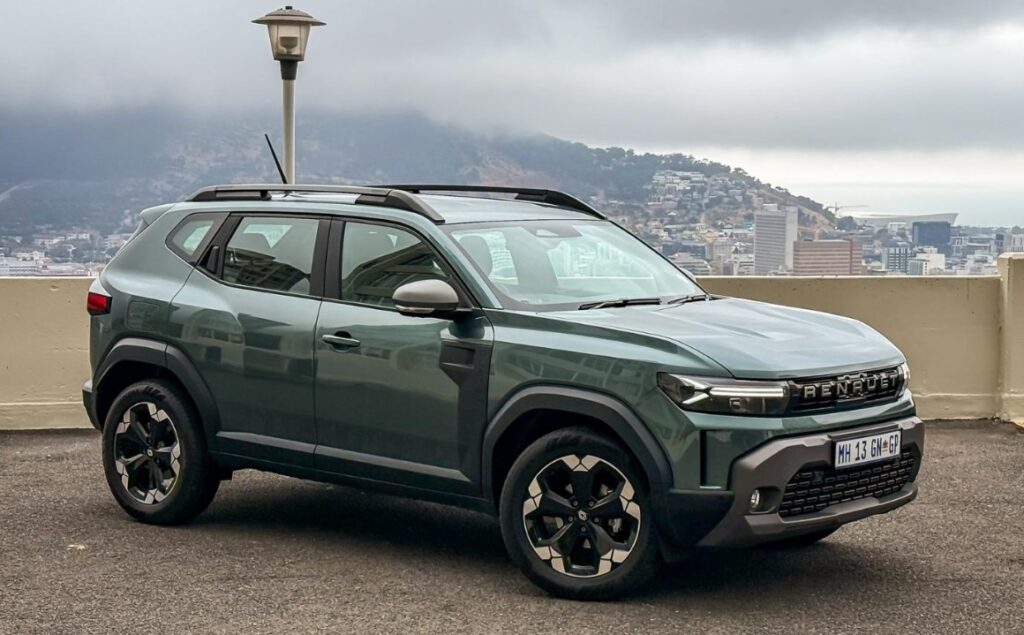
The new Duster looks the part. The softer styling of previous generations has been replaced by a more muscular, angular appearance. The front gets a large, wide grille flanked by LED headlights with Y-shaped LED daytime running lights. The Renault diamond badge is gone, replaced by the brand name spelled out in block letters across the bonnet. Pronounced unpainted cladding runs down the sills and over the wheel arches, keeping the rugged SUV character alive, while 18-inch wheels on the Intens trim give it a more planted, confident stance. 
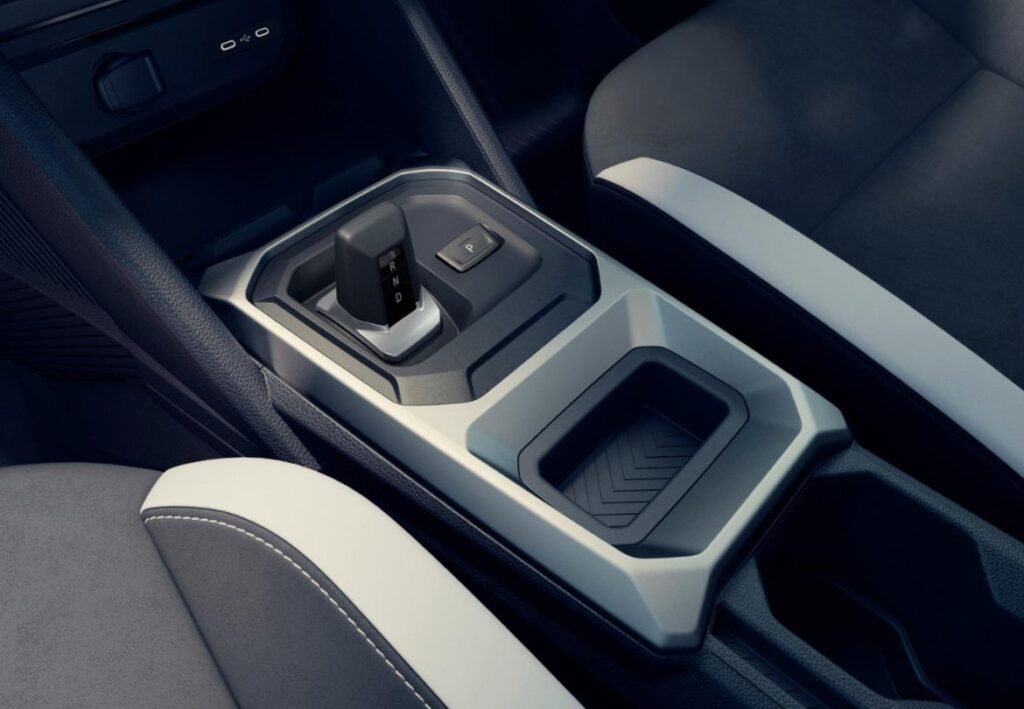
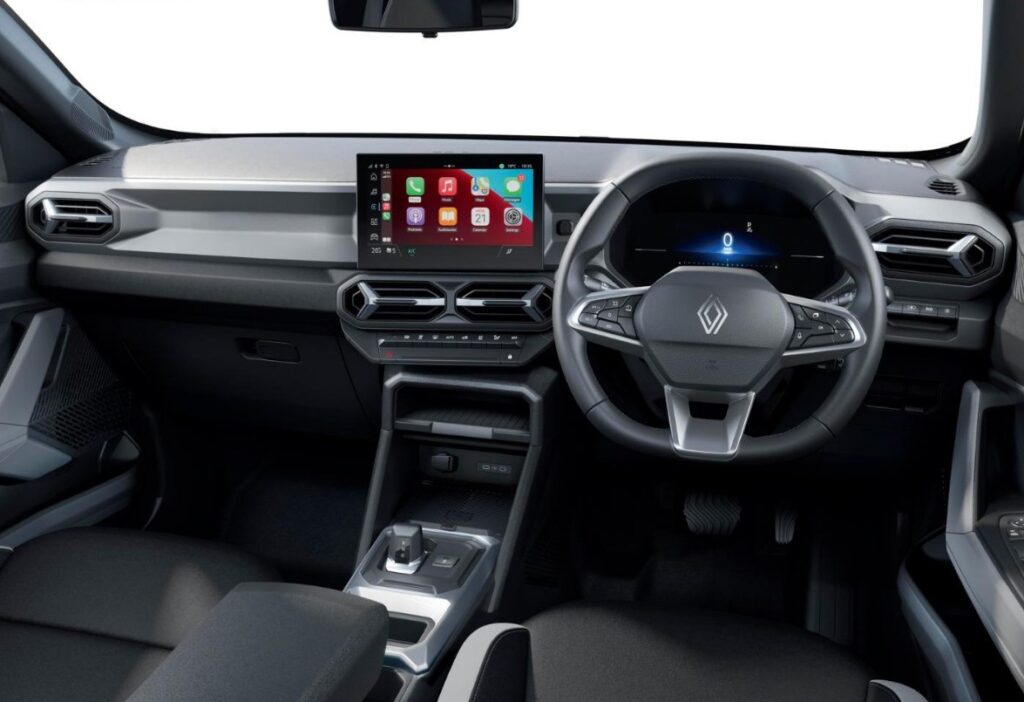
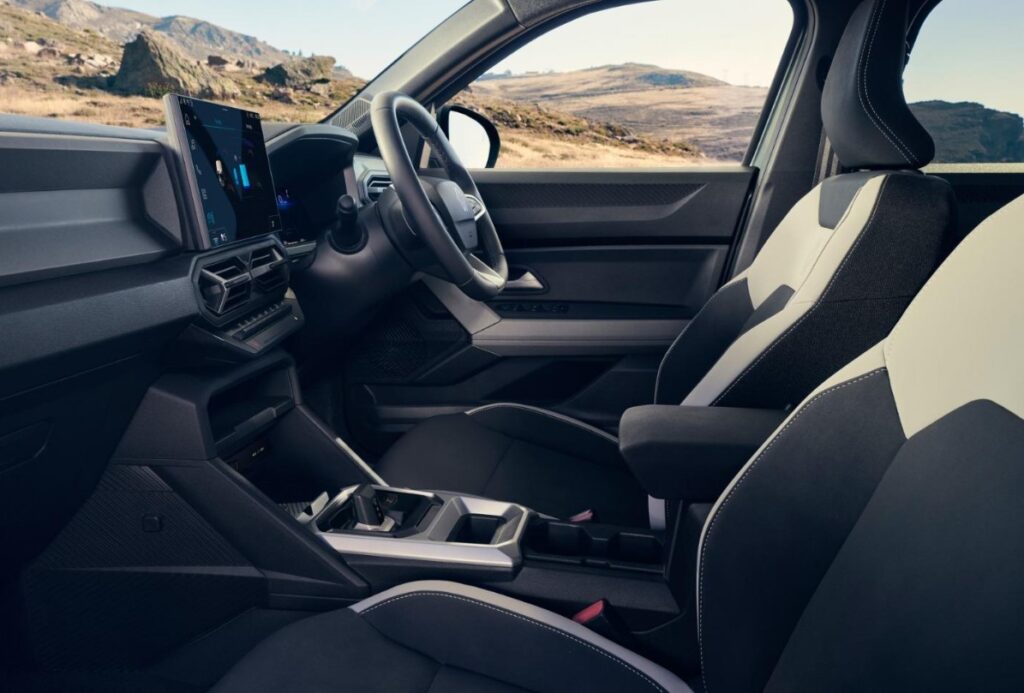
Inside, the Duster stays true to its roots. Hard plastics dominate, but they are pleasant and well put together. The fabric seats are comfortable enough for most, though some may find them a little narrow. A 7-inch digital driver display handles the instrument cluster, while a 10.1-inch touchscreen takes care of infotainment with Android Auto and Apple CarPlay. Physical climate control toggles sit below the screen, wireless charging is standard and USB-C ports keep devices powered up.
The diesel engine that many loved in previous generations is gone. Renault has replaced it with a 1.3-litre turbocharged petrol unit producing 113 kW and 250 Nm of torque, paired to a 7-speed dual-clutch gearbox driving the front wheels. A hybrid option is available on the range-topping variant, but was not part of this test.
On the road, the Duster impressed. It handled Cape Town’s tight city streets with ease and felt equally at home on the highway, where it showed composed, surefooted manners that make long-distance driving genuinely enjoyable. The engine delivers power with urgency, and the gearbox is well calibrated, a weakness in many rivals in this class.
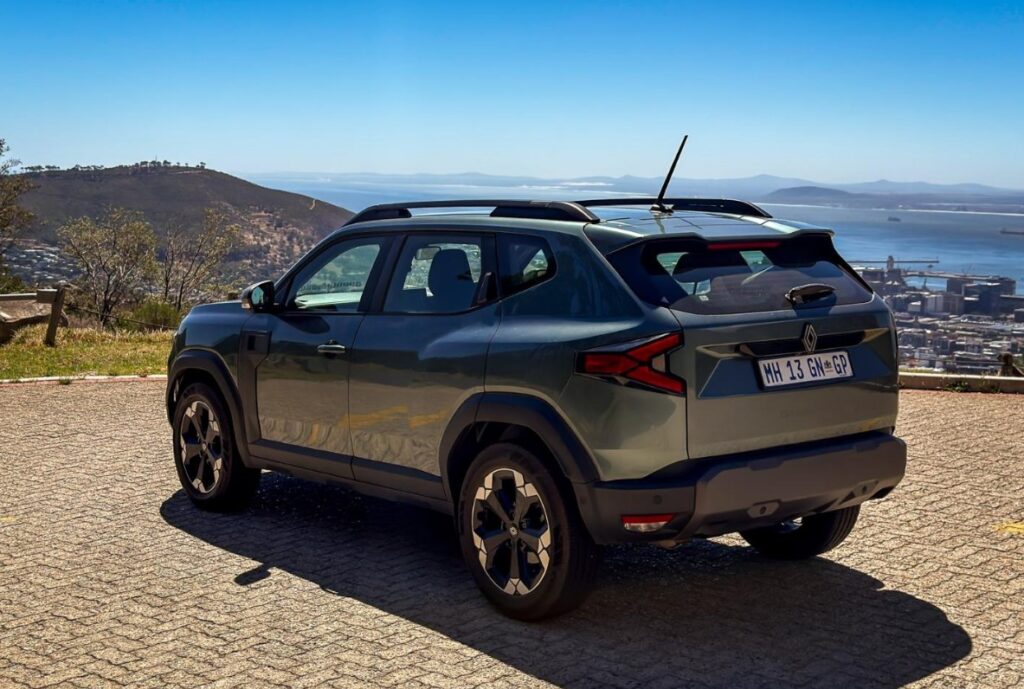
Fuel consumption is a highlight. Renault claims 6.5 litres per 100 kilometres, and the test returned 6.4 litres per 100 kilometres with mixed driving, without any deliberate effort to save fuel. With a 50-litre tank, the Duster offers a real-world range of around 769 kilometres.
Safety equipment on the Intens trim includes six airbags, ABS, EBD, stability control, blind spot detection, a 360-degree camera and sensors, plus auto headlights and wipers. Euro NCAP awarded the Dacia version of this model three stars, with scores of 70 percent for adult occupant protection, 84 percent for child occupant protection, 60 percent for vulnerable road users and 57 percent for safety assist systems.
The Duster comes backed by a five-year/150,000 km warranty, a three-year/45,000 km service plan and a six-year anti-corrosion warranty.
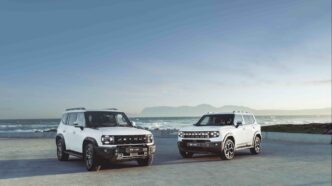
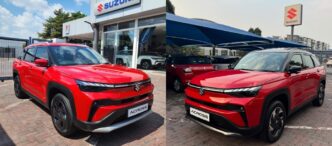
At E519,999, its closest rivals include the Volkswagen T-Cross 1.0TSI at E511,300, the Kia Seltos 1.5 EX at R532,995 and the Jaecoo J7 1.6T Vortex at E519,900. The Chinese competition in particular offers more power and a longer spec list at similar money, which makes the Duster’s value proposition harder to defend than it once was.