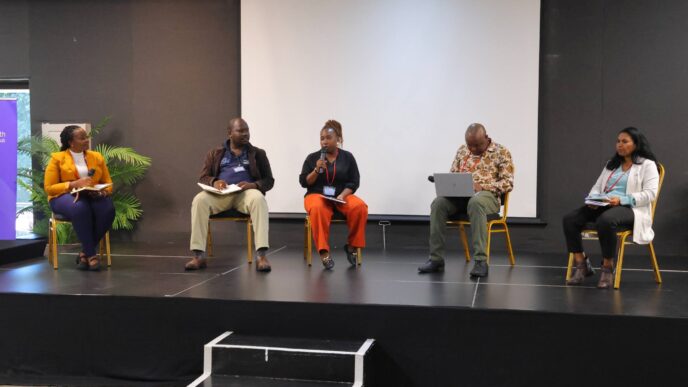


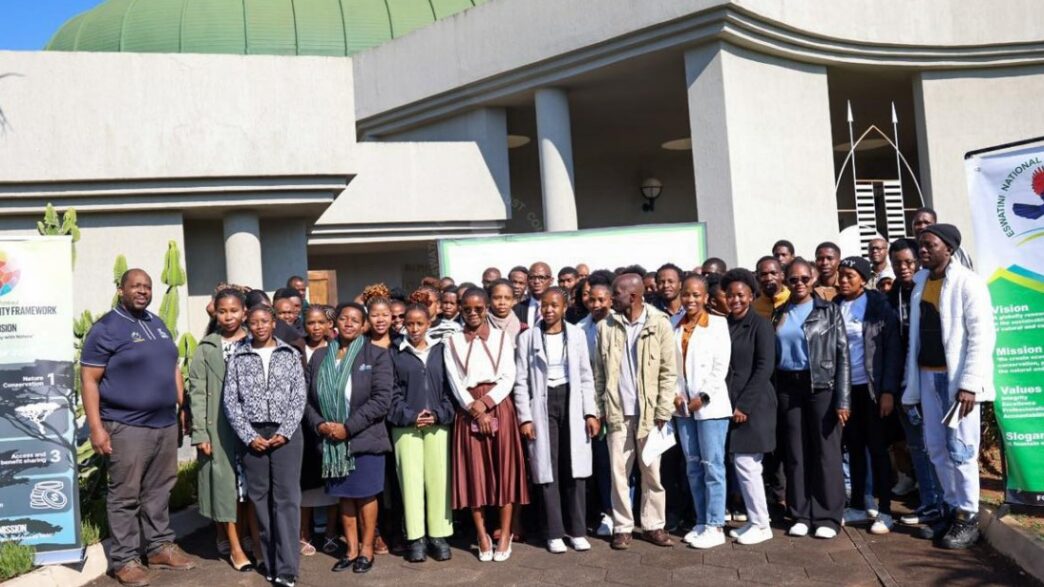
Mbabane – The Eswatini National Trust Commission convened a Youth Engagement Workshop at King Sobhuza Memorial Park on Monday, bringing together young people to play a more active role in biodiversity conservation and climate action in the Kingdom.
The workshop was held under the theme “Strengthening Youth Engagement in the Implementation of the NBSAP 3.0 and Nationally Determined Contributions (NDC 3.0).”
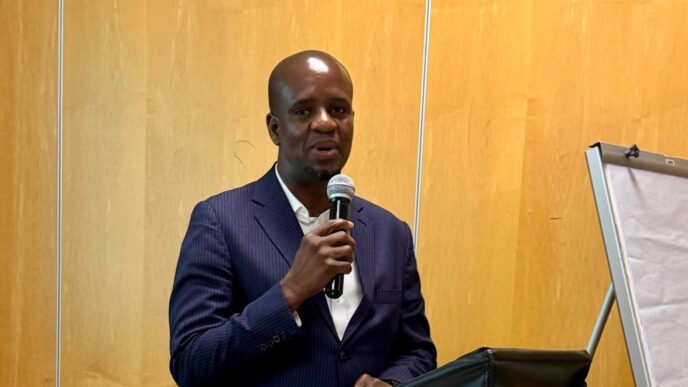
ENTC Chief Executive Officer Thulani Methula told participants that the Commission’s mandate goes beyond safeguarding protected areas, biodiversity, and cultural heritage, to ensuring that communities, particularly the youth, are equipped to take ownership of this heritage. 
He said the environmental challenges facing Eswatini, including climate change, biodiversity loss, and land degradation, cannot be addressed by government alone, and that partnerships, innovation, and the active involvement of young leaders are essential. He described the workshop as a bridge between national frameworks such as NBSAP 3.0 and NDC 3.0, and the lived realities of young people across the country.
Methula told participants that the workshop marks the beginning of a sustained partnership, with outcomes expected to contribute directly to the ongoing review of NBSAP 3.0 and the strengthening of NDC 3.0 implementation. He encouraged participants to actively engage, share ideas, and commit to meaningful action, adding that the Commission remains committed to supporting youth-led initiatives through mentorship, technical expertise, and collaborative opportunities.
Acting Principal Secretary for the Ministry of Tourism and Environmental Affairs Dudu Nhlengethwa-Masina commended ENTC and the Ministry’s Climate Change Unit for facilitating the engagement and advancing youth inclusion in environmental governance.
She told delegates that Eswatini is facing escalating environmental challenges where climate change, biodiversity loss, and land degradation are increasingly impacting livelihoods, food security, and water resources. She noted that despite young people making up a significant portion of the population and being the inheritors of the country’s natural heritage, their participation in environmental governance has remained limited due to a persistent participation gap.
The Acting PS said the ongoing revision of NBSAP 3.0 presents a timely opportunity to reposition youth as active contributors and leaders in biodiversity conservation, while the NDC 3.0 framework provides a strategic entry point for integrating ecosystem restoration and sustainable land management into climate resilience efforts.
She said the workshop aims to break down traditional silos and empower youth to lead integrated solutions that address both climate and biodiversity priorities, before officially declaring the workshop open.
She reaffirmed the Ministry’s commitment to supporting initiatives that strengthen youth participation in environmental governance, noting that empowering young people aligns with Eswatini’s commitments under the Kunming-Montreal Global Biodiversity Framework and the Paris Agreement.