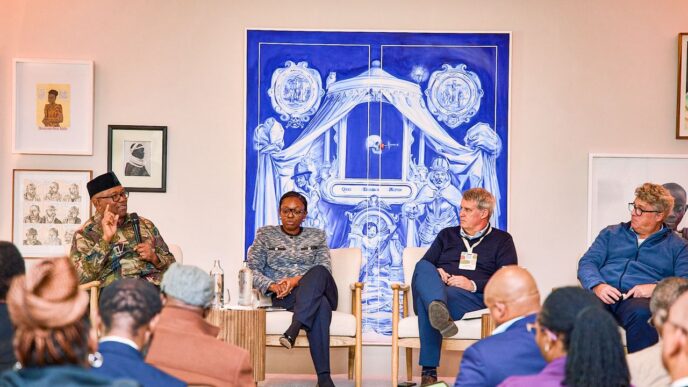




Cape Town – Former Anambra State Governor and 2023 Labour Party presidential candidate Peter Obi has held talks with three South African cabinet ministers in Cape Town, discussing the growing tensions between South Africa and Nigeria over immigration, xenophobia and regional cooperation.
Obi met with Home Affairs Minister Leon Schreiber of the Democratic Alliance, Minister of Cooperative Governance and Traditional Affairs Velenkosini Hlabisa of the Inkatha Freedom Party, and Sports, Arts and Culture Minister Gayton McKenzie of the Patriotic Alliance during his visit to the Mother City.
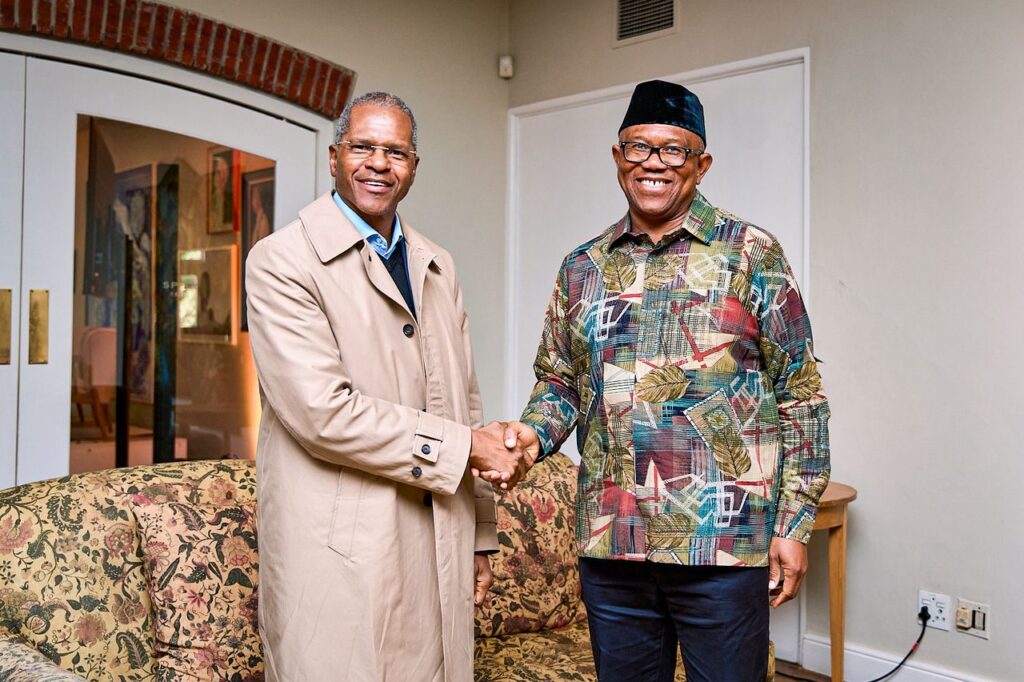
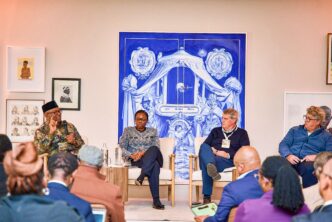
The Nigerian politician was in Cape Town to attend the Spier Dialogue 2026, a high-level forum focused on the future of Africa and the pressing challenges facing the continent, where he was scheduled to address attendees on policies geared toward growth. 
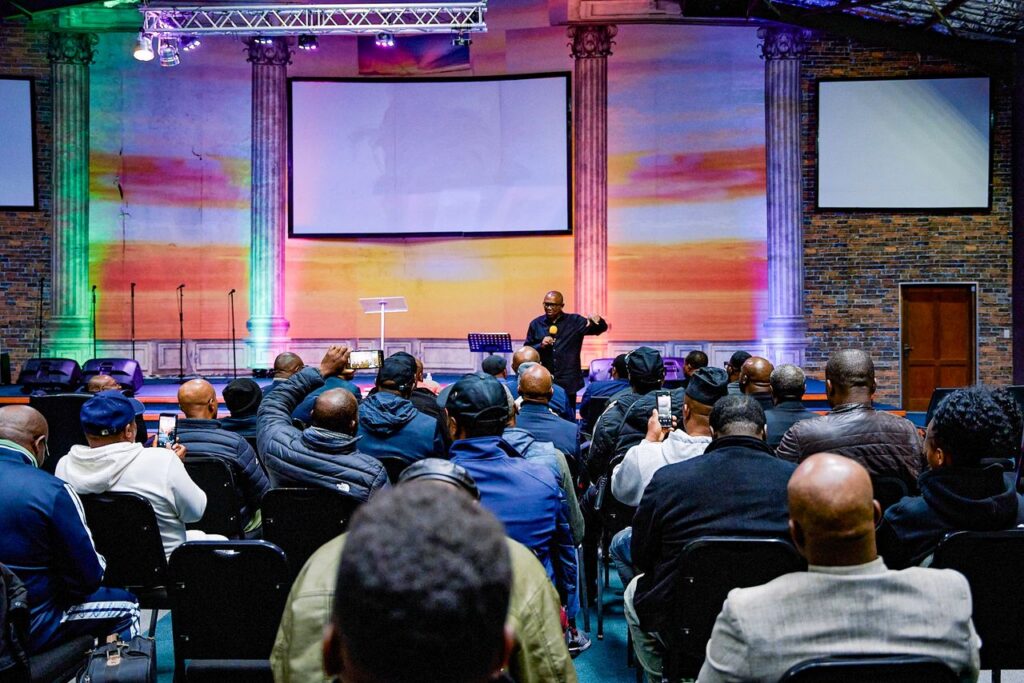
Before his ministerial meetings, Obi spent more than two hours with members of the Nigerian community in Cape Town, discussing the recent challenges affecting African expatriates living in South Africa.
Writing on social media about his ministerial engagements, Obi said the conversations were productive and candid.
“Our conversations were productive and candid, focusing on the current challenges that affect both countries, particularly those related to migration, economic strains, youth unemployment, security issues, and the rising tensions faced by African foreigners in South Africa,” he wrote.
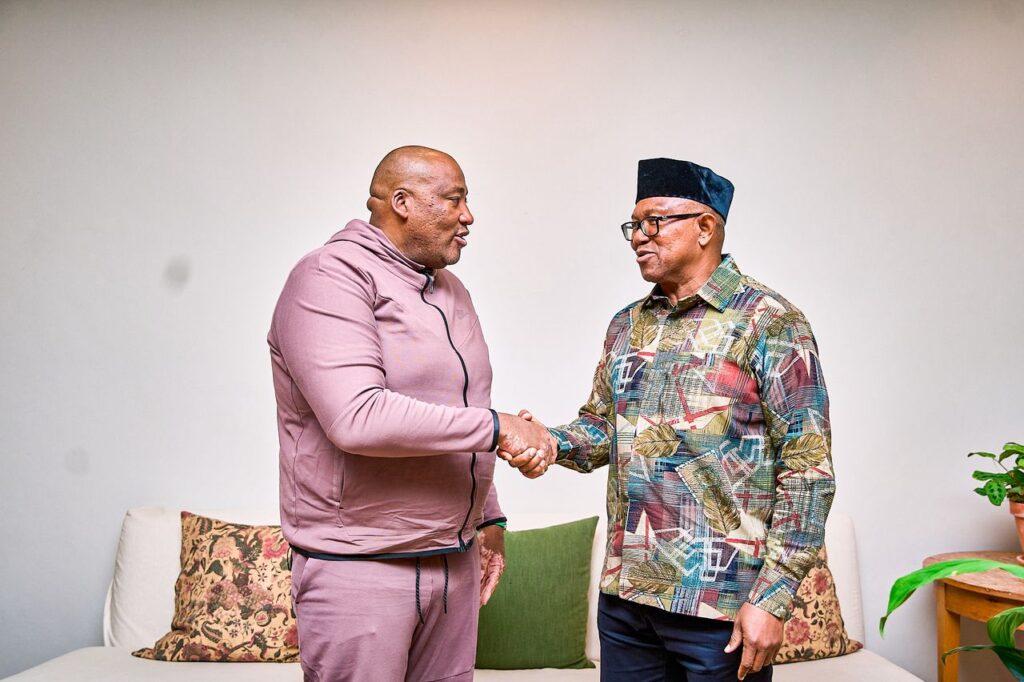
He called on both nations to step up dialogue and find solutions grounded in justice and mutual respect.
“I firmly believe that Nigeria and South Africa, both prominent African nations, must enhance dialogue, bolster cooperation, and seek solutions based on justice, mutual respect, and adherence to the rule of law. In challenging times, leaders and citizens alike need to demonstrate responsible leadership, compassion, and restraint,” he said.
Obi said all parties at the meetings agreed on the need for law-abiding behaviour and restraint, urging people on both sides to allow democratic and constitutional institutions to handle grievances rather than resorting to violence or hate.
“The progress of Africa hinges on our ability to create unity, foster economic inclusivity, invest in our communities, and uphold the dignity of every African, no matter where they live,” he added.
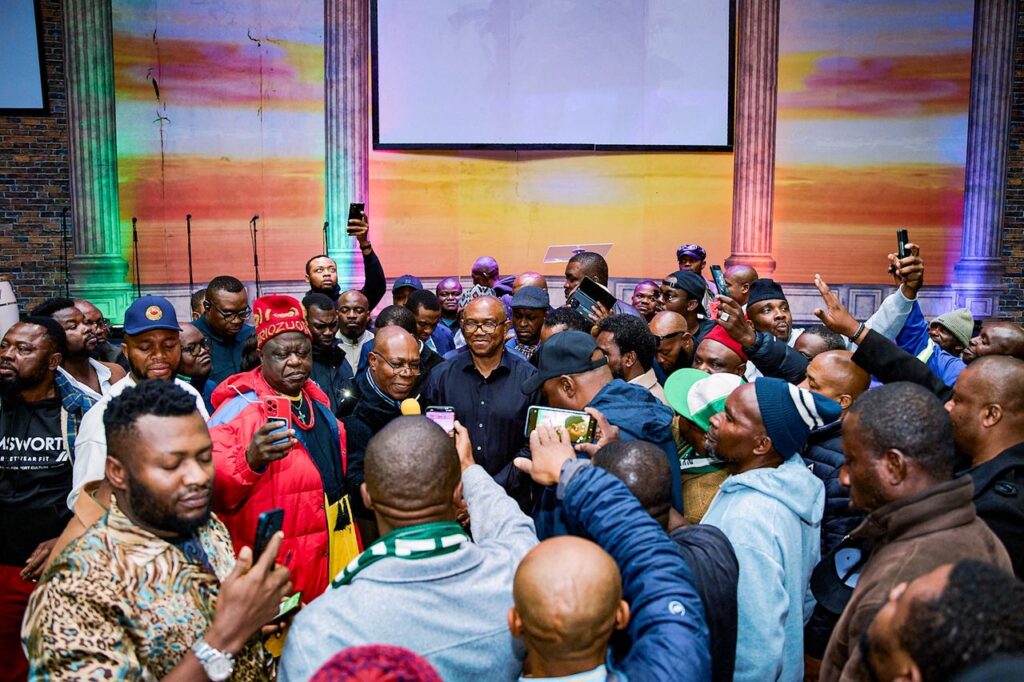
Reflecting on the broader purpose of his Cape Town visit, Obi said Africa needed to move away from poverty and division toward production and competent leadership.
“Africa’s future should not be characterised by poverty amid abundance or by division instead of development. It is time for us to transition from consumption to production, from divisive politics to politics built on competence and compassion, and from mere promises to tangible progress that serves everyday citizens,” he wrote.