

Pretoria – South Africa has wrapped up a major national consultation process on biodiversity, with strong calls for communities, young people and traditional knowledge holders to be placed at the centre of the country’s environmental strategy.
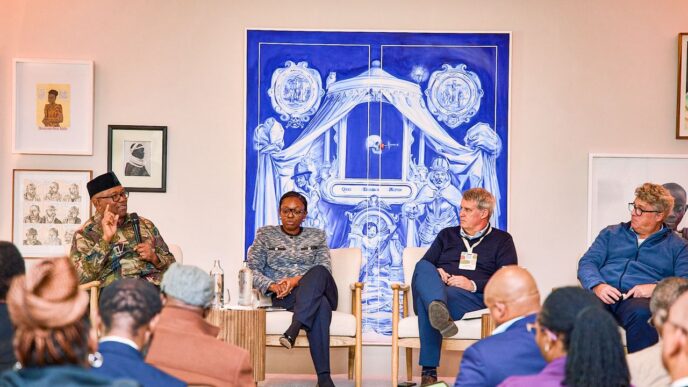
The two-day National Biodiversity Strategy and Action Plan (NBSAP) Consultative Conference was held in Boksburg, Gauteng, from 20 to 21 May 2026, drawing more than 400 delegates from government, civil society, academia, Indigenous Peoples and local communities, youth formations, the private sector and development partners.
The conference was convened by the Department of Forestry, Fisheries and the Environment as part of South Africa’s programme leading up to the International Day for Biological Diversity 2026 Global Flagship Event, which the country hosted on 22 May under the theme “Acting Locally for Global Impact.” 
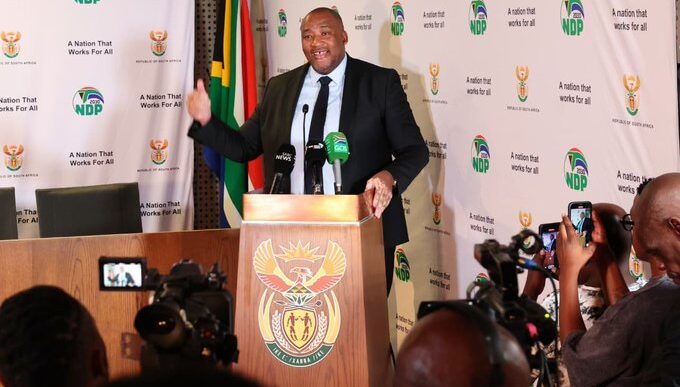
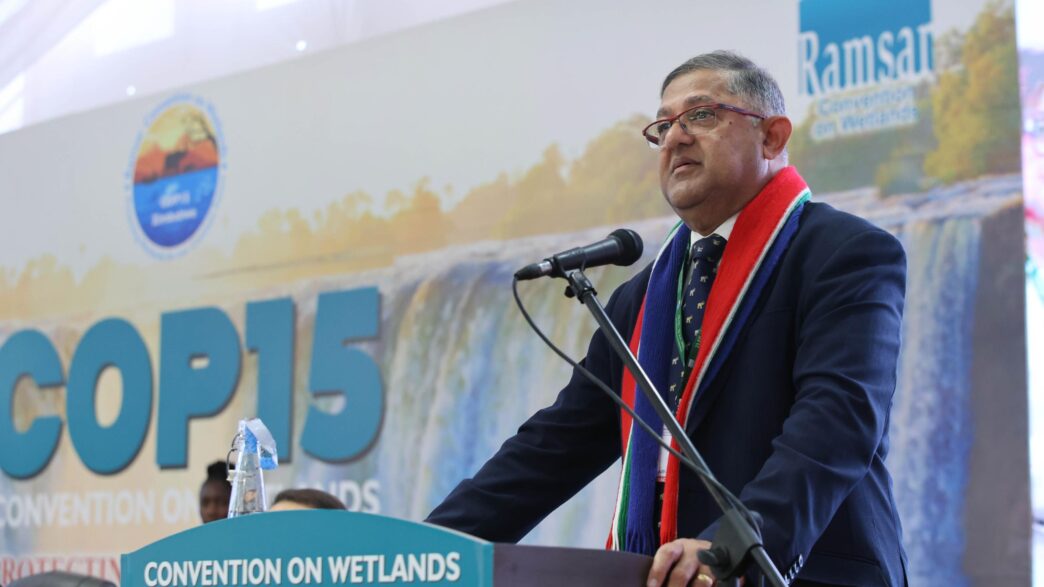
Deputy Minister of Forestry, Fisheries and the Environment, Narend Singh, said the outcome of the conference gave the country a solid foundation for the next phase of biodiversity implementation.
“The successful conclusion of this Consultative Conference gives South Africa a strong foundation for the next phase of biodiversity implementation. What emerged clearly is that biodiversity action must be people-centred, locally driven and adequately supported,” Singh said.
“As we move toward finalising the NBSAP, communities, municipalities, young people, traditional knowledge holders and all sectors of society must remain active partners in protecting nature while advancing livelihoods, resilience and sustainable development,” he added.
The gathering marked a key step toward finalising South Africa’s revised NBSAP, the country’s main instrument for implementing the Convention on Biological Diversity at the national level.
Delegates welcomed the department’s efforts to ensure broad participation and alignment with the principles of the Kunming-Montreal Global Biodiversity Framework through what was described as a whole-of-government and whole-of-society approach.
A strong focus was placed on ensuring that biodiversity policies deliver real benefits at community level, particularly through job creation, sustainable livelihoods and improved local participation in conservation efforts.
Among the key recommendations to emerge from the conference was the need to strengthen financial and institutional support for municipalities, which delegates identified as critical to the implementation of biodiversity and service delivery goals.
Participants also called for stronger collaboration with the South African Local Government Association to support conservation and sustainable use initiatives at grassroots level, and for accessible financial resources to be directed toward communities to support locally led conservation projects and nature-positive economic opportunities.
Delegates further stressed that investment in skills development, project preparation and biodiversity enterprises would be essential to unlocking funding and creating sustainable economic opportunities.
Youth participation featured prominently in discussions, with delegates calling for greater opportunities for young people in biodiversity leadership, innovation and employment.
The role of Indigenous and local knowledge systems in conservation, restoration and biodiversity stewardship was also recognised as a critical component of South Africa’s biodiversity strategy.
Following the conference, the draft NBSAP will be revised to incorporate inputs received from communities, traditional leaders, traditional healers, youth formations, academia, civil society and the private sector. The revised document will then go through intergovernmental processes before being released for a 30-day public comment period, after which the final strategy will be submitted to Cabinet for approval.
South Africa aims to submit the completed NBSAP to the Convention on Biological Diversity ahead of COP17, scheduled to take place in Yerevan, Armenia, in October 2026.