

The Central Bank of Eswatini is moving towards licensing eight cooperative banks as part of a broader drive to deepen financial inclusion, support entrepreneurship and widen access to credit for emaSwati currently underserved by the formal banking system.
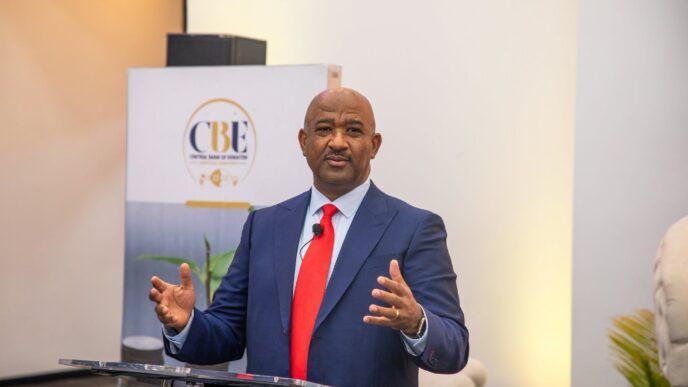
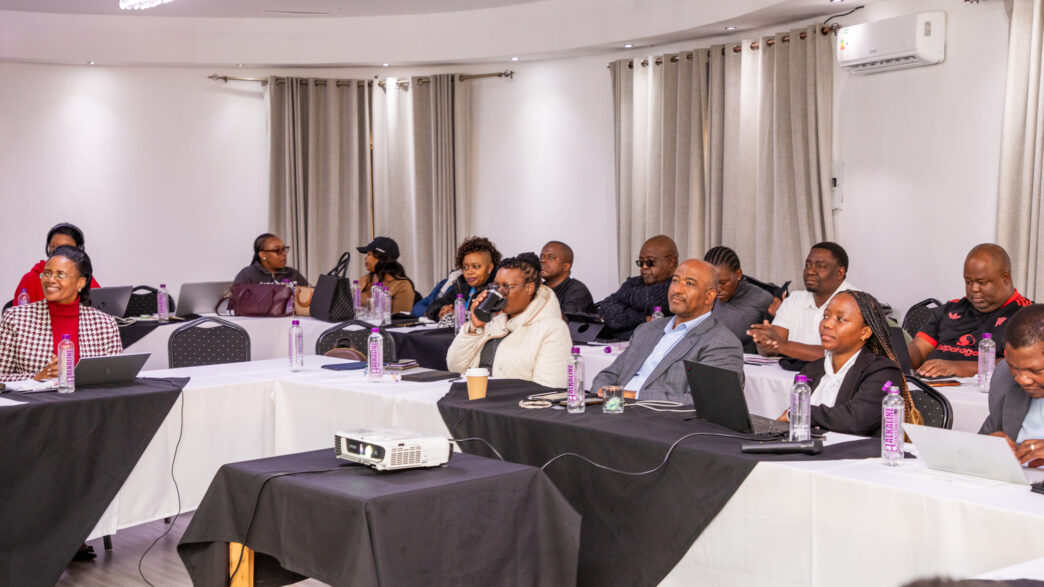
Governor Dr. Phil Mnisi announced the initiative at the Governor’s Annual Media Engagement Session at Sibebe Resort on Friday, where he outlined several reforms aimed at modernising the financial sector.
The Central Bank has already completed benchmarking research and developed a strategic policy note evaluating the regulatory landscape governing savings and credit cooperative societies. 
“In support of Government cooperative banking initiatives, the bank conducted a benchmarking study and developed a strategic policy note,” Dr. Mnisi said.
He explained that the policy note assesses existing regulatory frameworks and provides a roadmap for transitioning cooperative societies into licensed banking institutions.
“This initiative is designed to deepen financial inclusion, drive economic development and foster sustainable business growth,” he said.
“In that regard, the bank is working towards establishing a framework for licensing eight cooperative banks in Eswatini, drawing lessons from international best practices to make this vision a reality.”
On concerns about whether Eswatini risks becoming overbanked, Dr. Mnisi said the Central Bank scrutinises every licence application to ensure it serves a specific market gap rather than duplicating existing services.
“We are not just issuing similar licences. We are looking at the type of licence and whether it addresses a specific niche,” he said.
He cited a recently approved digital banking licence targeting small and medium enterprises and micro-businesses as an example of the targeted approach being adopted.
The Governor also introduced another reform under development , a Movable Collateral Registry that would allow individuals and businesses to use assets such as vehicles, machinery, equipment and inventory as collateral when applying for financing. The initiative is intended to unlock credit access for people who do not own land or property.
“Once fully established, the registry will enable individuals and businesses to use movable assets as collateral when seeking financing from financial institutions,” he said, adding that significant groundwork still needs to be completed before the registry becomes operational.