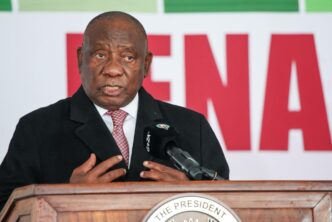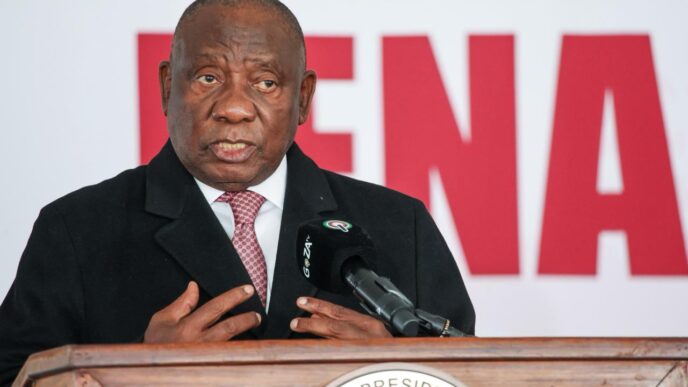


Pretoria – South Africa is establishing an Intelligent Population Register containing biometric data for every person in the country, President Cyril Ramaphosa announced on Sunday, as part of a sweeping overhaul of the country’s identity management and immigration control systems.
Addressing the nation on migration and illegal immigration, Ramaphosa said the government was taking decisive steps to strengthen identity systems, close loopholes in immigration controls and improve enforcement against undocumented migration.
The new register will verify the identities of all people in South Africa and lay the foundation for a Digital ID system. “We are establishing an Intelligent Population Register that contains biometric data for every person in the country, laying the foundation for a Digital ID,” the President said. 
As part of the reforms, the government will progressively phase out the green barcoded identity book, which Ramaphosa said has been exploited by undocumented immigrants and criminal syndicates to facilitate identity theft. “The Department of Home Affairs will set a date after which the green ID books will not be recognised,” he said.
The government is also moving against the misuse of Traffic Registration Numbers, which are issued to foreign nationals for vehicle registration and ownership but have increasingly been used as a substitute form of identification. “We will end the abuse of the Traffic Registration Number, which foreign nationals require to register or buy vehicles, but which is being used as a form of identification,” Ramaphosa said. The Department of Transport will issue new regulations within the next three months to align vehicle registration processes with South Africa’s identification laws.
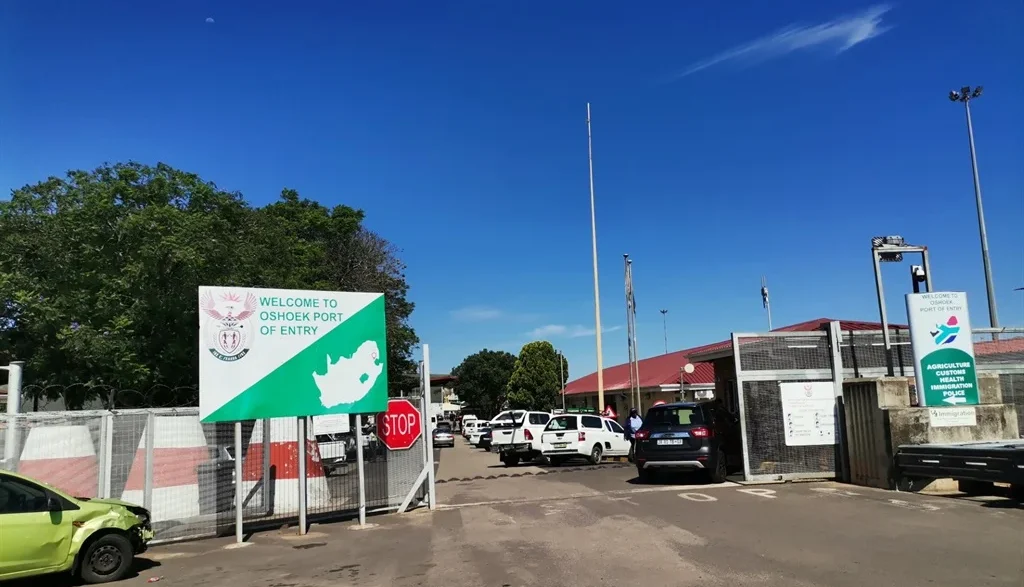
The measures form part of a wider Comprehensive Approach for Migration Management adopted by Cabinet last week, which also includes stronger enforcement of immigration and labour laws, improved border security, anti-corruption measures within the immigration system and reforms to citizenship and migration legislation.
In his weekly newsletter on Monday, Ramaphosa said many South Africans had raised concerns about illegal immigration and its perceived impact on jobs, economic opportunities, public services and crime. “We are responding to real concerns that communities have about the effects that unchecked illegal immigration has on jobs and economic opportunities,” he wrote.
The President said the government’s response would be guided by the Constitution, the rule of law and South Africa’s international obligations. While acknowledging public concerns, he said the overwhelming majority of foreign nationals in South Africa were not involved in criminal activity and warned against allowing migration issues to fuel intolerance or violence. “The task of managing migration belongs to all of us,” he said, adding that only authorised state officials may enforce immigration laws.