

Geneva – Nepal and Senegal have told the World Trade Organization that climate change is already devastating their economies and that they need billions of dollars in financing to confront the crisis, as both countries made the case that trade policy and climate action must go together.
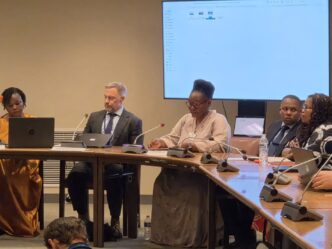
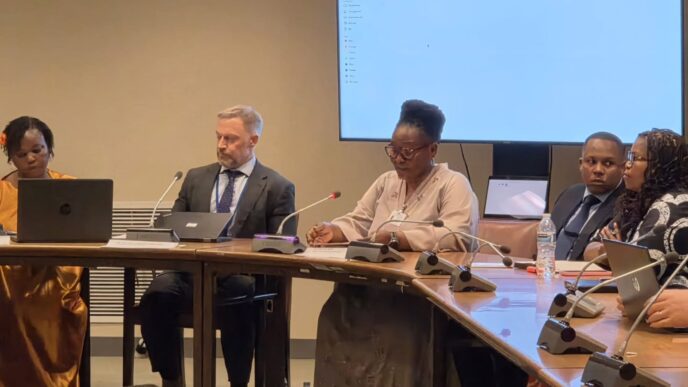
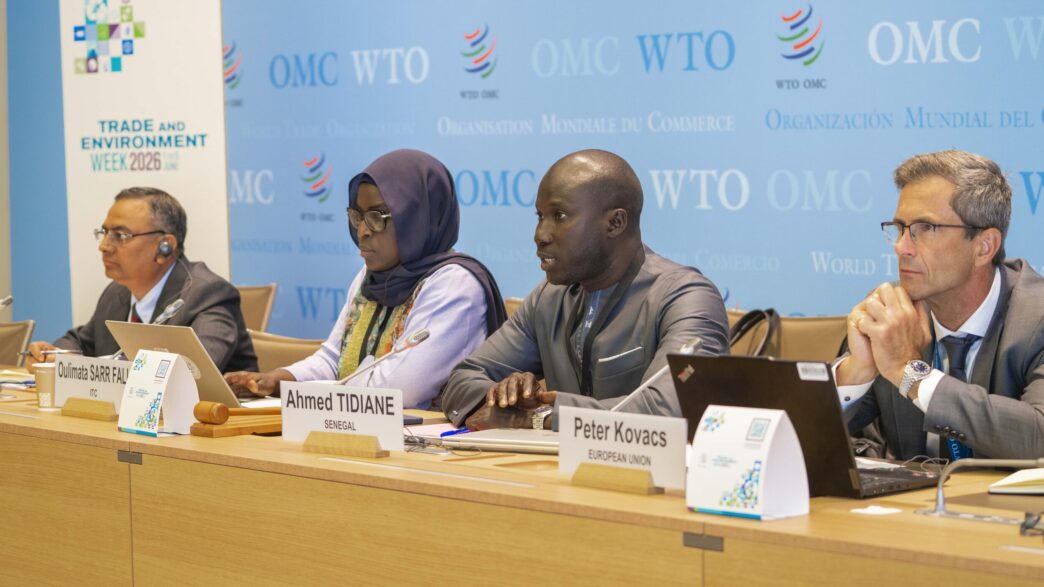
The two countries presented their challenges at WTO Trade and Environment Week 2026 in Geneva, in a dialogue organised in collaboration with the International Trade Centre (ITC), which is funded by the European Union.
Nepal is grappling with retreating glaciers, with floods and landslides triggered by glacial outbursts damaging mountain ecosystems and disrupting supply chains. Senegal faces a different but equally serious set of problems: warming coastal waters are pushing fish further north, cutting catches and driving up costs for fishing communities, while eroding beaches are threatening tourism and cereal harvests face growing uncertainty. 
Nepal puts the cost of addressing its climate challenges at $25 billion, while Senegal estimates it needs $13 billion. Both countries have contributed very little to the historical causes of climate change, yet face some of its heaviest consequences.
ITC has been working with Nepal, Senegal and five other developing countries under the EU-funded Climate Competitiveness project to prepare strategies on climate change and help small businesses meet green market requirements.
Both countries have submitted Nationally Determined Contributions to the UN Framework Convention on Climate Change, outlining how they intend to reduce emissions and adapt to climate impacts. At the same time, large corporate buyers are imposing climate standards and reporting requirements on their suppliers, adding further pressure.
Despite the squeeze, opportunities are emerging in sustainably sourced agricultural products, ecotourism and renewable energy. Nepal offers tariff exemptions on solar panel imports, tax advantages for electric vehicles, and carbon credits through a forestry project. Senegal’s government is supporting solar-powered irrigation and improved seeds.
EU delegation Minister Counsellor Peter Kovacs said the green transition must create opportunities rather than new divides.
“The real challenge is ensuring that climate ambition and development reinforce each other. That the green transition creates new opportunities rather than new divides. That the multilateral trading system helps support that transition in an inclusive way,” he said.
Nepal’s Deputy Permanent Representative to the WTO, Damaru Ballabha Paudel, called for urgent action.
“We must focus on the climate risks with climate justice in the multilateral trading systems. From Sagarmath (Mt. Everest) to Mont Blanc, glaciers are melting. The time for leveraging trade for climate action is now. These are global and shared problems,” he said.