

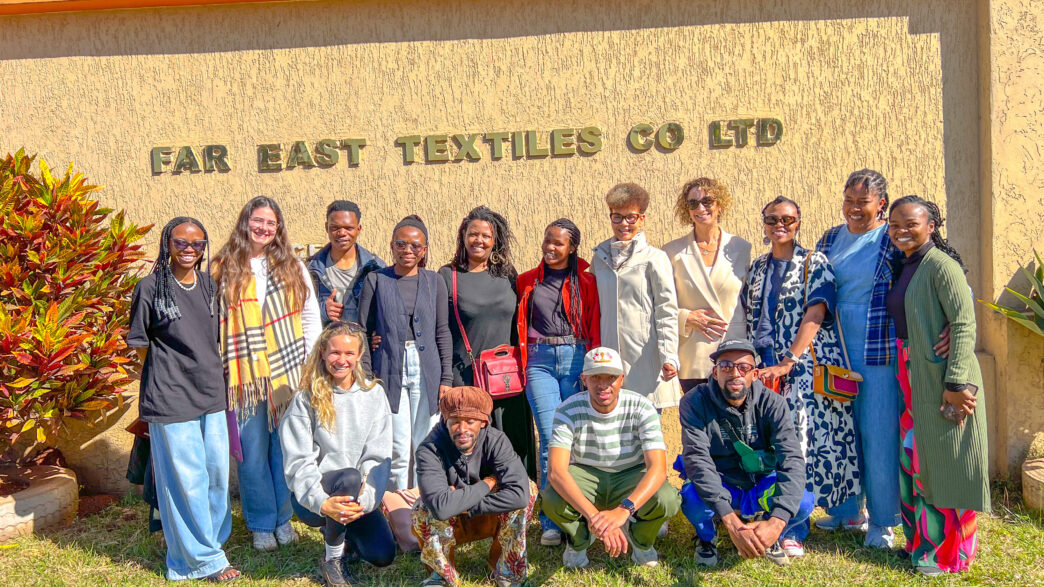
Malkerns – Far East Textiles has returned as a partner of the Standard Bank Luju Food and Fashion Festival’s 2026 Fashion Programme, marking the second consecutive year of the collaboration.
The partnership provides each of the eleven participating local designers with fabric of their choice to create their runway collections, alongside direct access to industry knowledge through a factory visit and engagement session hosted by the textile manufacturer.

This year’s Luju fashion theme, Kwasukasukela, is the siSwati expression for “Once Upon a Time” and serves as a nostalgic prelude to the folktales told around the fire. In resonance with “A Return to the African Future,” the theme remembers the past as a living archive of style and meaning sourced from narratives of trailblazing figures, the animals that sustain the nation, the landscapes that inspire and the lessons passed through generations by word of mouth and worn on the body. 
For the eleven designers preparing their collections, the journey begins with the fabric itself. Far East Textiles sponsored fabric for each designer’s sample collection, providing the raw material from which the theme’s living archive of style will be brought to life.

“Having Far East Textiles support our designers at this foundational stage, with fabric and with wisdom, showcases their understanding of how supporting designers is not a once-off gesture, but a long-term investment in an industry we are building together. Returning for a second year speaks to a shared belief that Eswatini’s creative economy is worth showing up for, consistently,” said Philippa Thorne, Fashion Café Director at the Luju Festival.
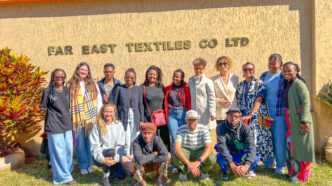
Beyond the material sponsorship, Far East Textiles hosted the eleven designers at its Matsapha factory for a visit and industry session led by Founder and Managing Director Tokky Hou. The session offered insight into textile manufacturing processes, production standards and best practices within the sector, providing both grounding and perspective for designers navigating the distance between a home setup and commercial production.
Hou, whose own story runs from a handful of machines in an underused office space to one of Eswatini’s leading manufacturing operations, spoke openly about the value of collaboration in an industry that too often encourages isolation, and how the country’s creative and business communities grow faster when they share skills, share space and share the load.
The eleven local designers selected for the 2026 Luju Fashion Programme are Adonis Threads by Calvin DuPont, Black Degree by Kwenzie Zwane, Flow Wearz by Zikode Zwane, Philz Creations by Philile Nkwanyana, Rose Peti by Nothando Dlamini, Tash Creations by Thando Ndlangamandla, Uniq_uity by Sinakekelwe Mhlanga, Zerushi by Zen Shiba, Karo Textile by Nomfundo Simelane, Batfobile Edit by Batfobile Dlamini, and Wels Craft by Welile Dlamini.
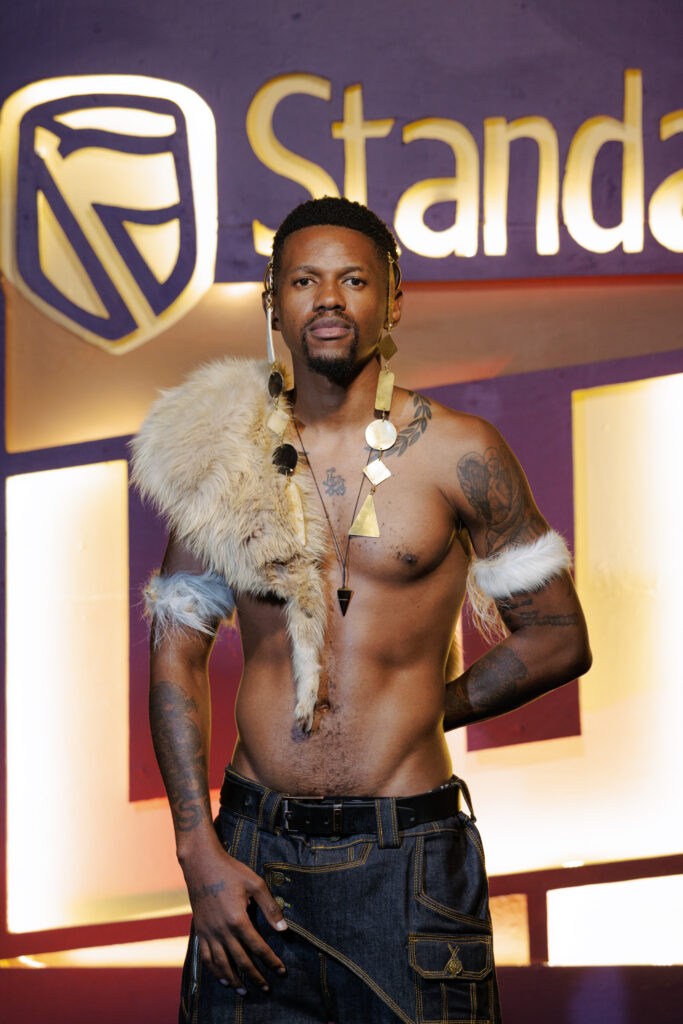
Each designer will present a collection on the Luju Fashion Runway, described as the premier showcase of Southern Africa’s leading and emerging designers, where fashion meets performance and the stage is set for both creative expression and industry opportunity.
Among them is returning designer Kwenzie Zwane of Black Degree, for whom the partnership carries meaning.
“Coming back to Luju feels like returning to a space where my African identity is celebrated and expressed through fashion. The visit to Far East Textiles reminded me that every great thing is built stitch by stitch, decision by decision. Seeing what Tokky has built from nothing makes you realise that the story you’re telling with your hands is worth finishing,” Zwane said.
A two-time winner of the Top Woman Exporter Award and Regional Manufacturer of the Year at the Pan-African Women Empowerment Summit, Hou has built Far East Textiles into the only major textile factory in Eswatini owned by a Liswati entrepreneur, a distinction she carries as a responsibility rather than a credential.
“I have always believed that our industry belongs to us and that belief extends to the next generation of creators. Being recognised at platforms like the Pan-African Women Summit means nothing if we are not turning that visibility into opportunity for others. Supporting the Luju Fashion Programme is an extension of exactly that. It is investing in Eswatini’s creative economy from the inside out,” Hou said.
The Luju Fashion Programme continues to grow as one of the region’s most significant platforms for nurturing Eswatini’s design talent, combining mentorship, technical support, trade opportunities and media exposure to drive both creative growth and business expansion.
Founded by Hou, Far East Textiles grew from humble beginnings with a handful of machines in a small, shared space into a full-scale manufacturing operation employing nearly 600 people, 98 percent of whom are women.
The Standard Bank Luju Food and Lifestyle Festival is a two-day event of culinary exploits, high-end fashion, Afrocentric music and family-friendly entertainment held annually at House On Fire in Eswatini.