

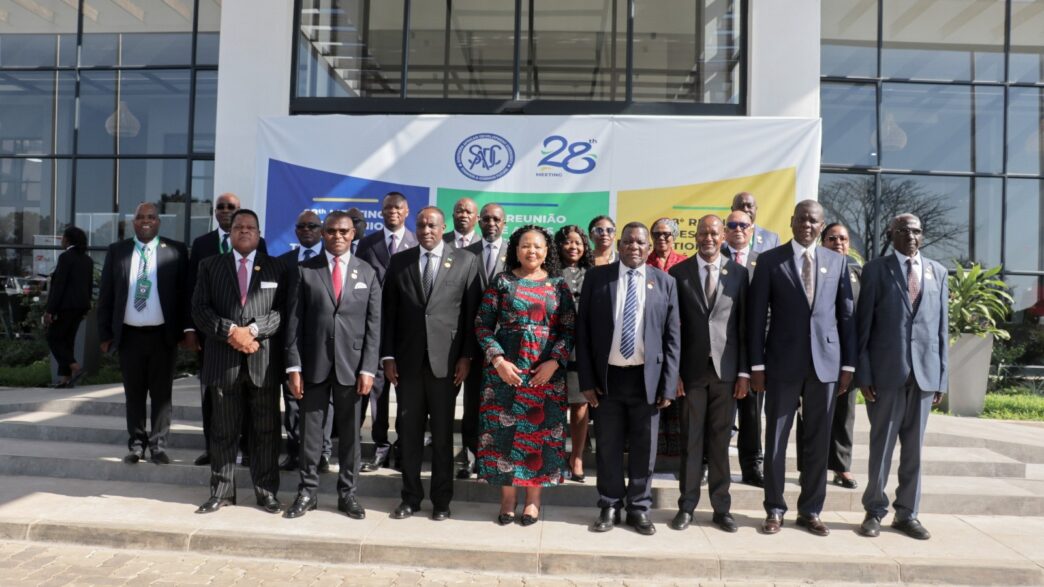
The Ministerial Committee of the Organ (MCO) on Politics, Defence, and Security Cooperation of the Southern African Development Community (SADC) has approved a number of initiatives that are intended to improve migration management, strengthen peace and security, advance democratic governance, fight corruption and organised crime, and protect the region’s liberation legacy, a statement said.
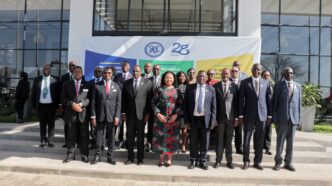
The decisions were made during the MCO’s 28th meeting in Salima, Malawi, on July 16-17, 2026, where regional ministers reviewed progress on important political, security, and governance issues and confirmed SADC’s dedication to regional stability, integration, and sustainable development.
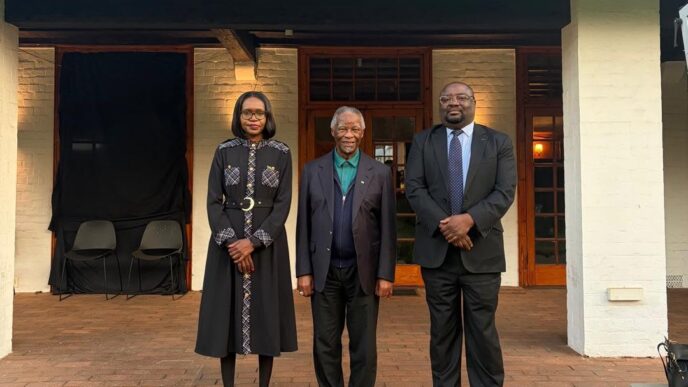
Senator Pholile Shakantu, Eswatini’s minister of foreign affairs and international cooperation, and her entourage are present. 
The meeting made significant decisions, such as requesting that member states continue to support the SADC Electoral Observation Mission (SEOM) and submit nominations for election observers prior to the elections scheduled for the 2026 SADC Electoral Calendar. Adopting the SADC Framework on Principles and Guidelines for the Adoption of Common Foreign Policy Positions, which aims to improve coordination among member states and the region’s collective engagement on international issues, and approving the Framework for Centers of Excellence on Good Governance, Human Rights, and the Rule of Law, which aims to improve governance standards, foster knowledge-sharing, and strengthen institutions, were two other significant decisions.
When opening, Malawi’s minister of foreign affairs and international cooperation, Dr George Thapatula Chaponda, in his capacity as the chair, called upon member states to deepen regional cooperation and solidarity in addressing peace and security challenges, emphasising the importance of dialogue, political commitment and collaboration among stakeholders to achieve lasting peace and improve the lives of affected communities.
Featured in the discussion were developments in the Democratic Republic of Congo (DRC), Madagascar and Mozambique.
The DRC’s deteriorating security and humanitarian situation are concerning, needing enhanced coordination among all stakeholders involved in efforts to restore stability. The country is also facing one of the worst Ebola outbreaks that continues to test its public health capabilities and efforts despite ongoing diplomatic and mediation initiatives. The committee conveyed its condolences to the DRC government and its people.
Madagascar continues to also be a concern following a coup, and the ministers encouraged all political actors to remain calm and continue resolving differences through dialogue and peaceful engagement.
Mozambique was applauded by the ministers for the ongoing Inclusive National Dialogue process as well as the signing of the Political Commitment for an Inclusive National Dialogue, which was described as a significant step towards strengthening national unity, social cohesion and long-term stability.
The SADC Executive Secretary, Elias Magosi, said the emerging challenges require continued vigilance and collective action, identifying climate change, food insecurity, public health emergencies, terrorism, cybercrime and transnational organised crime as growing threats that demand stronger regional cooperation to safeguard peace and development gains.
The ministers called for mediation, conflict prevention, democratic governance, migration management, anti-corruption initiatives, counter-terrorism cooperation and humanitarian response as key pillars for building a safer, more prosperous and integrated SADC region.