

MOGADISHU, Somalia: The African Continental Free Trade Area Secretariat has held a series of meetings with Somali government officials, workers and businesses as the country prepares to implement the continental trade agreement.
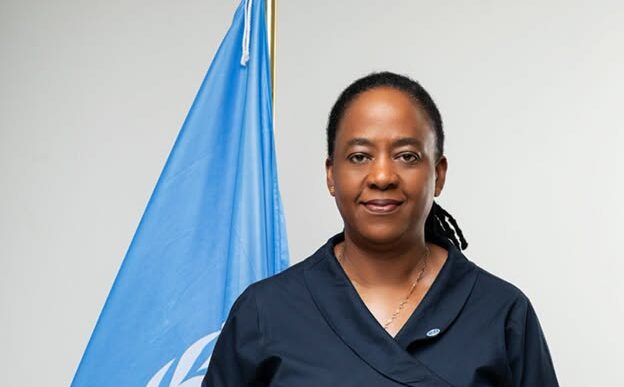
AfCFTA Secretary General Wamkele Mene was in Mogadishu on Monday, 17 August 2026, for discussions on the practical steps required to move Somalia from signing and ratifying the agreement to actual trade under the continental framework.
The visit focused on the systems needed to ensure that Somali businesses can access markets across Africa and move goods through borders more efficiently. 
At the Ministry of Commerce and Industry, Mene met Minister Gamal Mohamed Hassan and AfCFTA teams responsible for trade in goods, trade in services and private sector engagement.
The discussions covered tariff concessions, rules of origin, customs procedures and payment systems.
Rules of origin determine whether a product qualifies as originating from Somalia and can receive preferential treatment when exported to another African country.
The delegation also discussed the Pan African Payment and Settlement System, the electronic tariff book and the AfCFTA Adjustment Fund.
The Secretariat proposed joint work on Somalia’s national AfCFTA implementation strategy and the identification of priority export sectors where Somali businesses already have a competitive base.
Following the meeting, Mene addressed the media and responded to questions from Somali journalists.
He later met Foreign Affairs and International Cooperation Minister Abdisalam Abdi Ali, who said Somalia remained committed to implementing the AfCFTA framework.
Abdisalam said Somalia had ratified the agreement and wanted to benefit from opportunities in trade, investment and continental economic integration.
Mene also met Prime Minister Hamza Abdi Barre at the Prime Minister’s Office.
The talks considered the technical preparations required for Somalia’s participation in the African market and the role of government in supporting private sector growth.
The AfCFTA Secretary General then held discussions with the Federation of Somali Trade Unions and its Secretary General, Omar Farouk Osman.
The meeting considered inclusion, the informal economy, social dialogue and decent work.
The discussions also covered the implementation of the AfCFTA Protocol on Women and Youth in Trade and the need to ensure that it creates practical opportunities for the people it is intended to support.
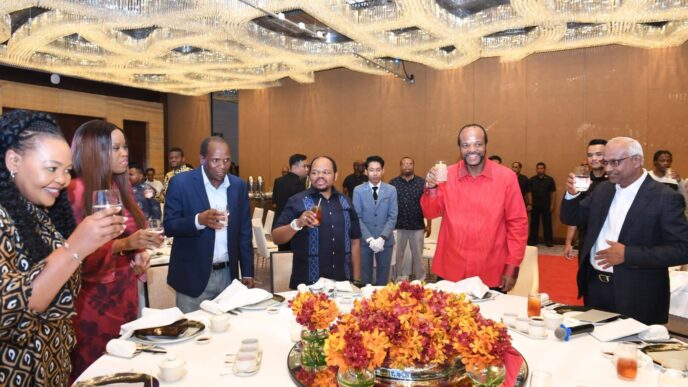
The day ended with a dinner hosted by the Minister of Commerce and Industry, where officials renewed their commitments to cooperation and exchanged gifts.
On Tuesday, the Secretariat continued its engagement with Somali enterprises and the Somalia Chamber of Commerce and Industry.
The meetings with businesses focused on the opportunities and practical requirements for Somali companies seeking to trade across the continent.
These include understanding tariff schedules, meeting rules of origin, complying with customs requirements, accessing payment systems and identifying products that can compete in African markets.
The AfCFTA Secretariat said the purpose of the visit was to help Somalia prepare for its first continental trade shipments and ensure that the agreement produces practical benefits for businesses.
Somalia completed its domestic approval process after President Hassan Sheikh Mohamud signed the AfCFTA Agreement into law following parliamentary ratification.
The Secretariat said the visit demonstrated that a trade agreement required more than a formal signature.
It also required systems, procedures, customs readiness, business capacity and payment arrangements that could connect Somali enterprises with customers and partners in other African countries.
“A n agreement between States is worth what enterprises can do with it,” the Secretariat said.