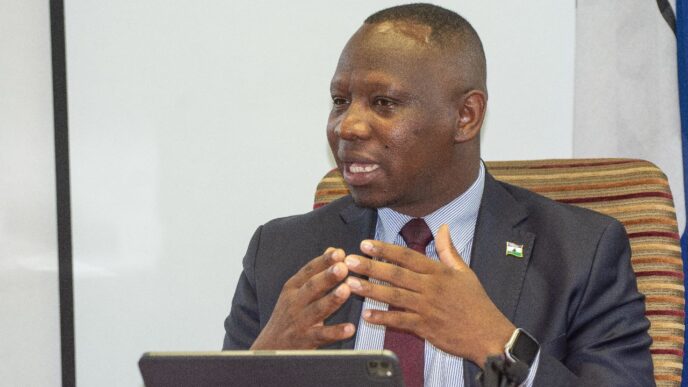


Johannesburg, South Africa – African countries should negotiate collectively with Russia to secure better trade agreements, affordable energy and investment opportunities that support economic growth, journalist and political analyst Adekunle Owolabi has said.
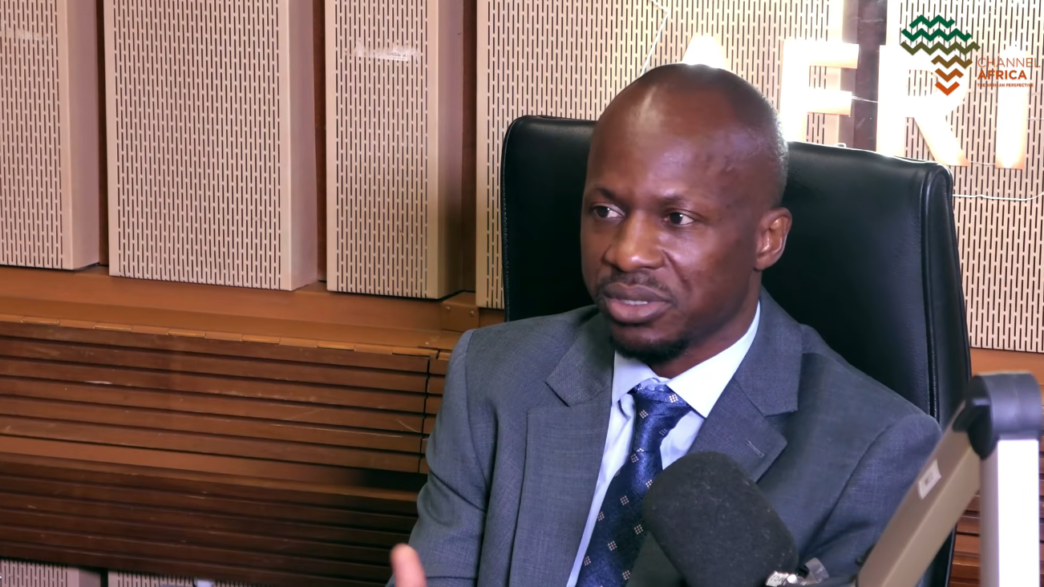
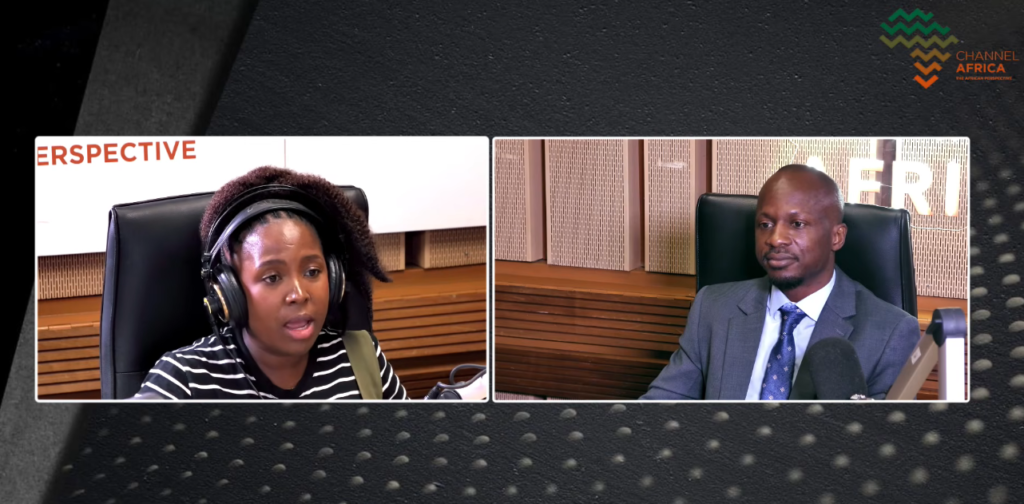
Speaking on Channel Africa, the South African Broadcasting Corporation’s international radio service, on Monday, 19 October 2026, Owolabi told broadcaster Mmatsheko Mosito that African governments needed to strengthen their bargaining power ahead of the third Russia Africa Summit scheduled for Moscow on 28 and 29 October.
Owolabi, Editor of The African Daily and a digital strategist specialising in international diplomacy, said the summit presented an opportunity for African countries to pursue practical agreements in energy, agriculture, infrastructure, technology and industrial development. 
He argued that African governments should diversify their international partnerships instead of relying heavily on established economic relationships with major powers such as the United States and China.
“Africa actually should diversify their interests and so you cannot just align with the likes of the United States or China. You are allowed to engage with the likes of your Russia or Saudi or anyone. So there’s no law that says a country shouldn’t engage with each other,” he said.
The journalist acknowledged the complications created by international sanctions against Russia and its ongoing war in Ukraine, but said African countries should assess potential partnerships according to their national interests and the benefits they could deliver to their citizens.
Collective negotiations could benefit African countries
Owolabi said African countries could secure more favourable commercial terms by negotiating through the African Union and regional economic communities rather than approaching Russia exclusively as individual states.
He cited Nigeria’s financial strength, population and natural resources as advantages that could help smaller West African countries if regional partners negotiated agreements together.
He also identified the Economic Community of West African States and regional financial institutions as potential mechanisms for supporting joint projects and financing arrangements.
According to Owolabi, countries with different economic capacities could pool their interests to negotiate better prices, repayment conditions and access to infrastructure financing.
He named Egypt, Algeria, Morocco and South Africa among Russia’s established African trading partners, while noting that opportunities existed to expand commercial relations with other countries, including Nigeria.
He said Nigeria and Russia shared interests in energy and agriculture, particularly the supply of fertilisers and wheat, while Russian technical expertise could potentially contribute to addressing Nigeria’s electricity challenges.
“If the cost is too much in another country, if you get a better deal with Russia, why not? In the end, we are doing business and looking at areas of collaboration,” he said.
Owolabi also cautioned against automatically interpreting foreign commercial engagement as the exploitation of African resources, saying agreements should be judged by their terms and their contribution to local economies.
Energy remains crucial to industrialisation
Energy security is expected to be among the important issues discussed at the Moscow summit, with Owolabi arguing that affordable and reliable electricity is necessary for Africa to expand manufacturing and develop its industrial capacity.
He cited Russia’s involvement in Egypt’s El Dabaa nuclear power plant project as an example of cooperation in the energy sector.
He also referred to energy cooperation between Mozambique and South Africa, noting that African countries needed to explore different suppliers and financing arrangements to meet their growing electricity requirements.
“Energy is something that it’s an integral part of our life. We buy fuel, we switch on our light, we eat, we need heat during winter and we just need energy to power industrialisation,” he said.
Owolabi said Africa’s ambition to manufacture more goods locally would remain difficult to achieve without sufficient and affordable energy supplies.
He added that Namibia’s expected participation in the summit was worth watching, particularly given its interest in expanding trade and energy cooperation with Russia.
The journalist also proposed that African countries consider collective purchasing arrangements for energy and other essential commodities, which could help reduce costs through larger orders and stronger negotiating positions.
He acknowledged that sanctions against Russia had complicated some international payments, with restrictions affecting financial services and payment systems. Nevertheless, he said countries continued to explore ways of maintaining commercial relationships.
According to Owolabi, Russia Africa trade was estimated at between US$25 billion and US$30 billion, with both sides seeking opportunities to expand the relationship.
He said countries belonging to the Southern African Development Community, the East African Community and ECOWAS could benefit from stronger cooperation, even where individual countries were not directly represented at the summit.
Owolabi said discussions on oil, gas and the future of energy markets would also be important as electric vehicles and other technologies increasingly influence global energy demand.
He maintained that the summit should produce measurable commercial outcomes, with African governments monitoring the agreements signed and determining what their economies would gain.
Owolabi urges Africa to tell its own stories
Beyond economic diplomacy, Owolabi used his appearance on Channel Africa’s Journal Africa programme to discuss the challenges African countries face in controlling their international narratives.
He said his work in journalism and digital media development was increasingly focused on helping African newsrooms tell stories that reflect the continent’s economic opportunities, cultural heritage and development experiences.
Owolabi argued that excessive reliance on international media organisations could leave African countries vulnerable to incomplete or misleading portrayals, particularly when positive developments receive less attention than political controversies.
He cited Eswatini as an example, saying international reporting about the Kingdom had not always reflected the full range of developments taking place in the country.
The journalist referred to coverage surrounding King Mswati III’s birthday celebrations, arguing that some reports failed to capture the broader events and milestones he witnessed while in Eswatini.
He also mentioned the opening of the International Convention Centre and the hosting of major African Union related engagements as developments deserving wider international attention.
Owolabi said local publications, including the Times of Eswatini, the Eswatini Observer and Independent News Eswatini, had an important role in expanding digital journalism and providing audiences with a broader understanding of the Kingdom.
He also spoke about the need for more community focused journalism in Nigeria, where coverage of some areas often concentrates on kidnapping, banditry and insecurity instead of local businesses, agriculture and investment opportunities.
He called for increased training, better remuneration and sustainable funding for journalists, warning that financial pressures on traditional media had contributed to job losses and the spread of fabricated stories online.
While recognising the role of citizen journalism, Owolabi said media professionals needed to maintain appropriate standards and adapt to changes brought by digital platforms and artificial intelligence.
The African Daily focuses on a broader African narrative
Owolabi said The African Daily developed from The African Daily Post and was established around a vision of providing broader coverage of developments across North, West, East, Central and Southern Africa.
He said the publication sought to give readers a better understanding of investment opportunities, bilateral relations, business developments and initiatives supporting economic progress.
“Africa is a work in progress. But if we focus too much on the negativity, the issues that we have, we’re not going to be able to look at how we can move forward,” he said.
He explained that this approach did not mean overlooking the continent’s problems, but ensuring that journalism also examined solutions, progress and opportunities.
Owolabi recalled speaking to a banker who was reluctant to invest in an African country despite never having visited it, saying the decision was based on perceptions rather than first hand knowledge.
“You don’t have an opinion but you’re entitled to an informed opinion,” he said, arguing that investors should obtain reliable information and understand local conditions before deciding whether to enter a market.
He also praised Channel Africa for its contribution to African journalism and its efforts to bring stories from across the continent to wider audiences.
Eswatini’s tourism and culture attract attention
Owolabi also spoke warmly about his experiences in Eswatini, describing the Kingdom’s cultural traditions, natural environment and hospitality as important attractions for visitors.
The Nigerian journalist said the country’s strong cultural identity had made a lasting impression on him, pointing to its traditional attire, food, hills and mountains, as well as ceremonies such as Buganu and Incwala.
He also mentioned Hlane Royal National Park, game drives, the Bushfire festival and the Luju festival among the experiences that could attract visitors to the Kingdom.
Owolabi said cultural exchanges between Eswatini and South Africa also demonstrated the potential for stronger regional collaboration.
He referred to the October International Theatre Festival, which brought theatre practitioners from South Africa to participate in activities and training involving artists.
The journalist encouraged people in neighbouring countries to visit Eswatini and experience its culture and tourism attractions directly, saying personal encounters could help challenge misconceptions and strengthen regional connections.
He said the Kingdom had opportunities to communicate its experiences and achievements more widely through stronger media coverage and regional partnerships.