


MATSAPHA – A massive push to create local jobs is underway at the newly established Eswatini Oil Mill (EOMI), with plans to employ up to 100 000 emaSwati over the next five years.
This development comes as the country’s overall unemployment rate continues to climb, now standing at 35 percent. Located at the Matsapha Industrial Site, EOMI—an extension of the SOMI Group—has already begun operations and is currently employing about 200 emaSwati.
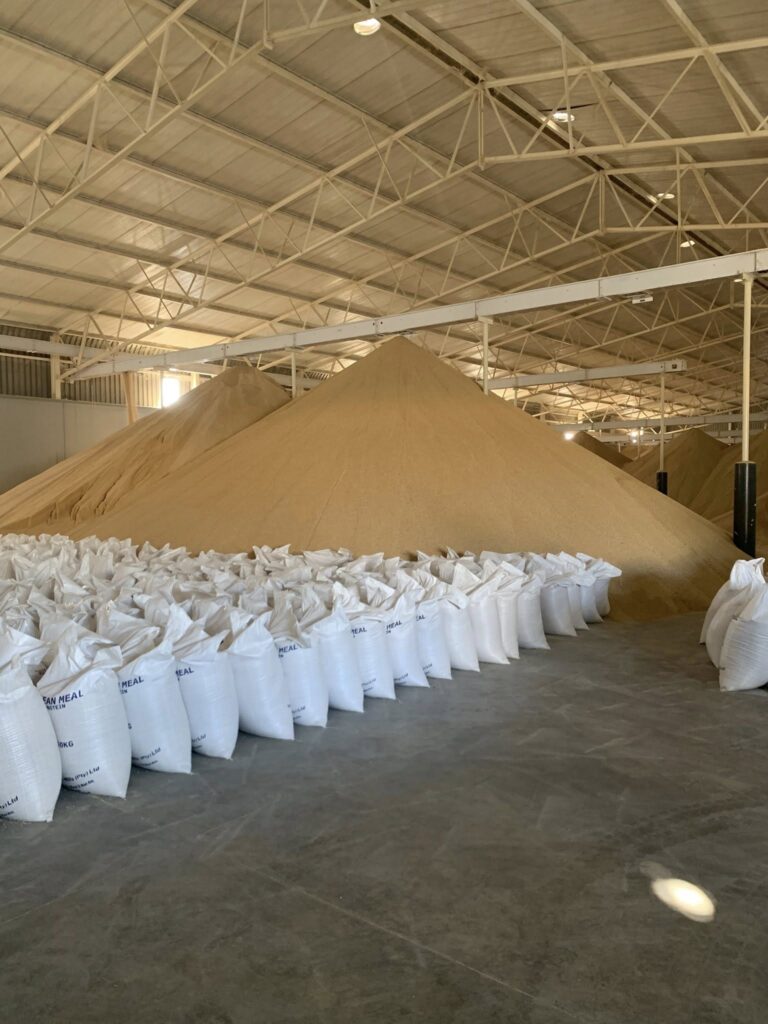
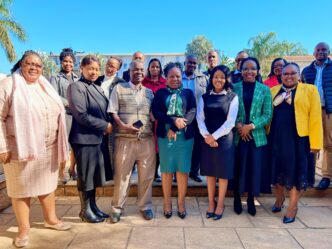
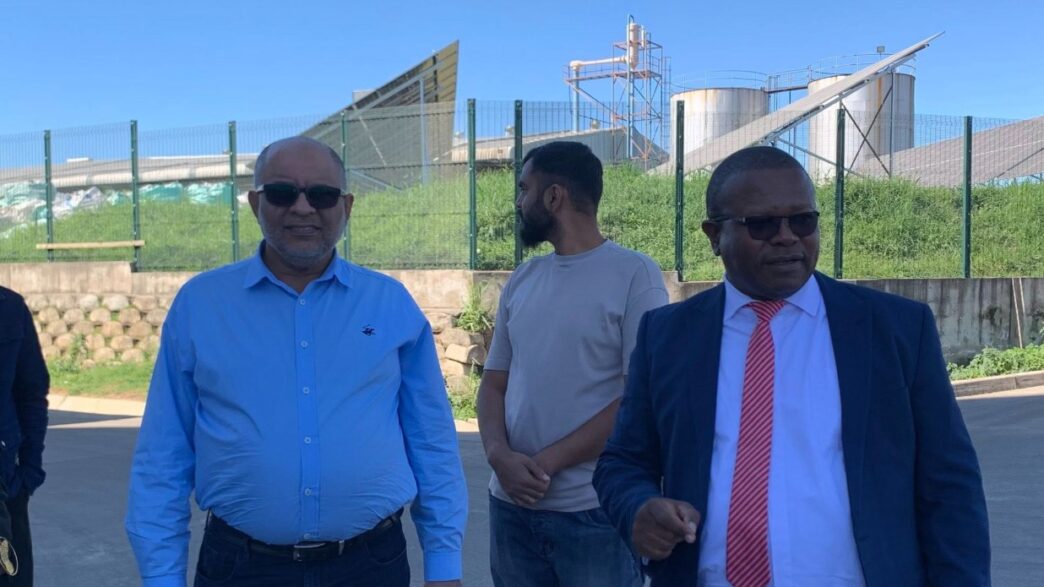
Commerce, Industry and Trade Minister Manqoba Khumalo visited the factory yesterday and engaged with the company’s leadership on-site. EOMI, which imports around 10 000 tonnes of soya beans each month from South Africa, aims to eventually shift towards full local production. The mill currently exports raw soya-based animal feed to South Africa but plans to process it into finished products domestically. 
Khumalo said the company has plans to diversify further by producing finished goods such as soya jam and other consumables from soya meal. “This kind of industrial expansion opens job opportunities across various stages—from farming soya beans locally to working in new processing and manufacturing units,” the minister said.
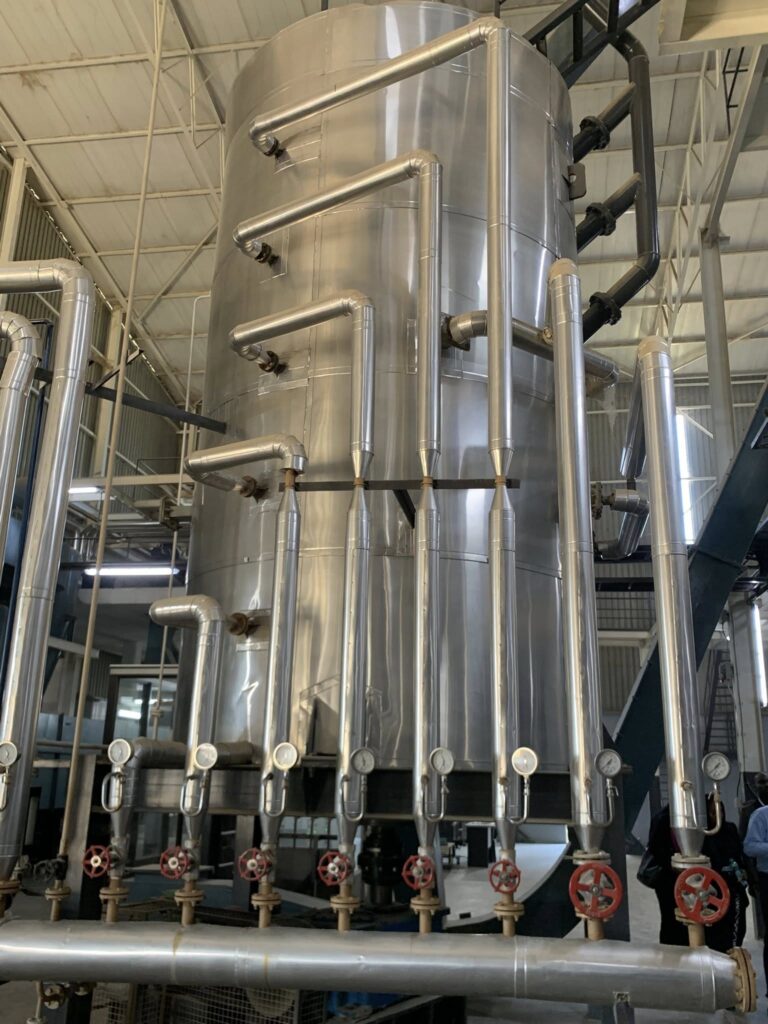
Managing Director Mohamed Daud revealed that the facility currently receives 20 truckloads of soya beans per day from across the border, with a long-term goal to process up to 500 tonnes daily—translating to 180 000 tonnes annually.
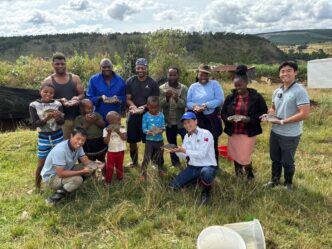
To meet this demand, EOMI is in talks with relevant institutions to secure land for soya bean cultivation in Eswatini. Discussions are ongoing with the National Agricultural Marketing Board (NAMBoard) to support this shift towards domestic sourcing.
Daud said the company is optimistic that within five years, local farmers and workers will be able to fully support their supply chain. If successful, this could mean employment for tens of thousands across farming, logistics, processing, and packaging.
The move aligns with the government’s broader effort to address unemployment, especially among youth. While general unemployment rose from 33 to 35 percent, youth unemployment dropped slightly from 58 to 56 percent, according to the latest figures.
The EOMI facility was visited by His Majesty King Mswati III in June 2024, during its final stages of construction. He has since reiterated his administration’s commitment to ensuring that “every liSwati has a job.”