


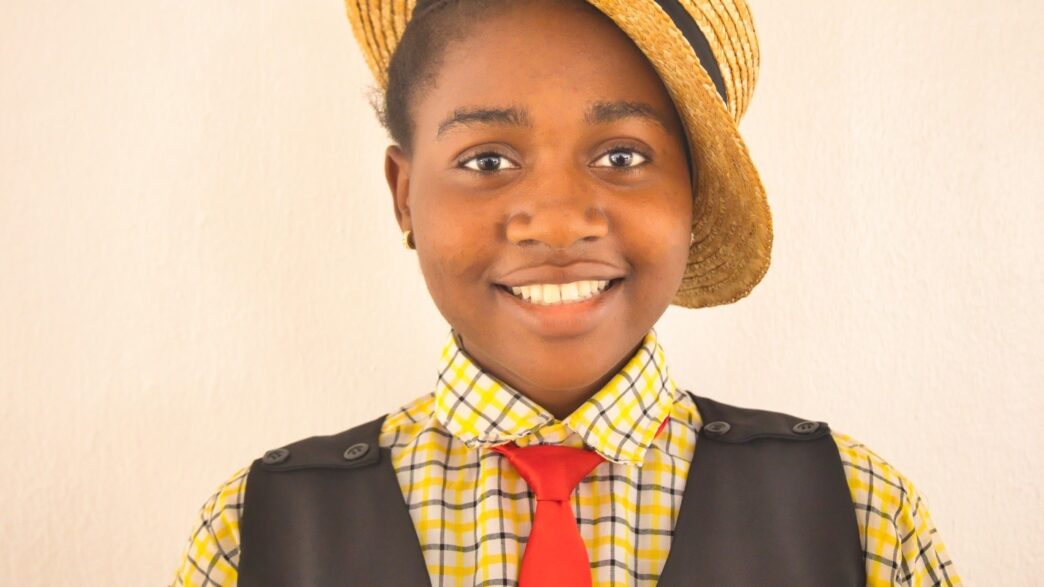
A student leader serving as Minister for Health and Welfare at Homaj Schools in Ondo, Nigeria, will be among the speakers at the Energies 3.0 Conference, a virtual international event running from April 22 to 24, 2026, bringing a youth perspective on the links between clean energy, public health and community change.
The conference, organised by the Green Institute of Nigeria, runs daily from 10:00 AM to 4:00 PM online. Registration is open at www.greeninstitute.ng/energies2026.
Adesuyan Omojolasola spoke ahead of the conference about the role young people can play in driving energy transitions at the community level, and she pushed back against the idea that youth are leaders only in waiting. 
“I think young people are more powerful than we often realise. We are not just future leaders, we are already shaping our communities today,” she said.
She said the energy transition conversation must go beyond large power infrastructure to include practical, immediate changes.
“When we talk about energy transition, it is not only about big power plants, it is also about small, practical changes like using solar lighting in schools or reducing reliance on generators,” she said.
Omojolasola drew a direct line between energy choices and human health, pointing to the deadly consequences of household air pollution.
“Many families still use firewood and charcoal for cooking, and globally this kind of household air pollution causes about 3.2 million deaths every year,” she said. “So when young people advocate for clean energy, we are actually protecting lives.”
She said schools are a powerful starting point for change, with students able to lead awareness campaigns, start sustainability clubs and shift how communities think about energy.
“If we understand the connection between energy and health early, we can build a generation that makes better decisions for both people and the planet,” she said.
On the specific links between sustainable energy and public health outcomes in Nigerian schools and communities, Omojolasola said the relationship is direct and measurable.
“Without reliable electricity, healthcare and even basic school environments struggle,” she said, noting that about 36 percent of health facilities in Nigeria still have no reliable energy access, meaning some clinics cannot store vaccines or run essential equipment.
She said around 40 percent of Nigerians also lack access to electricity, forcing dependence on generators and unsafe energy sources that affect air quality, safety and learning conditions.
She said solar energy in particular has the power to change this reality by powering clinics, providing lighting for students to study at night and reducing pollution that damages respiratory health.
“Energy is not just about power, it is about dignity, health, and opportunity. And if we invest in sustainable systems now, especially at the community level, we can transform both education and healthcare across Nigeria,” she said.