

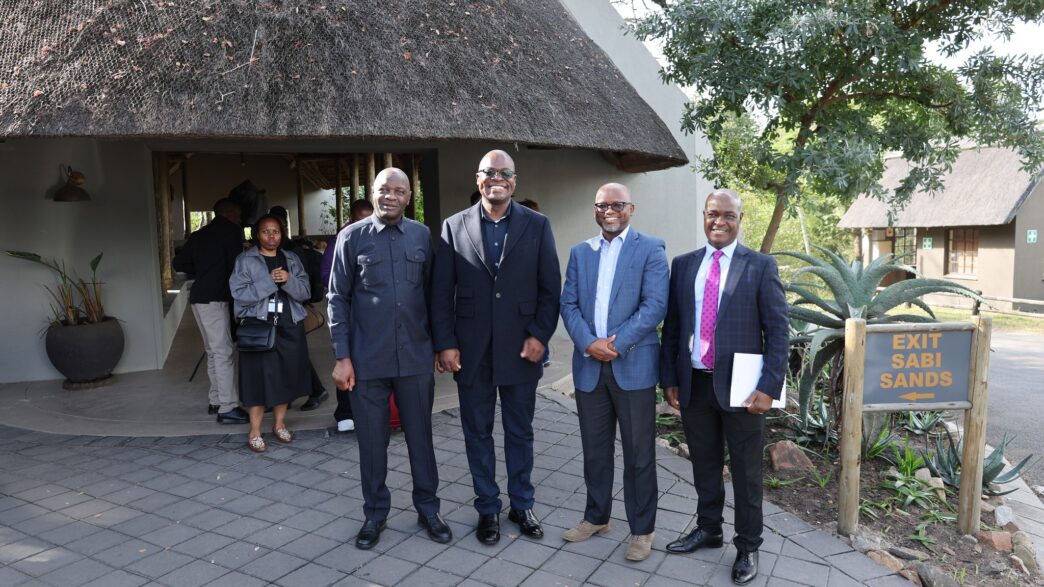
Skukuza – Foreign ministers from across the Southern African Development Community (SADC) have gathered at Skukuza, inside the Kruger National Park in South Africa’s Mpumalanga Province, for a high-level retreat running from Thursday to Saturday this week.
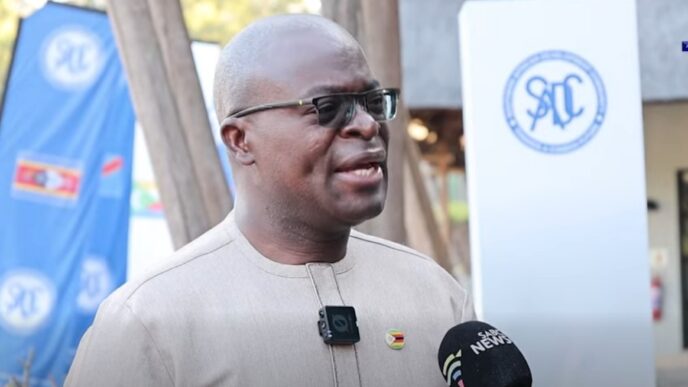
Zimbabwe’s Minister of Foreign Affairs, Prof. Amon Murwira, is among the regional leaders attending the three-day gathering, leading his country’s delegation to the closed-door talks that began on Thursday, 22 May 2026.
The retreat brings together ministers to assess the rapidly shifting global geopolitical landscape and to map out a coordinated regional response to both the threats and opportunities that come with it. 
The world order is changing fast, driven by deepening geopolitical competition, rapid advances in technology, shifting economic power, and new security concerns. Ministers at the retreat are expected to weigh how these developments affect the SADC region and chart a forward-looking course to protect peace, stability, and shared economic growth across southern Africa.
Talks will be guided by SADC’s long-term blueprints, including the SADC Vision 2050 and the Regional Indicative Strategic Development Plan covering 2020 to 2030, both of which continue to anchor the bloc’s push for regional cooperation and economic transformation.
Five key thematic areas are on the table: infrastructure development, transport and logistics, and the free movement of people, goods and services; industrialisation, regional value chains and trade integration; energy, oil and gas, and the sustainable use of mineral resources; agriculture, supply chains, markets and food security; and financing regional integration, investment promotion, public debt management and domestic resource mobilisation.