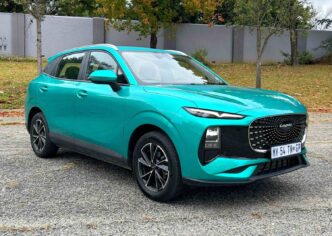


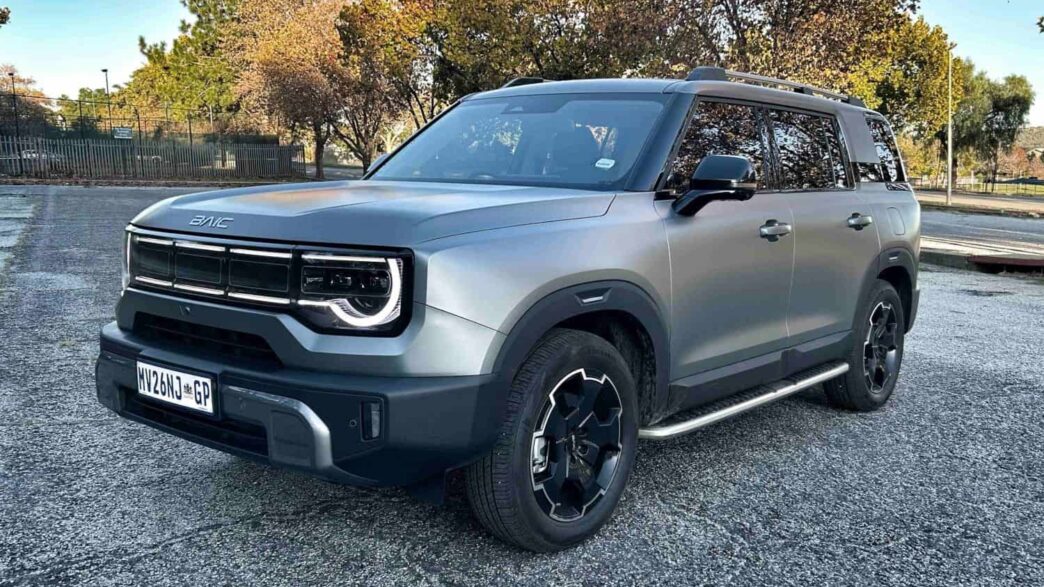
Mbabane – The BAIC B30e has been turning heads on the road, and after a week-long test drive, it is clear the Chinese SUV has more going for it than just striking styling.
Built by the Beijing Automotive Industry Corporation, the B30 has quickly become BAIC’s top-selling model in South Africa since its introduction last year, outselling its B40 Plus and Beijing X55 siblings. The version tested was the top-of-the-range B30e 1.5T HEV Premium Adventure AWD, priced at R689 900.
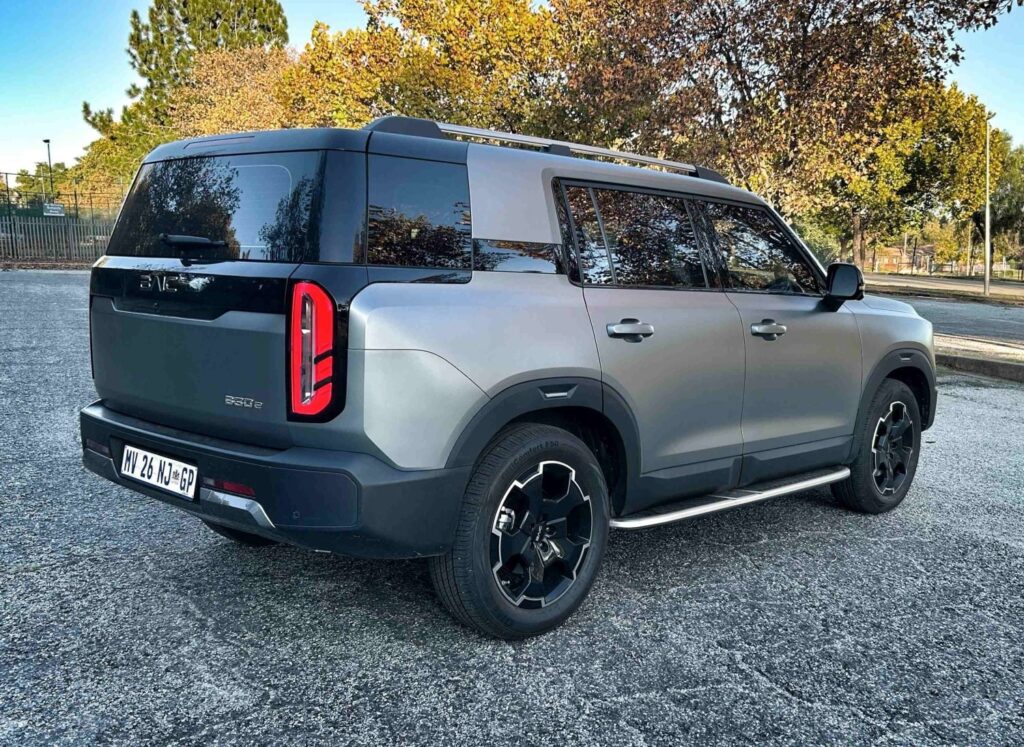
On the outside, the B30e makes a strong first impression. Passersby stopped to look, and it is easy to see why. The front end carries clear Ford Bronco influences while the boxy rear draws comparisons to the Land Rover Defender, minus the tailgate-mounted spare wheel. Sitting on 19-inch alloy wheels with roof rails, LED headlights featuring Auto High Beam Assist and cornering LED foglamps, the B30e cuts a distinctive figure that sets it apart from the growing crowd of Chinese SUVs on the market. 
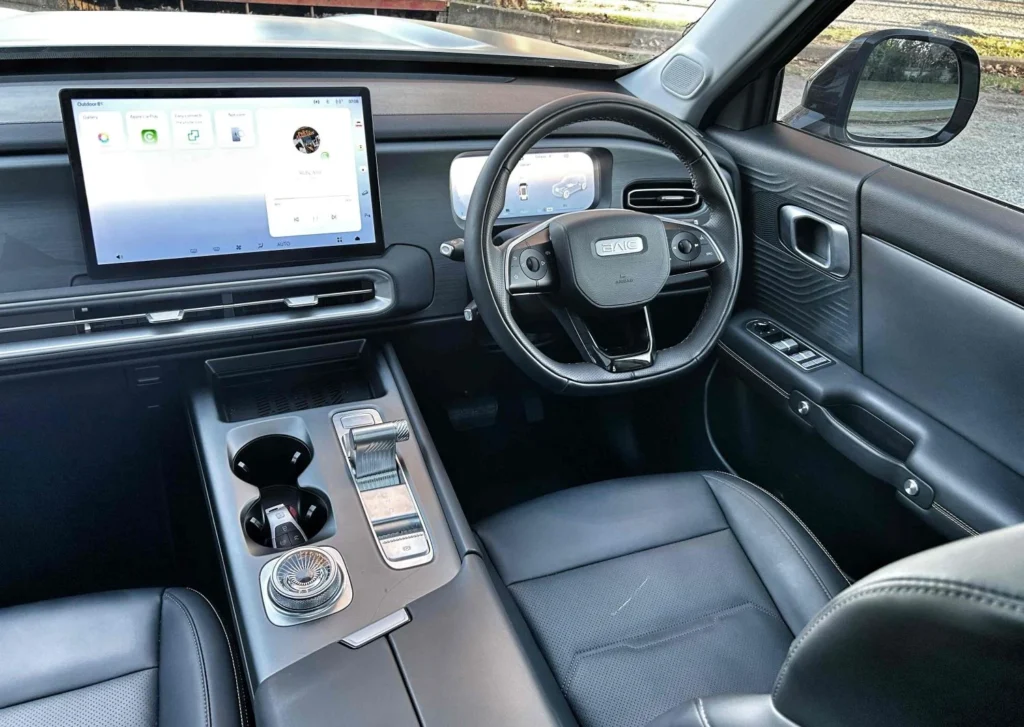
Inside, the cabin is minimalistic, plush and well-finished in black leather with contrast stitching, satin chrome and soft-touch materials. A standout detail is the aviation-inspired centre console, complete with a throttle-style gear lever and a turbine fan-like rotary drive mode selector that gives the interior a genuinely premium feel.
The Premium trim brings a generous standard specification that includes a 14.6-inch infotainment system with an eight-speaker sound system, wireless Apple CarPlay and Android Auto, a 10.25-inch digital instrument cluster, wireless charging, a 360-degree camera system, keyless entry, push-button start, an electric tailgate, a panoramic sunroof and heated and ventilated front seats.
Boot space stands at 450 litres, covered by a hard lid that can fold flat to double as a camp table. BAIC claims that with all seats folded, a double bed mattress fits inside the cabin, making the B30e a surprisingly practical option for impromptu camping trips.
The biggest criticism of the interior is the infotainment screen’s sluggish response times across all functions, from climate control adjustments to track selection and reverse camera activation. It is a notable frustration in an otherwise well-executed cabin and one that BAIC would do well to address through a software update.
Power comes from a self-charging hybrid setup combining a 1.5-litre turbocharged petrol engine, a 1.67kWh battery pack and two electric motors. BAIC quotes a combined system output of 301kW and 685Nm of torque sent to all four wheels through a Dedicated Hybrid Transmission, along with a 0 to 100km/h sprint time of 6.9 seconds. However, the B30e does not feel as potent as those numbers suggest in everyday driving.
Drive mode options include Eco, Comfort and Sport, while the all-wheel drive system adds Snow, Mud, Sand and Wading modes for those who venture off the tar. There is no low-range transfer case, but an electronic limited-slip differential and off-road hill-descent control are on hand for tougher terrain.
Where the B30e genuinely impressed was at the fuel pump. BAIC claims 6.45 litres per 100 kilometres, and during the week-long test the SUV averaged 7.2 litres per 100 kilometres, with some short city trips returning as low as six litres per 100 kilometres. For a large and heavy SUV, those figures are genuinely commendable.
One minor quirk was the artificial electric soundtrack the B30e produces when running purely on electric power, described as something straight out of Star Trek, and not necessarily in a good way.