


Mbabane – The Executive Director of one of the world’s largest folk art museums will take the stage in Mbabane on Wednesday evening to deliver the keynote address at the Freedom 250 event hosted by the United States Embassy in Eswatini at the Eswatini Theatre Club.
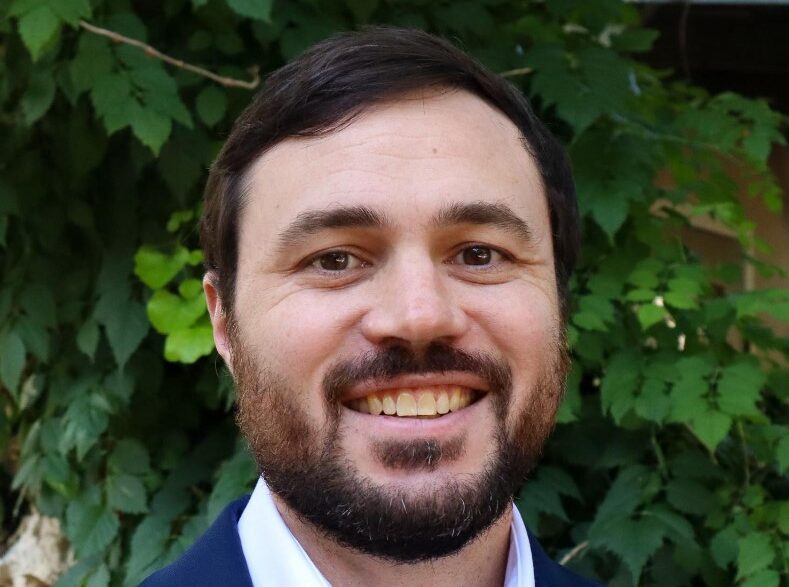
Charlie Lockwood, who heads the Museum of International Folk Art in Santa Fe, New Mexico, brings with him a background in folklore, ethnomusicology, music performance and arts administration. The museum he oversees holds a collection of more than 163,000 folk art objects from over 120 countries, making it the largest collection of international folk art anywhere in the world. The museum is part of the New Mexico Department of Cultural Affairs, which runs eight museums and eight historic sites, forming the largest public state-run museum system in the United States.
Speaking to Swazi24 ahead of Wednesday’s event, Lockwood said his address will draw on success stories from the United States around supporting, celebrating and sustaining cultural heritage, with a view to sharing models that could have relevance for Eswatini. 
“In my lecture I will show examples and success stories from the United States around supporting, celebrating, and sustaining cultural heritage, and highlight models that might have applicability in Eswatini,” he said.
On the importance of cultural heritage to national identity, Lockwood was direct.
“When cultural heritage, including folk and traditional arts are embraced and supported, communities feel a sense of pride, belonging, and meaningful participation in both local and national life. Cultural heritage can be thought of as the spirit of a people, when it finds a platform for expression that spirit can infuse a national identity and character.”
Asked what Eswatini and Africa more broadly could learn from the American approach to cultural preservation, Lockwood pointed to the importance of initiative at every level of society.
“In the United States efforts to build capacity in cultural heritage preservation happen and are supported at many levels from the individual and their communities, to institutions large and small. In the US, people are creative and take initiative to find or imagine new avenues that help foster cultural expression and facilitate its development.”
For young creatives and entrepreneurs in Eswatini, Lockwood sees significant opportunity, particularly given the global momentum African music is currently enjoying.
“African music in particular is having a monumental, record-breaking global breakthrough right now. Driven by streaming music platforms and social media, sounds from the African continent are high on the charts and even shaping pop culture around the world. Cultural festivals, heritage tourism, and the global entertainment and media landscape are providing new platforms for people with something to say to find an audience.”
He did, however, urge those looking to tap into new global markets to proceed with care.
“I would encourage these industries to approach new global markets with an understanding of the need for respect and reciprocity.”
Lockwood said he hopes Wednesday’s attendees leave the evening feeling motivated to keep going and to work more closely with one another.
“From the event I hope that attendees will be inspired to continue the work they are already doing, embrace creative ideas, and recognize how they might work together to realize common goals. It is my belief that creative arts, folk and traditional arts, and cultural heritage efforts are most successful when they work together within an overall ecosystem. Each piece is important, but only in working together can they have true long-term, sustainable potential.”
The Freedom 250 event at the Eswatini Theatre Club starts on Wednesday, 27 May 2026.