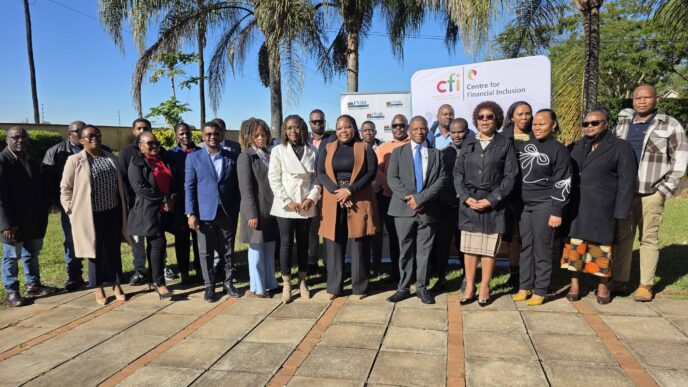



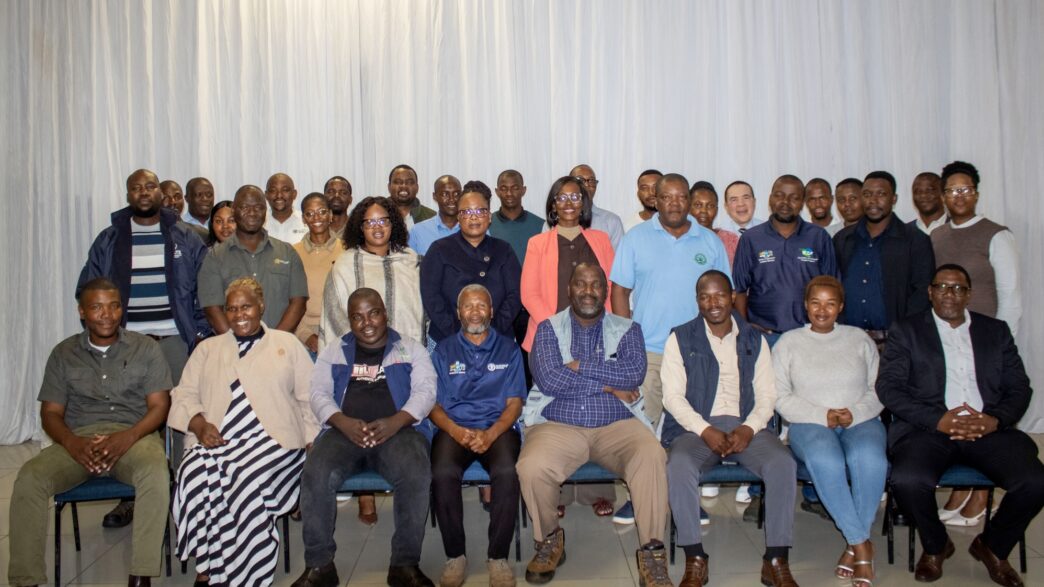
Manzini – The Ministry of Agriculture brought together key players in the banana and coffee value chains in Manzini on Wednesday to validate Sector Development Plan Agreements aimed at boosting production, improving livelihoods and attracting investment in both sectors.
The gathering, supported by the Food and Agriculture Organisation of the United Nations, formed part of a broader effort by the government to strengthen Eswatini’s agrifood systems and ensure smallholder farmers are not left behind.
The Government of Eswatini regards coffee as a strategic agribusiness venture with the potential to create jobs and improve the economic wellbeing of smallholder farmers. Despite growth in the sector, recurring market imbalances and uneven income distribution among market players continue to threaten the livelihoods of small-scale producers. 
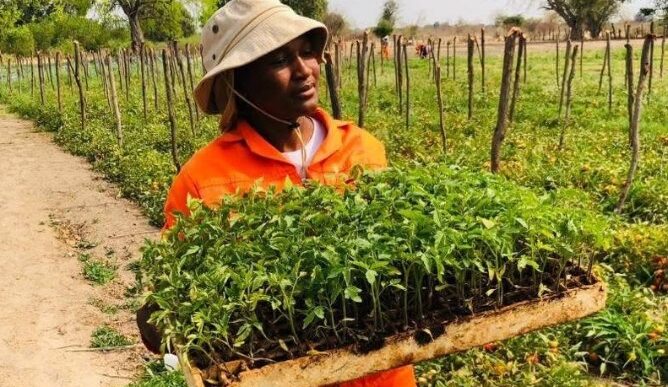
Key recommendations emerging from the coffee industry’s Sector Development Plan Agreement centre on four areas. On production, stakeholders agreed on the need to increase productivity and invest in irrigation infrastructure. On seedling supply, the plan calls for developing and improving the capacity of existing nurseries while establishing new ones to strengthen linkages in the value chain. On extension services, the focus is on better production and market collaboration and coordination. On access to finance, the plan recommends developing suitable financial products and policy actions to ensure quality control in seedling production.
The Ministry of Agriculture, through FAO’s support, has developed 12 Sector Development Plan Agreements in total, and the validation of the coffee and banana value chain plans marks a significant step toward improving production, marketing and investment across several sectors.
The project falls under the programme titled “Supporting accelerated implementation of food systems transformation pathways in Eswatini.”
The validation workshop created space for dialogue between farmers, private sector actors, financial institutions and policymakers, with the contributions made reinforcing the shared commitment between the Ministry of Agriculture and FAO to build an evidence-based framework that supports smallholders in production, productivity and investment.