

A tense meeting between South African President Cyril Ramaphosa and former US President Donald Trump nearly collapsed over claims of a so-called white genocide, according to South Africa’s Minister of International Relations, Ronald Lamola.
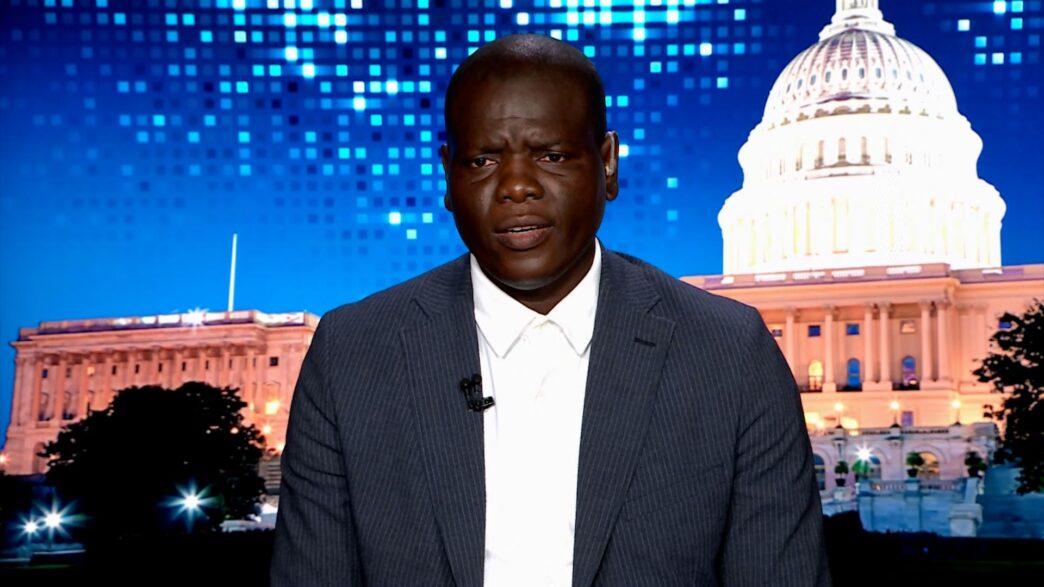
Speaking in an interview with CNN’s Christiane Amanpour on Thursday, Lamola revealed that South Africa made a “strategic decision” to keep the bilateral talks on track, despite Trump confronting Ramaphosa with unverified claims and video footage of Economic Freedom Fighters (EFF) leader Julius Malema calling for violence against white farmers.
The meeting, which took place on Wednesday, began on friendly terms. However, it quickly turned when Trump introduced graphic videos and a stack of documents to support his allegation of widespread killings of white South African farmers – a claim that South African authorities have repeatedly dismissed as false. 
Lamola explained that the South African delegation had to choose between letting the meeting derail over what he called a “non-existing issue” or using the opportunity to stabilise relations. He said the government’s goal was to reset its diplomatic relationship with Washington, especially under Trump’s administration.
Ramaphosa reportedly stayed composed during the confrontation and calmly refuted Trump’s claims. Trump had presented a viral video of Malema chanting the controversial “Kill the Boer” struggle song, which Lamola clarified carries historical context rather than incitement to violence.
WATCH Ronald Lamola chatting to CNN anchor Christiane Amanpour
"South Africa belongs to all who live in it. It's united in our diversity. But the constitution is also very clear that there must be transformation in our country." @RonaldLamola tells me "we had to take a strategic decision whether we wanted the meeting to collapse on the basis… pic.twitter.com/H4e9Q3n9rj
— Christiane Amanpour (@amanpour) May 22, 2025
“The government’s position is clear,” Lamola said. “Malema is not part of the Government of National Unity, and that song is not government policy. South Africa’s policies are grounded in constitutional transformation and inclusive nation-building.”
During the CNN interview, Amanpour noted that Trump’s aides may have exaggerated the significance of the video and failed to conduct thorough fact-checking. Lamola backed that view, pointing out that Trump had handed Ramaphosa documents that weren’t even related to South Africa.
Lamola further explained that transformation laws – including those related to land expropriation – are aimed at addressing the legacies of apartheid and inequality, not targeting any racial group.
Following the meeting, Ramaphosa told journalists that Trump appeared open to discussion, saying he was “not convinced” by the genocide narrative even after sharing videos and press reports.
Ramaphosa later urged the international community to engage with actual South African voices rather than propaganda.