



Pretoria – South Africa’s Department of Home Affairs (DHA) is set to demonstrate a new Electronic Travel Authorisation (ETA) system tomorrow, aimed at combating corruption and improving efficiency in visa processing. The move comes as part of a broader push to digitise operations and apply artificial intelligence (AI) to secure the country’s borders.
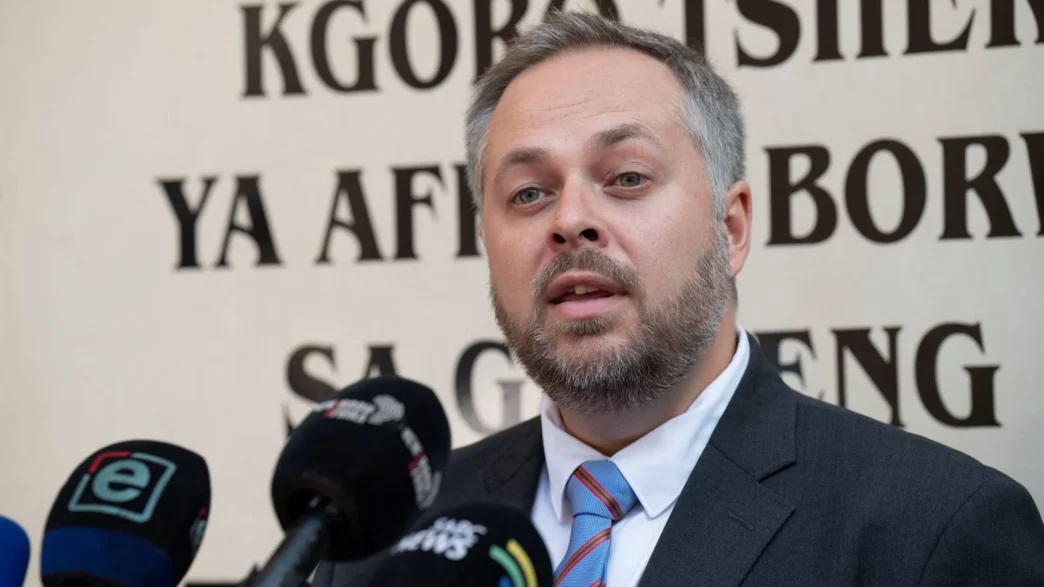
Home Affairs Minister Dr Leon Schreiber noted that loopholes in the current system allowed 95 Libyan nationals to enter the country illegally with falsified documents, highlighting the need for reform. “In 2024, in the age of AI, it is unacceptable that outdated paper-based processes could be manipulated to grant access to our country,” he said.
The ETA will automate visa applications and approvals, following the model used by the South African Revenue Service, which uses AI to cross-check taxpayer data with banks, medical aids, and employers. Applicants will submit their details online, scan passports, take selfies, and provide other required information. Machine learning will verify 40 passport features, match the selfie to the passport photo, and confirm identities at ports of entry, reducing human interference and corruption. 
The first phase of the ETA will cover short-term tourist visas, with plans to expand to all visa categories over time. The system is scheduled to launch by the end of September 2025, with economists projecting benefits for tourism, investment, and competitiveness.
In addition, the DHA is upgrading passport security to close gaps exploited by syndicates through insufficient biometric checks. Partnerships with banks including Capitec, FNB, Absa, TymeBank, and Standard Bank will allow South Africans to apply for smart IDs at branches, with future plans to enable applications via banking apps.
Experts caution, however, that AI itself can be exploited for fraud. A TransUnion report found that deepfake scams and AI-powered impersonation have surged globally, with video deepfakes doubling and audio-based scams rising from 37% to 49% year-on-year. Amritha Reddy, senior director at TransUnion Africa, stressed that AI-powered defences are essential to counter increasingly sophisticated fraud targeting businesses, governments, and individuals.

