


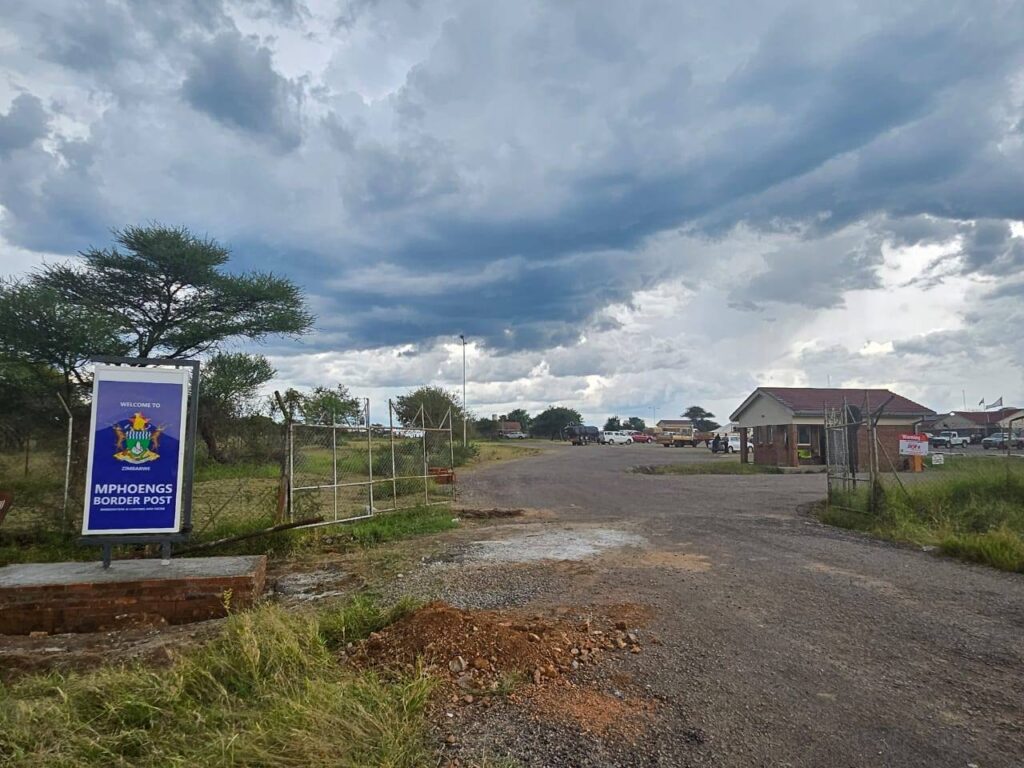
Zimbabwe has commissioned an upgraded Mphoengs Border Post following a USD20,000 refurbishment led by the Department of Immigration, aimed at strengthening border infrastructure and improving service delivery at one of the country’s entry points into Botswana.
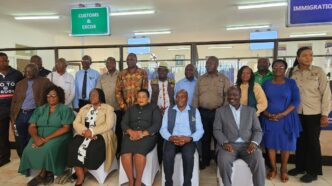
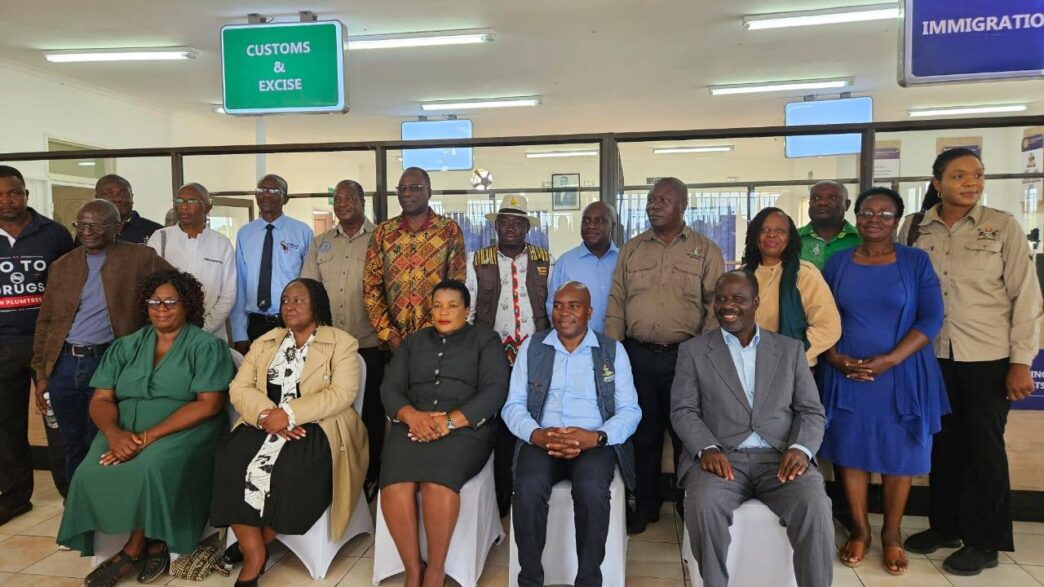
The commissioning ceremony took place on Sunday, April 19, 2026, with Deputy Minister of Home Affairs and Cultural Heritage Chido Sanyatwe officiating. Government officials, border agencies, local communities and regional partners, including representatives from the Botswana Unified Revenue Service and Botswana Immigration, attended the event.
Located about 96 kilometres south-east of Plumtree in Mangwe District, Matabeleland South Province, the border post was established in 1998 as a satellite facility serving communities on both sides of the Zimbabwe and Botswana border. It underwent an earlier phase of modernisation in 2003, two years after the establishment of the Zimbabwe Revenue Authority, as part of initial efforts to improve basic infrastructure and operations. 
The latest refurbishment was comprehensive. The roof, which was near collapse, was replaced entirely. The building received an internal facelift that included ceiling installations, new lighting systems, fresh tiling and improved branding. New signage and billboards were installed to improve navigation within the port, and the building was repainted throughout.
The Immigration hall was redesigned with partitioned cubicles to streamline the processing of travellers, and an electronic gate was installed specifically for e-passport holders. ZIMRA’s customs counter was also upgraded as part of the broader modernisation effort.
ZIMRA Station Manager Mr. Eric Maguranyanga said the upgrade would make a real difference to how the border post operates. “This upgrade enhances processing speed, supports smoother movement of travellers and strengthens service delivery in line with evolving border management systems,” he said.
Deputy Minister Sanyatwe commended stakeholders and local communities for their support, noting that collaboration remains key to strengthening border infrastructure across the country.
Local traditional leader Chief Sangulube used the occasion to urge the government to consider flexible arrangements for communities with family ties straddling the Zimbabwe and Botswana border.
Further improvements are still planned, including the construction of a dedicated search bay to improve inspections, particularly during the rainy season.