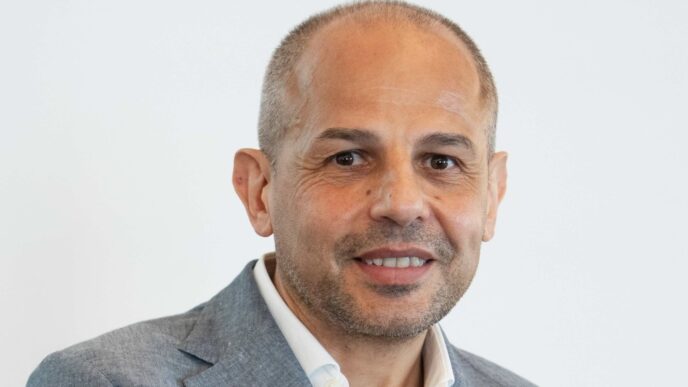




Ondo, Nigeria – A researcher and engineer specialising in renewable energy systems will make the case for bio-energy as the most promising solution to rural electrification challenges when he speaks at the Energies 3.0 Conference, a virtual international event running from April 22 to 24, 2026.
The conference, organised by the Green Institute of Nigeria, runs daily from 10:00 AM to 4:00 PM online. Registration is open at www.greeninstitute.ng/energies2026.
Mr. Darlington Eze Ekechukwu, a Chartered Engineer holding an MSc, MBA and multiple professional memberships including MEI, MIPowerE, PMI and FIMC, is currently affiliated with both the University of East London and the Federal University of Technology Owerri in Nigeria. His research covers renewable energy systems, carbon capture, sustainable energy technologies, machine learning applications in energy projects and financing models for clean energy adoption. He also works as an international project and operations engineer focused on net-zero targets and energy optimisation. 
Asked what innovative energy solution holds the greatest promise for rural electrification in Nigeria and similar settings, Ekechukwu pointed directly to bio-energy.
“Bio-Energy is the innovative energy solution that holds the greatest promise for rural electrification in Nigeria, and the context is simply in the development of mini and scalable digester systems with enormous potentials, but at the very least provide them with fuel for heating application and digestate to fertilise their farms,” he said.
The argument carries weight for Eswatini, where a significant portion of the population in rural constituencies such as Shiselweni and Lubombo still lacks reliable access to electricity and where agricultural communities could benefit from integrated energy and farming solutions of the kind Ekechukwu describes.
On how universities and local communities can work together more effectively to drive energy transitions from the ground up, Ekechukwu said the focus must be on practical, accessible projects.
“The Academia and local communities collaborate more effectively to address energy poverty, by disseminating up to date technological informations driving energy transition process, with a focus on delivering easy to develop projects like Bio-Digester, arming them with the right operational process, which will help deliver tangibles like, job creations within rural communities, reduced energy bills, emissions reductions and enhanced process efficiency by promoting more research and development of the system,” he said.