

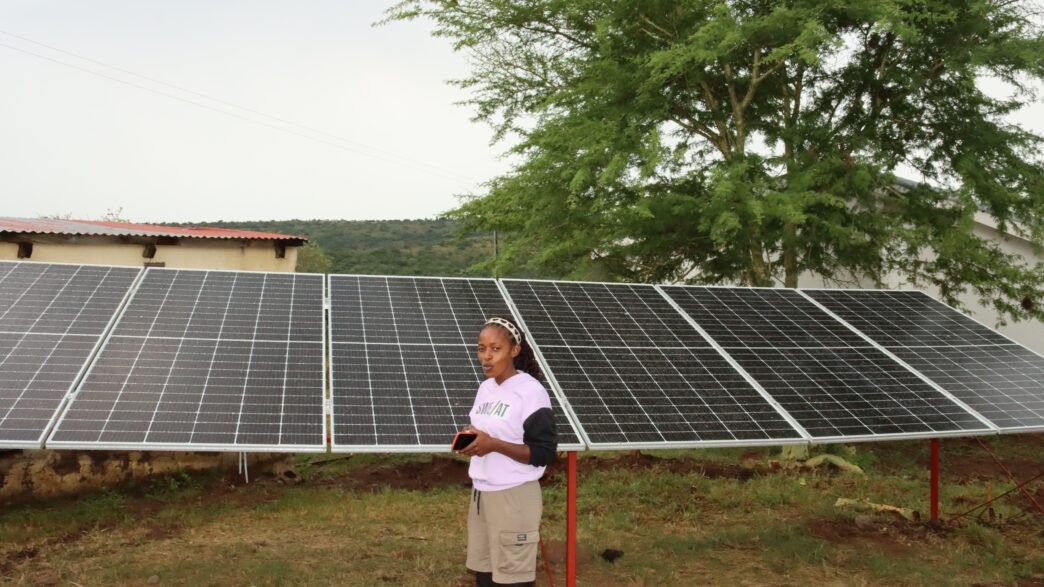
Mbabane – For small business owners across Eswatini, the cost of energy is not just an inconvenience but a daily battle that determines whether a business survives or shuts its doors.
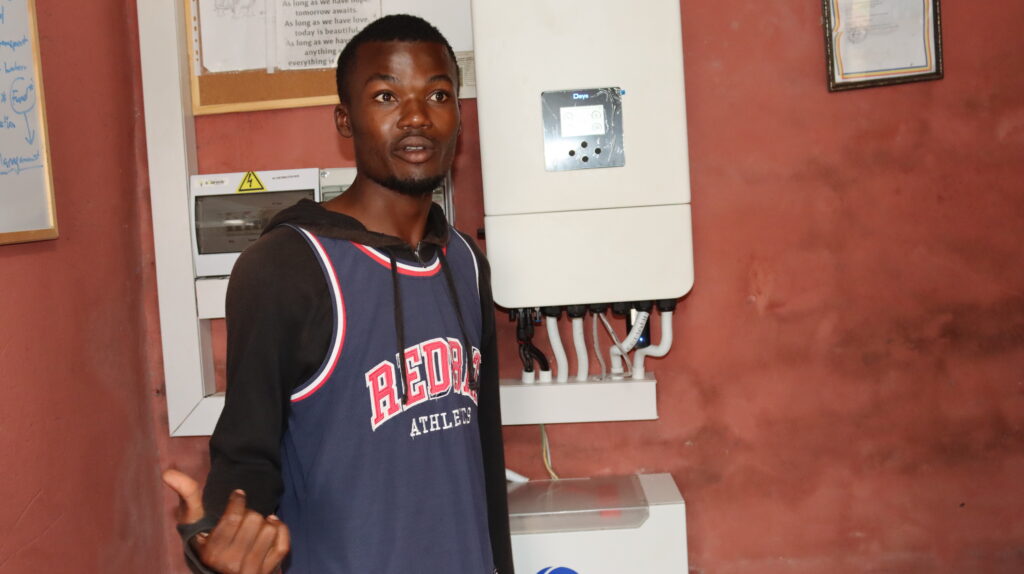
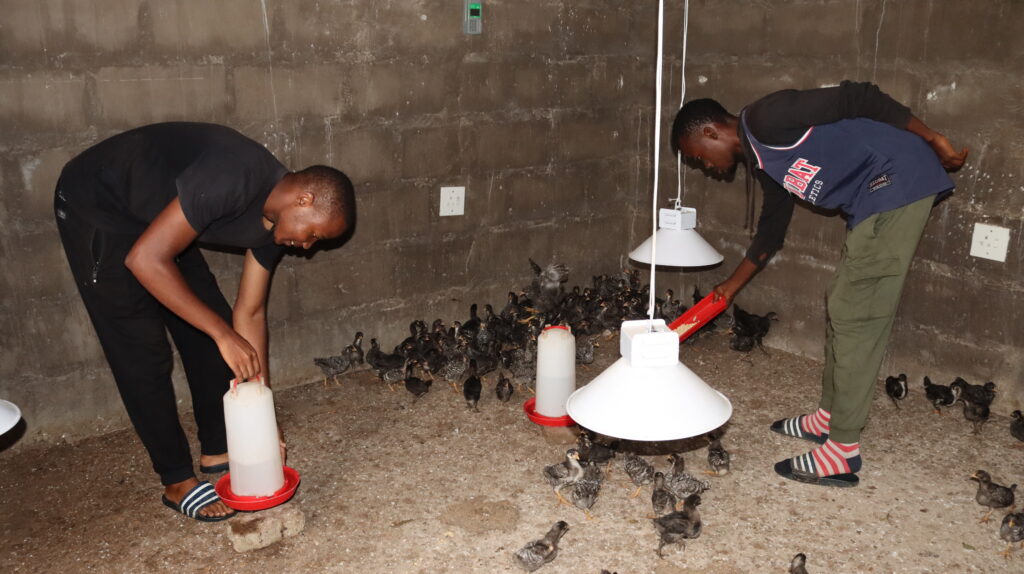
At Mhlumeni in the Lubombo Region, about an hour and a half’s drive from Manzini, 24-year-old Ayanda Shongwe runs an indigenous chicken hatchery. Keeping chicks alive during cold days and nights requires constant heating, costing him about E500 per day for at least a week. Running his incubator adds another E500 over a 21-day cycle.
UNDP Eswatini/Mantoe Phakathi
Shongwe started his business in 2023 with support from a German-funded grant that helped him construct his facility and acquire equipment. By 2025, he had stocked his hatchery with high-quality indigenous breeds to meet growing demand. 
“People from my community and across the country who want to start or expand indigenous chicken projects are my main clients,” he said. “But I’ve noticed that many customers are now more interested in buying meat than chicks.”
UNDP Eswatini/Mantoe Phakathi
Expanding into meat production would require more energy, a cost Shongwe cannot absorb.
Further south at Kontshingila in the Shiselweni Region, Thembisile Mafu faces a similar struggle. A yellow maize, sugar bean and vegetable farmer who established her business in 2022, she relies on petrol-powered irrigation, spending around E2,000 per month. The cost is so high that she can only cultivate half of her 1.5-hectare field.
“Petrol prices keep rising, and I know fossil fuels also contribute to climate change,” she said.
UNDP Eswatini/Mantoe Phakathi
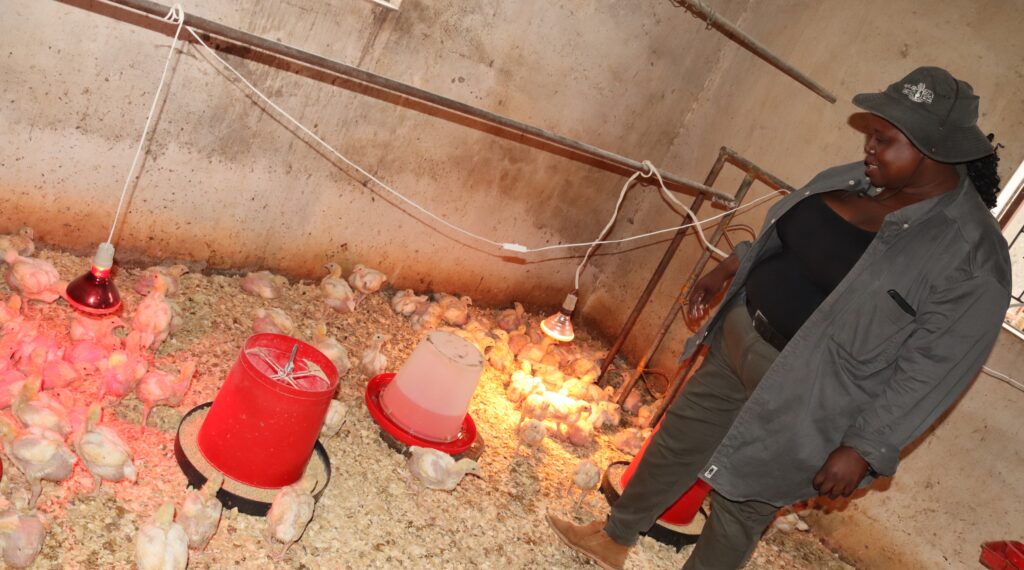
Thembisile started her business with a E10,000 loan from Taiwan’s International Cooperation and Development Fund, complemented by seedlings and training from the Eswatini Farmers Union. She now supplies vegetables to the National Agricultural Marketing Board and beans and maize to local buyers. She also produces up to 300 broiler chickens per cycle, but heating them with infrared lights adds more than E2,000 per cycle to her energy bill.
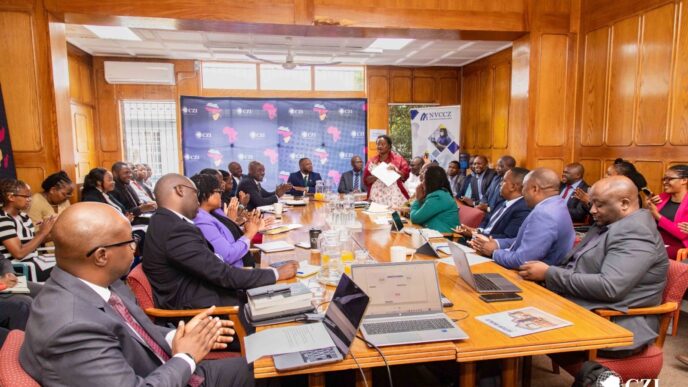
Relief is now within reach for both entrepreneurs. Shongwe and Mafu are among 17 MSMEs supported through the UNDP-led Joint Programme, Igniting Eswatini’s Green Engine: Empowering MSMEs for a Just Energy Transition, implemented in partnership with the World Food Programme. The two-year initiative is co-funded by the Joint SDG Fund, brokered by the United Nations Resident Coordinator’s Office, and WFP and UNDP.
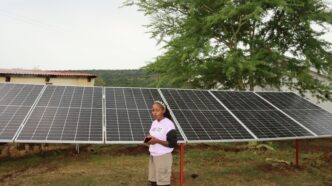
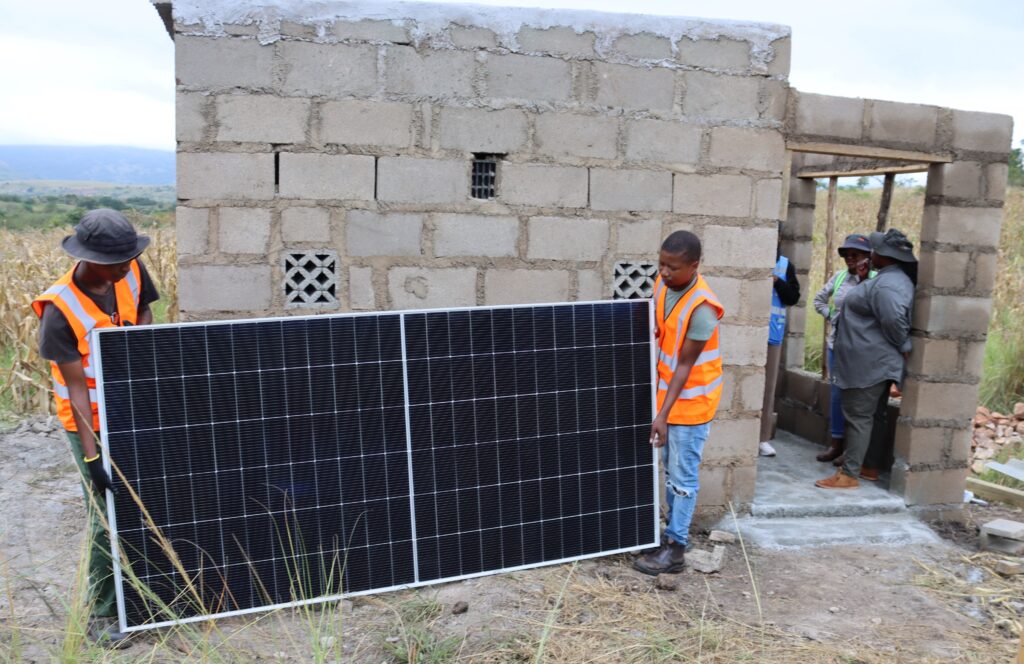
Under the project, participating businesses are receiving solar photovoltaic systems to replace expensive and volatile energy sources. A solar system has already been installed at Shongwe’s hatchery to power his incubator and heating equipment, while Mafu is receiving a solar-powered irrigation and poultry heating system expected to unlock her full production potential.
UNDP Eswatini/Mantoe Phakathi
The programme also extends beyond individual businesses. Under WFP’s component, solar energy is being introduced for lighting, cooking and irrigation in 12 schools and 11 neighbourhood care points, replacing firewood dependency with electric pressure cookers and biogas systems.
The initiative was shared as Eswatini joined the world in marking International Mother Earth Day on April 22 under the theme “Our Power, Our Planet,” with organisers saying the energy transition must work for everyone, especially those most constrained.