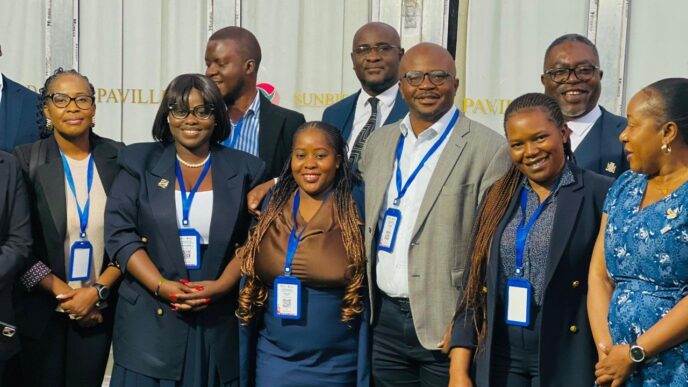


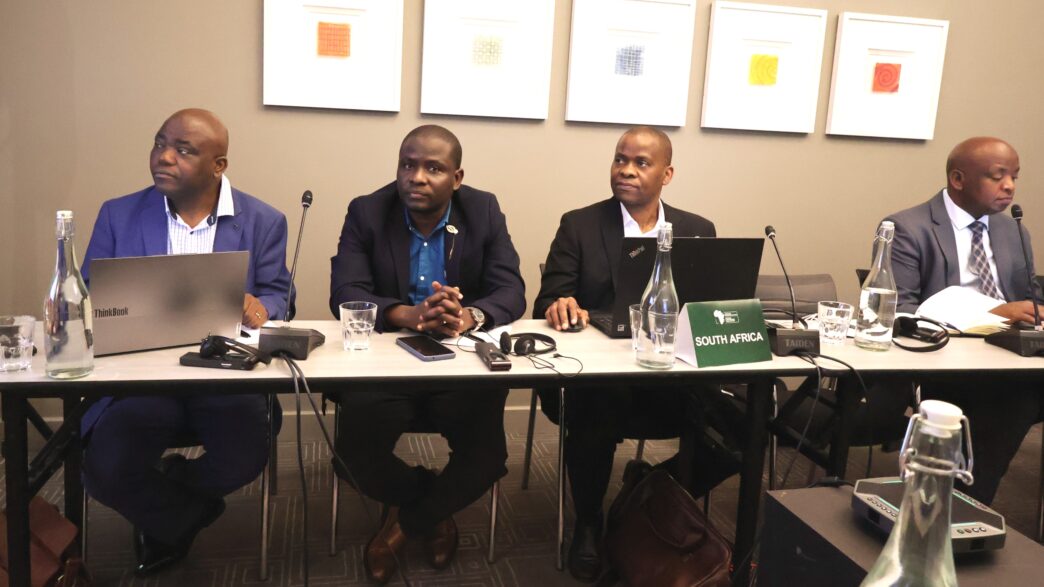
Pretoria – Lesotho has become the first country on the continent to start putting into practice a framework for taxing high-net-worth individuals, as the African Tax Administration Forum holds its Technical Committee Meetings in Pretoria this week with over 60 experts from 15 countries in attendance.
The move follows the release of the ATAF Guide on Effective Taxation of High-Net-Worth Individuals in Africa, one of the first major outputs of ATAF’s Direct Tax Technical Committee. ATAF has been working with Lesotho to develop a draft compliance framework for wealthy taxpayers, an implementation roadmap and strategies to strengthen compliance and grow domestic revenue.
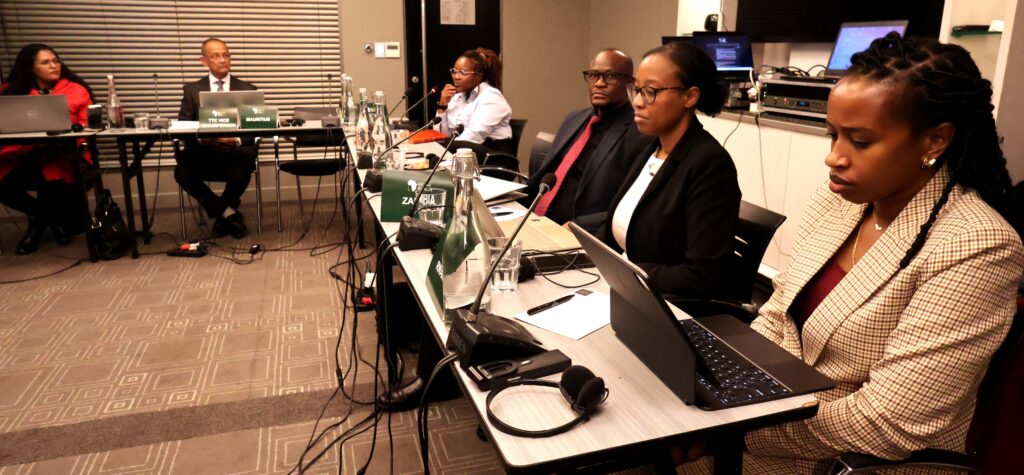
The Direct Tax Technical Committee is one of five committees gathered in Pretoria this week. Its current discussions cover the digital economy, tax incentives, gaming and betting, taxation of non-governmental organisations and rental income taxation, all areas where African tax authorities are under growing pressure to modernise their approaches. 
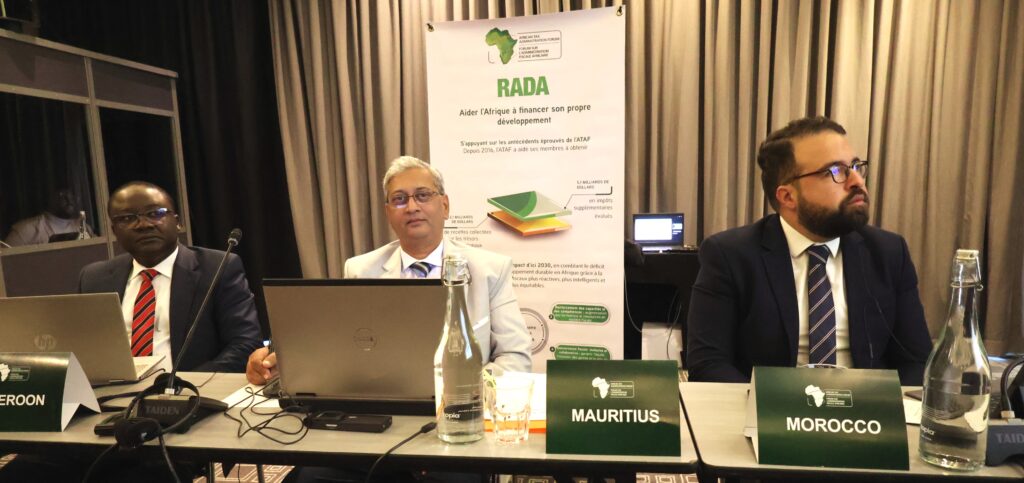
The other committees in session deal with indirect tax, tax administration, cross-border taxation and exchange of information. Together they are producing toolkits, guidelines and technical solutions designed to strengthen compliance, improve transparency and support domestic revenue mobilisation across the continent.
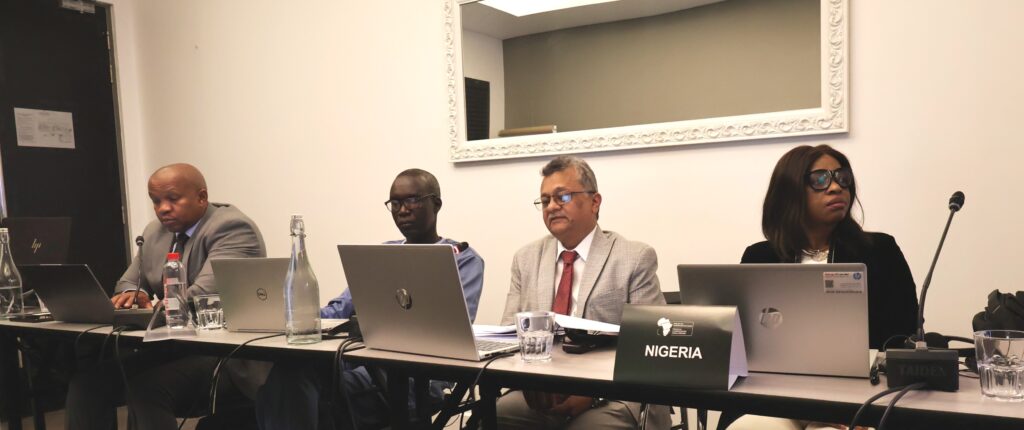
A key development being presented at the meetings is the ATAF Automatic Exchange of Information IT System, built jointly with the Zambia Revenue Authority and the World Bank Group. The system was designed specifically for African tax administrations and handles the reciprocal exchange of Common Reporting Standard, FATCA, Crypto-Asset Reporting Framework and Country-by-Country Reporting data, all meeting CTS 3.0 standards.
The platform’s features include financial institutions onboarding, automated validation, compliance monitoring, country report preparation, secure OECD CTS transmission and real-time reporting dashboards. ATAF says the next step is piloting the system with a tax administration, which it describes as a major milestone towards making the Africa-built solution fully operational.
The Uganda Revenue Authority, the Mauritius Revenue Authority and the Nigeria Revenue Service were acknowledged for their technical guidance and support throughout the process.