

Saldanha, South Africa – Transnet SOC Ltd has begun testing and commissioning a new tippler at the Saldanha Iron Ore Terminal in South Africa’s Western Cape, marking a major milestone in a R4 billion infrastructure expansion project at what is considered Africa’s largest iron ore export facility.
The terminal, which handles approximately 96% of South Africa’s iron ore exports, is also celebrating 50 years of operation in 2026, having exported its first shipment of iron ore in 1976. Estimated throughput over that period stands at 1.3 billion tons.
The new tippler, a heavy-duty industrial machine used to empty iron ore rail wagons, forms part of a broader infrastructure package that includes a new Eskom substation, a 1.7-kilometre conveyor system, heavy-haul rail infrastructure, road bridges, conveyor tunnels, gantry cranes, dust management systems, high-mast lighting, fibre-optic and control system integration, and associated power infrastructure. 
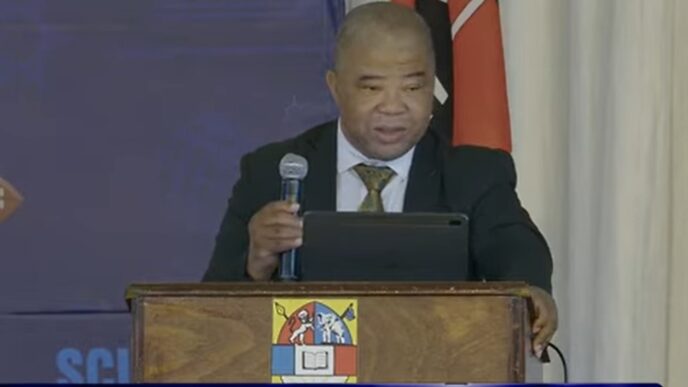
Chief Executive of Transnet Port Terminals Jabu Mdaki said the start of testing and commissioning marked an important stage in a project that had required extensive collaboration across all Transnet operating divisions, customers, regulators, contractors and project teams. “As we celebrate 50 years of the Saldanha Iron Ore Terminal, it is fitting that we do so while advancing one of the most significant infrastructure investments undertaken at the terminal and positioning this strategic export corridor for the future,” he said.
The project forms part of Transnet’s Reinvent for Growth strategy, which focuses on replacing ageing equipment and infrastructure across its port terminals to increase export capacity. It achieved an estimated 45% local content contribution across various work packages and supported around 1,500 jobs during peak construction.
Commissioning is expected to conclude within the next two months, with the new tippler set to be handed over to operations in September 2026.
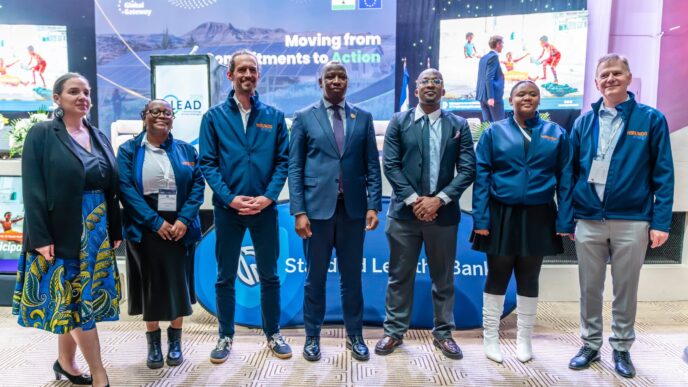
The celebratory event was attended by the Transnet board and executive members, customers, government representatives, industry stakeholders and project partners.
For Eswatini, developments at Saldanha carry indirect but real economic significance. The Kingdom’s mining sector, including iron ore producers, relies on South African port and rail infrastructure to move exports to global markets, making the upgrade to the Saldanha corridor relevant to the broader regional export economy.