


Ezulwini – The Eswatini Revenue Service (ERS) has begun a structured engagement process with the wholesale and retail sector on the ERS e-Invoicing Solution, a new digital system that will support more transparent, accurate and efficient VAT administration.
The engagement, held with representatives from the wholesale and retail industry both in person and online via livestream, forms part of ERS’s commitment to preparing taxpayers for the changes that will come with the introduction of e-Invoicing.
The session brought together business owners, tax practitioners and industry stakeholders to discuss how the solution will work, the legal framework supporting it, implementation timelines and the support ERS will provide throughout the transition. 
The wholesale and retail sector is one of the most important sectors in the VAT environment because of the high volume of daily transactions it processes and its direct interaction with consumers. Through the e-Invoicing Solution, ERS aims to strengthen the recording, verification and submission of transaction level fiscal data, while supporting a fairer and more compliant business environment.
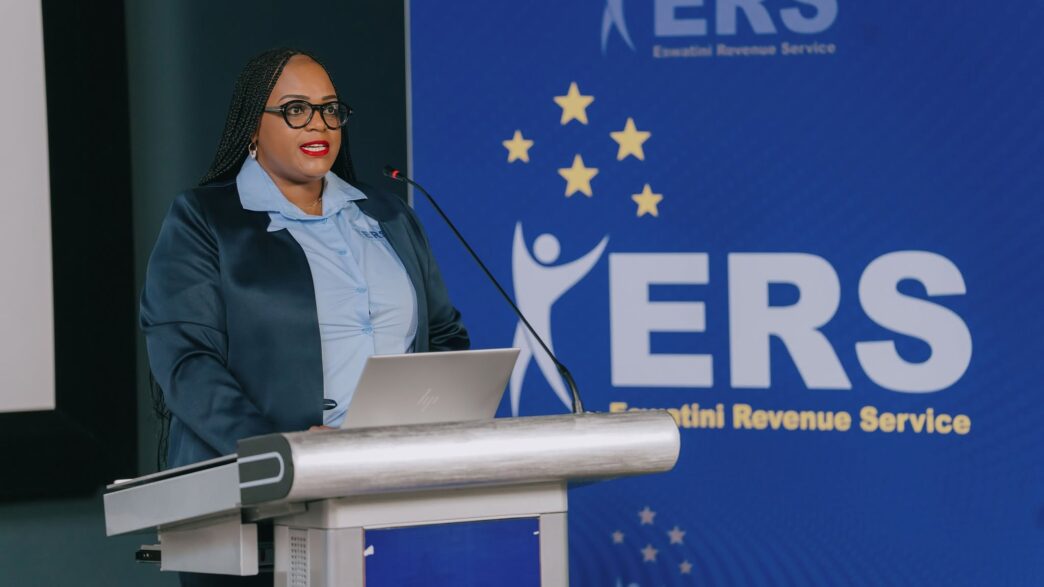
Speaking during the engagement, ERS Head of Domestic Revenue Pearl Muir-Dlamini thanked the industry for participating and said the session was the beginning of a longer journey between ERS and its clients.
“The wholesale and retail sector is a key client base for Domestic Revenue, and we recognise the important role this industry plays in the economy and in VAT administration. This engagement is the first of many. We are not here to speak to our clients once and leave them to navigate the change alone. ERS will walk this journey with businesses by providing information, guidance, practical support and opportunities for feedback as we prepare for the implementation of the e-Invoicing Solution,” said Muir-Dlamini.
The engagement included a fiscalisation overview, which unpacked the proposed ecosystem and the role of different players, including manufacturers, distributors, suppliers, businesses and ERS.
The system is expected to enable businesses to issue fiscal invoices through approved devices or systems, with secure transmission of relevant fiscal data to ERS. Businesses may connect approved devices to their point of sale systems, while vendors and suppliers will play a key role in providing accredited solutions and first level support.
ERS also outlined the benefits of the e-Invoicing Solution for taxpayers. These include a fairer compliance environment, improved transparency, reduced underreporting and fraud, easier audits, better record keeping and a reduced compliance burden over time. By ensuring that proper receipts and invoices are issued, the system will help protect compliant businesses from unfair competition by those who do not declare transactions correctly.
The legal framework supporting the e-Invoicing Solution was also presented, with a focus on amendments to the VAT framework that recognise electronic fiscal documents and fiscal data. The proposed approach provides for the electronic issuance of tax invoices, fiscal receipts, credit notes and debit notes, as well as the use of verification codes, digital signatures, security features and secure digital audit trails.
ERS explained that the implementation will take a phased approach. Following the official launch of the fiscalisation project in May 2026, the current phase focuses on inception, solution blueprints and stakeholder engagement. This will be followed by initial capacity building, including onboarding, training and published guidance.
Around October 2026, ERS is targeting vendor onboarding and a broader taxpayer awareness campaign, with final acceptance and go live readiness planned for the first cohort of clients towards the end of the year.
A key part of the roadmap will be vendor accreditation and client enrolment. ERS indicated that interested vendors will be guided through the accreditation process, and accredited vendors will be published on ERS platforms to help businesses identify approved suppliers. Taxpayers will also receive process orientation, user friendly guides, informative videos and pre go live support.
The session concluded with a question and answer discussion, allowing industry representatives to raise practical questions on system readiness, point of sale integration, timelines, legal requirements and support. ERS noted that feedback from the sector will be important in shaping communication, training and support as implementation progresses.